

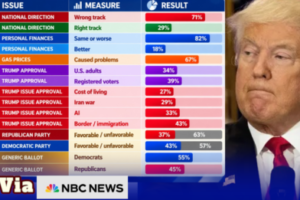




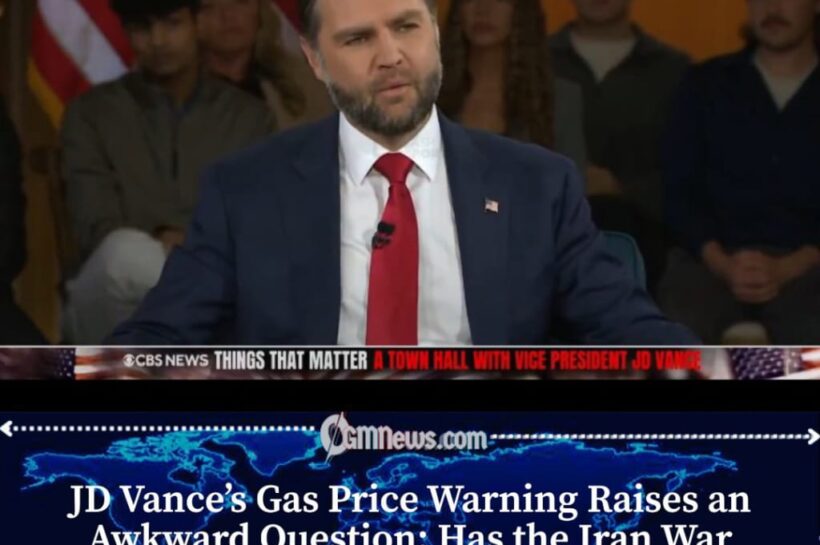






Vice President JD Vance has delivered a warning about the potential cost of leaving Iran in control of shipping through the Strait of Hormuz, saying Americans would pay more for gasoline if the United States simply withdrew. The statement has reignited a difficult question for the Trump administration: if the strategic waterway was open before the war, why has securing reliable passage become such a major challenge? The situation has created an uncomfortable political debate in which the government must explain not only the purpose of the military campaign but also its consequences for ordinary consumers.
The timing is particularly striking. Before the conflict began on February 28, 2026, the Strait of Hormuz was an established international shipping route through which approximately 130 ships passed daily. Since the war began, maritime traffic has been severely disrupted, attacks on vessels have increased, and Iran has gained significant leverage over passage. A Congressional Research Service report documented this contrast, giving critics a substantial factual basis for questioning whether the military strategy has delivered the intended results.
The Strait of Hormuz: From Open Shipping Route to Global Economic Headache
Vance’s warning highlights a genuine concern: the Strait of Hormuz is one of the world’s most important energy chokepoints, carrying roughly one-fifth of global oil and liquefied natural gas trade under normal conditions. Disruptions there can raise shipping costs, threaten supply, and push up fuel prices far beyond the Middle East. According to recent reporting, the conflict has sharply reduced oil flows and left energy markets vulnerable to further shocks. The waterway is no longer merely a military talking point; it is a matter of household budgets, transport costs, and economic stability.
Here comes the political irony. Critics argue that the route was open before the war, while the conflict has transformed it into a major security problem. In satirical terms, the public is being warned that leaving the scene of a crisis could make the bill even larger, even as citizens ask whether the intervention helped create the conditions that now demand an expensive response. That argument does not, by itself, prove that the war empowered Iran in every military respect, but Iran’s ability to threaten shipping and use access to the strait as negotiating leverage has become a serious strategic concern.
Vance’s Warning and the Question of Strategic Success
Vance has argued that an American withdrawal would leave Iran better positioned to restrict shipping and drive up gasoline prices. The administration’s position is that continued pressure and naval protection are necessary to prevent Tehran from choking off global energy supplies. The warning is not an admission that the United States has lost the war; rather, it reveals how costly and difficult the challenge of restoring secure maritime traffic has become. Yet it leaves a question that critics will not easily abandon: if military action was intended to reduce Iran’s capacity to threaten shipping, why does Washington still have to warn that the threat could become worse if American forces leave?
The debate is not simply about political blame. Recent developments show that Iran has continued to exert pressure on shipping, while diplomatic efforts to reopen the strait remain unresolved. Tehran has renewed a proposal for reopening the waterway within seven days, subject to conditions that include changes to the US blockade and sanctions. Meanwhile, President Donald J. Trump’s administration faces the challenge of protecting navigation without allowing the conflict to impose an indefinite economic burden on consumers. Every warning about higher gasoline prices is therefore also a reminder that military objectives, diplomatic negotiations, and economic consequences remain tightly connected.
For OGM News, the central question is whether the strategy will ultimately deliver a safer and more reliable Strait of Hormuz—or leave the United States managing a crisis that has become more expensive and more complicated than expected. Vance’s remarks have placed that question firmly back in the spotlight, but the full judgment must depend on verifiable outcomes rather than political slogans. Watch OGM News for further updates on the Iran conflict, the future of the Strait of Hormuz, and what the continuing struggle could mean for global energy prices.
Hi,how are you