



























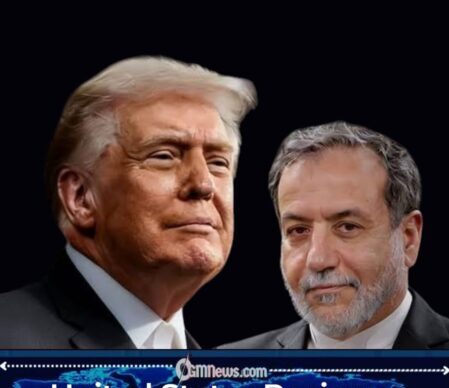
United States officials are reviewing a new proposal from Iran that aims to reopen the Strait of Hormuz, end the ongoing conflict, and postpone discussions on Tehran’s nuclear program. The offer, reportedly delivered through indirect diplomatic channels, represents a notable attempt to break the current stalemate and shift the focus toward immediate de-escalation rather than long-term disputes.
The proposal outlines a phased approach in which hostilities would first be reduced or halted, followed by the restoration of maritime traffic through one of the world’s most strategically significant waterways. More complex and sensitive issues, such as nuclear negotiations, would be addressed at a later stage under a separate framework.
The US policymakers are now tasked with carefully evaluating whether such a proposal aligns with broader strategic goals, especially those tied to regional stability, security assurances, and nuclear non-proliferation efforts.
The Strategic Importance of the Strait
United States interests in the Strait of Hormuz are deeply rooted in its critical role in global energy supply chains. This narrow passage serves as a vital corridor for a large percentage of the world’s oil exports, making its stability essential for both economic and geopolitical reasons.
Disruptions in this region often lead to immediate and far-reaching consequences, including sharp fluctuations in global oil prices and increased uncertainty in financial markets. Such instability can affect economies far beyond the Middle East, highlighting the interconnected nature of global energy systems.
Ensuring the safe and consistent flow of resources through the strait is therefore not just a regional concern but a global priority, one that heavily influences diplomatic decision-making.
The US and Diplomatic Calculations
United States officials are likely to approach Iran’s proposal with a measured and cautious strategy, weighing the immediate benefits of reducing tensions against the potential risks of delaying nuclear discussions. The balance between short-term stability and long-term security objectives remains a central consideration.
United States leadership has consistently emphasized that any comprehensive agreement must address nuclear concerns, which are viewed as fundamental to preventing future escalation and ensuring lasting peace in the region.
The US decision-makers must therefore determine whether accepting a phased approach could weaken their negotiating leverage or create opportunities for renewed diplomatic engagement under more favorable conditions.
Regional Dynamics and Mediation Efforts
United States engagement in the situation has often relied on indirect communication channels, with intermediary nations playing a significant role in facilitating dialogue between Washington and Tehran. These mediators help bridge gaps that might otherwise prevent meaningful discussion.
Such diplomatic arrangements reflect the complexity of modern international relations, where direct negotiations are not always feasible, and multiple actors contribute to shaping outcomes.
The involvement of regional partners may also influence the structure and reception of proposals, adding another layer of complexity to the negotiation process.
United States and Global Reactions
The US allies and global observers are closely monitoring the proposal, recognizing its potential implications for both regional stability and international diplomacy. Reactions have varied, with some viewing the offer as a pragmatic step toward de-escalation and others expressing concern about unresolved issues.
Different countries may interpret the proposal through the lens of their own strategic interests, leading to a range of perspectives on its viability and potential impact.
The US responses will likely play a significant role in shaping how other nations approach the situation, reinforcing the country’s influence in global affairs.
Economic Stakes and Strategic Timing
United States economic considerations are deeply intertwined with developments in the Strait of Hormuz, particularly given its importance to global oil markets and trade flows. Any disruption or restoration of activity in the region can have immediate economic consequences.
United States analysts emphasize that reopening the strait could provide relief to strained markets, potentially stabilizing prices and restoring confidence among investors and policymakers.
United States leaders must carefully assess the timing and terms of any agreement, ensuring that economic benefits are balanced with security priorities and long-term strategic goals.


[…] […]