

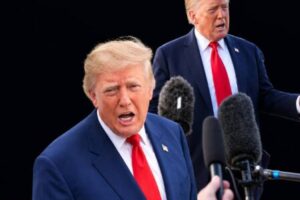
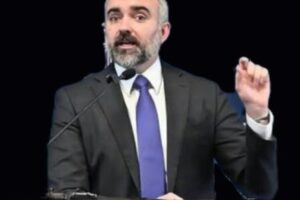









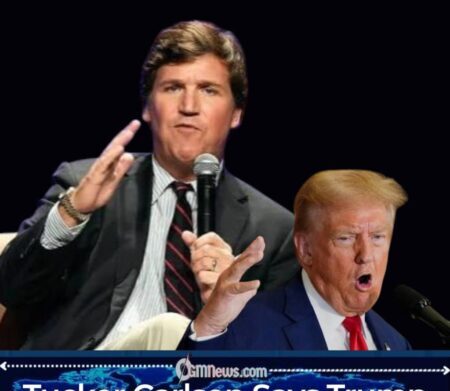
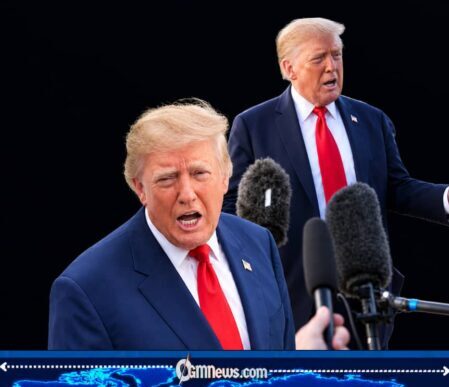
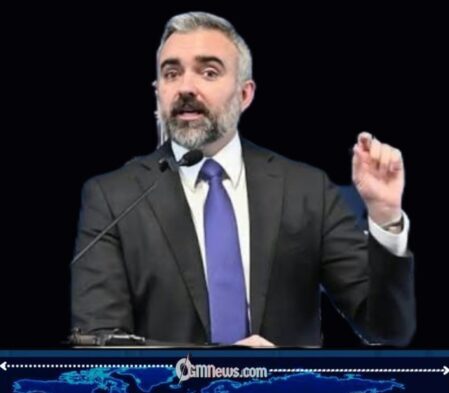
Tucker Carlson has sharply criticized President Donald Trump, claiming that in a single statement, he effectively “gave the finger” to the world’s two largest religions. The remark has sparked widespread debate, drawing attention to the intersection of political rhetoric and religious sensitivity on a global scale.
The statement in question has not only ignited reactions within the United States but has also reverberated internationally, where religious communities closely monitor how global leaders address issues of faith and respect. Carlson’s framing of the situation has amplified the controversy, placing it at the center of political discourse.
Observers note that comments involving religion often carry heightened sensitivity, particularly when they are perceived as dismissive or provocative. The response to this incident reflects the complex relationship between politics and belief systems.
Tucker Carlson and the Broader Media Reaction
Tucker Carlson expanded on his criticism by emphasizing the potential consequences of such rhetoric, arguing that statements perceived as offensive could deepen divisions both domestically and internationally. His comments have been widely circulated, contributing to the broader conversation.
Media outlets and commentators have offered varying interpretations of the situation, with some supporting Carlson’s perspective while others argue that the statement has been taken out of context. The diversity of opinions highlights the polarized nature of contemporary discourse.
The role of media figures in shaping narratives has become increasingly significant, as their interpretations can influence public perception and reaction.
Political Implications and Reactions
Tucker Carlson’s remarks have added another dimension to ongoing debates about political communication and its impact on diverse audiences. Political leaders often face scrutiny for how their words are interpreted across different cultural and religious contexts.
Supporters of the president have defended the statement, suggesting that it reflects a broader policy stance rather than an attack on religious groups. Critics, however, argue that the language used matters as much as the policy itself.
The incident underscores the importance of messaging in politics, where even a single statement can have far-reaching consequences.
Tucker Carlson and Religious Sensitivities
Tucker Carlson highlighted the potential impact of the statement on religious communities, noting that such comments can be perceived as dismissive or disrespectful. His critique centers on the idea that leaders should be mindful of the diverse beliefs held by people around the world.
Religious leaders and organizations have responded in various ways, with some calling for clarification and others urging restraint in public discourse. The reactions demonstrate the sensitivity of the issue.
Balancing political expression with respect for religious diversity remains a challenge for leaders operating on a global stage.
Global Context and Diplomatic Considerations
Tucker Carlson’s framing of the issue has also brought attention to its potential diplomatic implications, as statements involving religion can influence international relationships. Governments often consider how rhetoric may affect alliances and cooperation.
In a globalized world, communication from prominent figures is quickly amplified, making it essential to consider its broader impact.
The situation highlights the interconnected nature of politics, media, and religion in shaping global narratives.
Tucker Carlson indicated that the controversy may continue to evolve, depending on how both the president and other leaders respond. Public discourse is likely to remain active as new perspectives emerge.
The incident serves as a reminder of the power of words in shaping opinion and influencing relationships across different communities.
Ultimately, the discussion reflects ongoing debates about leadership, communication, and the responsibilities that come with a global platform.

Logging in is a breeze and the site stability is amazing even during peak hours....