




















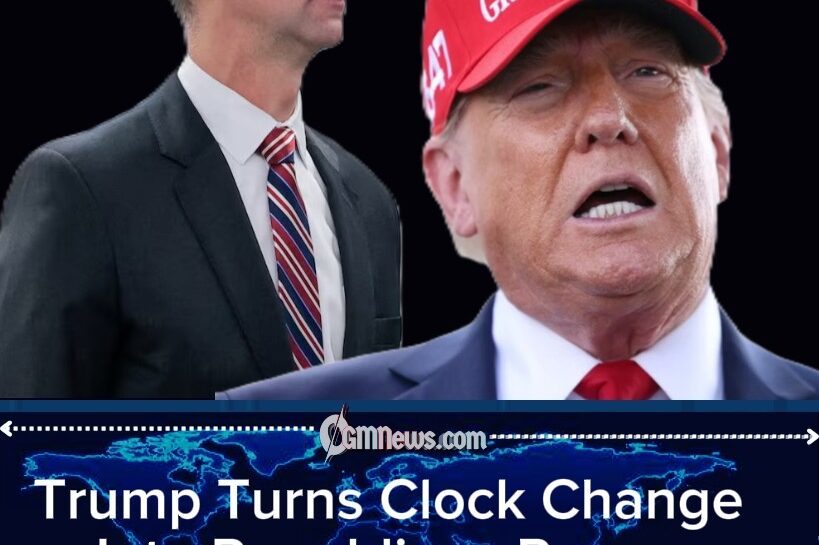
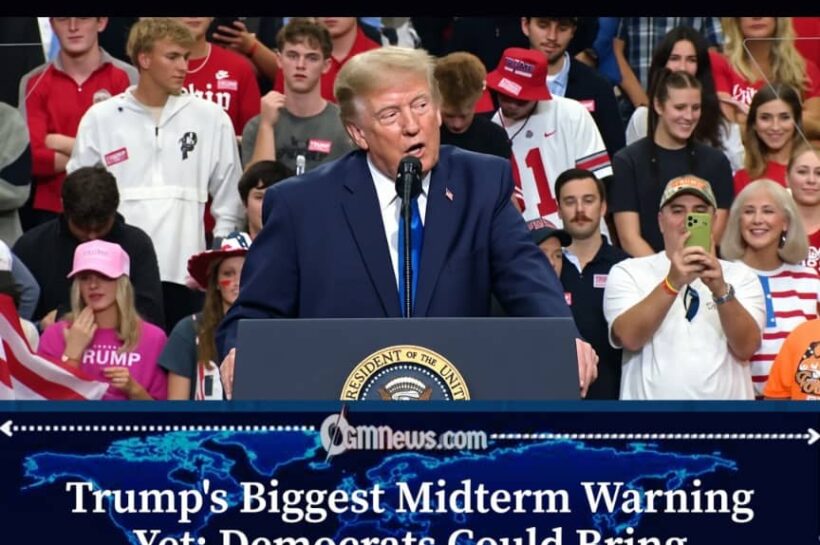
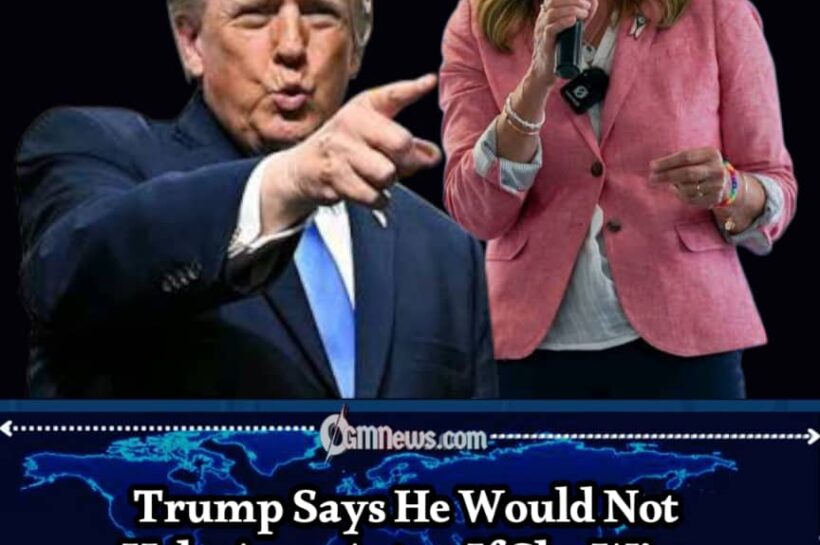



The White House has ignited another fierce political and economic debate after current President Donald J. Trump announced a fresh round of tariffs affecting imports from more than 80 countries. The administration says the measures are aimed at nations that allegedly failed to adequately prevent goods produced through forced labor from entering global supply chains. While supporters argue the move strengthens America’s trade position, critics from both political parties have questioned its timing, fairness, and likely impact on household budgets. In true Washington fashion, the tariff battle has become less about shipping containers and more about political fireworks, with everyone claiming to be protecting American wallets while simultaneously pointing fingers across the aisle.
Tariffs Return to Centre Stage as Political Tempers Rise
According to the Trump administration, the new tariffs replace an earlier 10% global duty and are intended to pressure countries into enforcing stronger restrictions against forced labor. Officials insist the policy demonstrates America’s commitment to fair trade and responsible international commerce. However, several Democratic lawmakers argue that the justification is inconsistent, noting that countries with vastly different labor records are facing similar tariff treatment.
In satirical fashion, Washington appeared to transform into a giant supermarket checkout where every political leader argued over who placed the extra items in the shopping cart. Democrats described the tariffs as a nationwide “sales tax” likely to increase prices for consumers, while administration officials maintained that the long-term benefits would outweigh any temporary economic discomfort. As usual, economists reached for spreadsheets while politicians reached for microphones.
Allies Raise Eyebrows While Global Partners Push Back
The political drama did not stop with opposition lawmakers. Reports indicate that some Republican allies privately expressed concern that discussions about new tariffs could distract from efforts to improve affordability for American families. Behind closed doors, some reportedly worried that any policy perceived as increasing consumer costs could become difficult to defend politically, particularly as inflation and household expenses remain major concerns.
International reaction has also been swift. Brazil rejected claims that it failed to combat forced labor and criticised the new tariff imposed on its exports as arbitrary and unjustified. Meanwhile, Ontario Premier Doug Ford publicly complained about the unpredictability of negotiations with President Trump, suggesting that sudden policy shifts make trade discussions increasingly difficult. If international diplomacy were a reality television programme, this latest tariff episode would probably qualify as the season finale—complete with dramatic exits, surprise announcements, and plenty of unhappy contestants.
The latest tariff announcement has reopened one of the most divisive debates in American politics: whether aggressive trade measures protect domestic industries or simply increase costs for consumers. As the Trump administration defends its strategy and critics continue to challenge both its legal and economic foundations, businesses, trading partners, and American households will closely watch the next chapter. OGM News will continue monitoring developments as reactions unfold both in Washington and across the global economy.
[…] […]