




















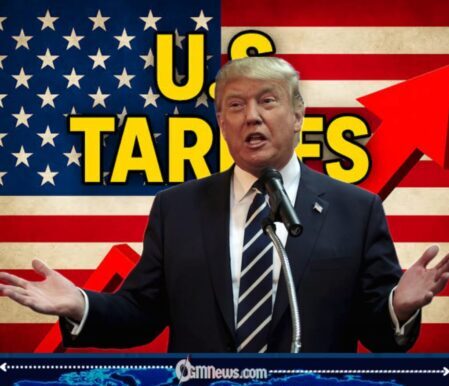
Tariffs: The global trade stage has once again been turned into a political theatre after President Donald J. Trump unveiled a fresh round of tariffs targeting more than 80 countries, citing concerns over forced labour. While the White House insists the measures are designed to protect ethical trade and American industries, many of Washington’s closest allies appear to have responded with a collective eyebrow raise. At OGM News, our sources suggest the latest tariff strategy has become less of a trade policy and more of an international guessing game, with diplomats scrambling to understand how countries boasting some of the world’s strongest labour protections suddenly found themselves on the same list.
Allies Wonder If They Accidentally Entered the Wrong Trade Meeting
The Trump administration introduced the new tariffs under Section 301 of the US Trade Act of 1974 after earlier blanket tariffs imposed in February were struck down by the US Supreme Court. Officials argue the revised duties are legally stronger because they are linked to countries allegedly failing to prevent imports made through forced labour. Yet governments across Europe, Oceania and North America have reacted with visible confusion rather than agreement.
European Union officials questioned how nations with extensive worker protections could be accused of ignoring forced labour concerns. Australia, New Zealand, Canada, Norway and Brazil also challenged the reasoning, insisting there was little evidence supporting the allegations. In classic satirical fashion, international diplomats appeared ready to submit their labour law report cards while waiting to discover whether the tariff exam had changed subjects overnight.
Trade Chess Continues as Everyone Watches the White House’s Next Move
Critics inside the United States argue the policy may be less about labour rights and more about rebuilding the tariff framework after previous measures encountered legal obstacles. Democratic lawmakers and trade experts warned that genuine concerns about forced labour should not become a convenient legal doorway for broader tariff ambitions, while former trade officials noted that the administration had spent months preparing a version more likely to survive court challenges.
Despite criticism, the White House maintains that tougher enforcement is necessary and suggests additional investigations into other economies could lead to even more tariffs in the coming months. That prospect has left businesses, investors and governments wondering whether they should prepare new trade strategies—or simply keep refreshing the latest tariff announcements every morning alongside their coffee.
The latest tariff announcement has reopened global debate over trade, legal authority and the balance between economic protection and international cooperation. Whether the forced labour justification ultimately withstands diplomatic criticism and future legal scrutiny remains to be seen. OGM News will continue monitoring developments as governments seek clarification from Washington and as further trade measures are expected to emerge in the weeks ahead.
[…] […]