








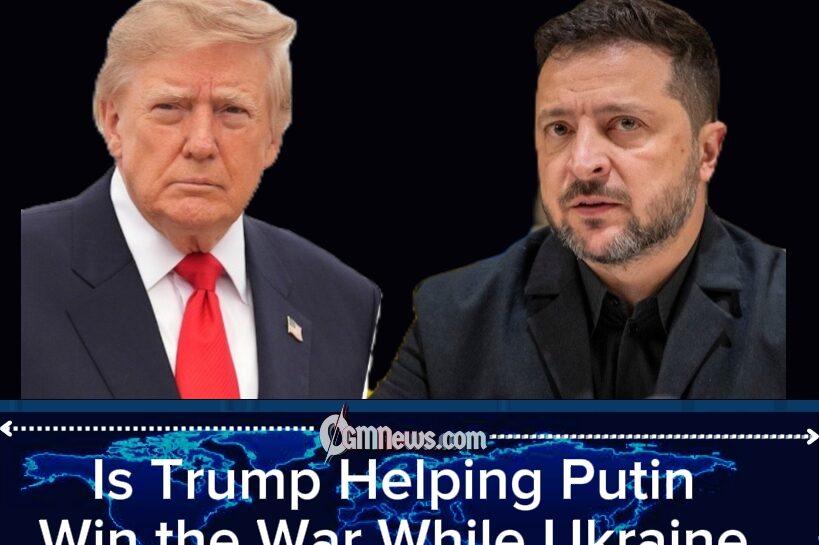







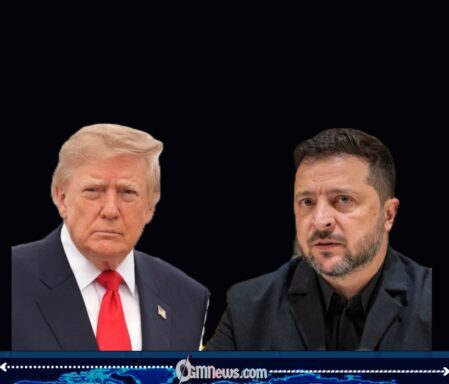
Donald Trump is once again facing intense scrutiny over his approach to Russia’s war against Ukraine, with critics arguing that his latest decisions are making life easier for Vladimir Putin while leaving Kyiv increasingly vulnerable. From restrictions affecting Ukraine’s military communications to concerns over intelligence cooperation and economic measures benefiting Moscow, the controversy has revived a difficult question for America’s allies: is the current president pursuing peace, or weakening the very country resisting Russian aggression? In the theatre of international diplomacy, Trump appears determined to keep everyone guessing—even when his actions seem to speak louder than his promises.
Starlink Restrictions and Intelligence Concerns Put Ukraine on Edge
Ukraine’s dependence on satellite communications has made systems associated with Elon Musk’s Starlink network an important part of its wartime operations. The supplied report alleges that restrictions affecting high-speed drone operations disrupted Ukraine’s ability to strike Russian targets and complicated aspects of its air defence. It further claims that the decision originated from the White House, raising serious questions about Washington’s role in Kyiv’s military calculations. If confirmed in full, such restrictions would represent more than a technological inconvenience: they could affect battlefield operations and increase the risks faced by Ukrainian personnel and civilians.
The controversy deepens with claims that Ukraine experienced Russian bombardments without the usual advance intelligence warnings from the United States. Trump has denied ending intelligence-sharing arrangements, but the reported developments have fuelled concerns about the reliability of American support. For a country fighting a much larger invading force, access to timely intelligence and dependable communications can make the difference between preparing for an attack and suffering its consequences. Critics argue that if Washington is reducing assistance while Moscow continues its offensive, the Kremlin could gain an advantage without having to win that advantage entirely on the battlefield.
Russian Oil, Putin’s Invitations and the Question of Western Unity
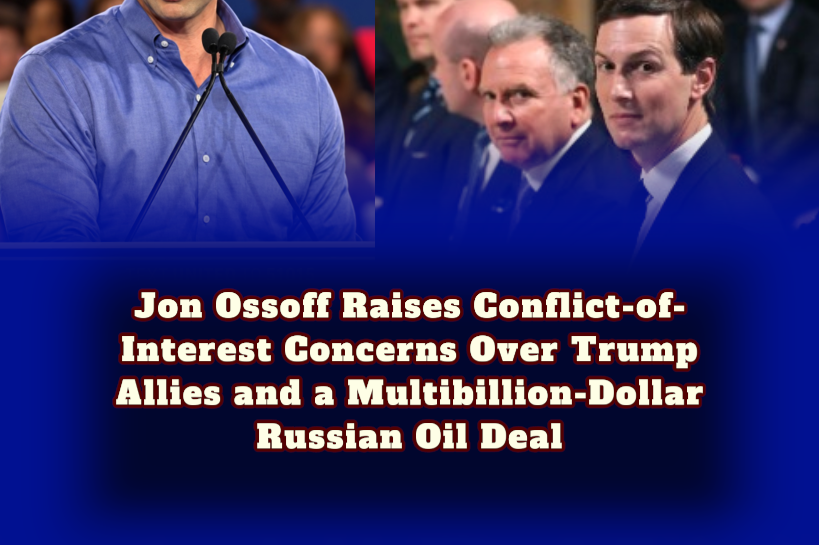
Another allegation concerns a reported arrangement involving approximately $4 billion worth of Russian diesel oil. Critics contend that such a purchase would provide Moscow with additional revenue at a time when Western sanctions are intended to restrict the resources available to sustain its war against Ukraine. The report also points to a proposed invitation for Putin to attend a December G20 meeting at one of Trump’s Florida golf properties. Taken together, these claims have intensified accusations that Washington’s policy is becoming increasingly accommodating towards the Russian president. However, the precise status and details of the alleged oil transaction and meeting invitation require independent verification before they can be treated as established facts.
The broader concern extends beyond Ukraine. European governments have spent years warning about Russian sabotage, cyber operations, intimidation and other activities below the threshold of open warfare. If America’s commitment to European security becomes uncertain, its traditional allies may have to increase military assistance to Kyiv, strengthen intelligence cooperation and prepare for a less predictable relationship with Washington. Trump’s critics fear that even a change in congressional control might not immediately reverse the direction of American foreign policy. A president facing domestic political pressure could still exercise considerable influence over diplomacy and military decisions, leaving allies to manage the consequences of decisions made in the White House.
Ultimately, the allegations surrounding Trump’s Russia policy raise questions that cannot be answered by political slogans alone. His critics see a troubling pattern that could benefit Putin and undermine Ukraine, while the administration’s explanations and the independently verifiable details of each decision remain essential to a complete assessment. The stakes extend far beyond a personal dispute between political leaders: they concern Ukrainian lives, European security and the future credibility of the Western alliance. Stay with OGM News for further updates as this developing story unfolds and more evidence emerges about Washington’s role in the war.
Hi,how are you