






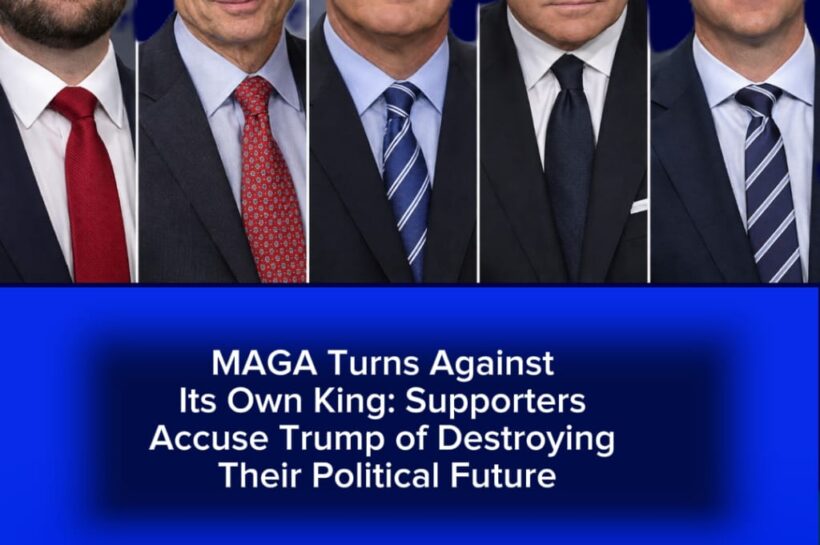

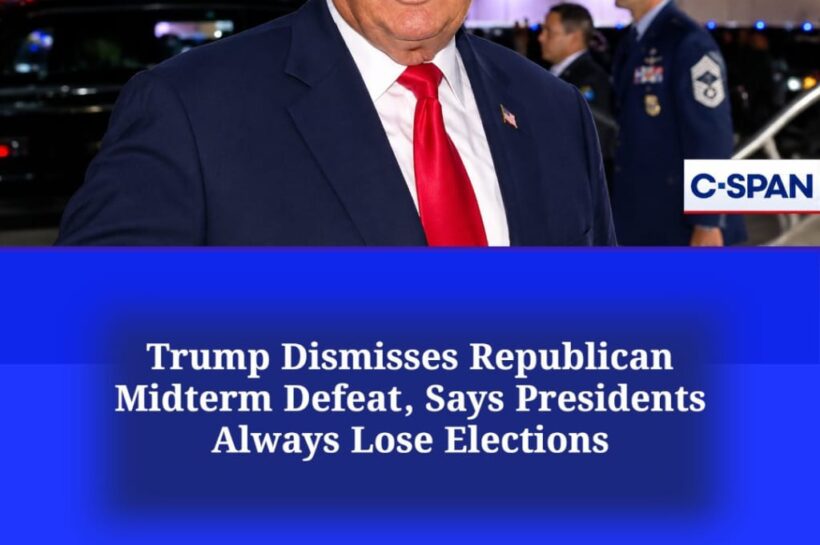
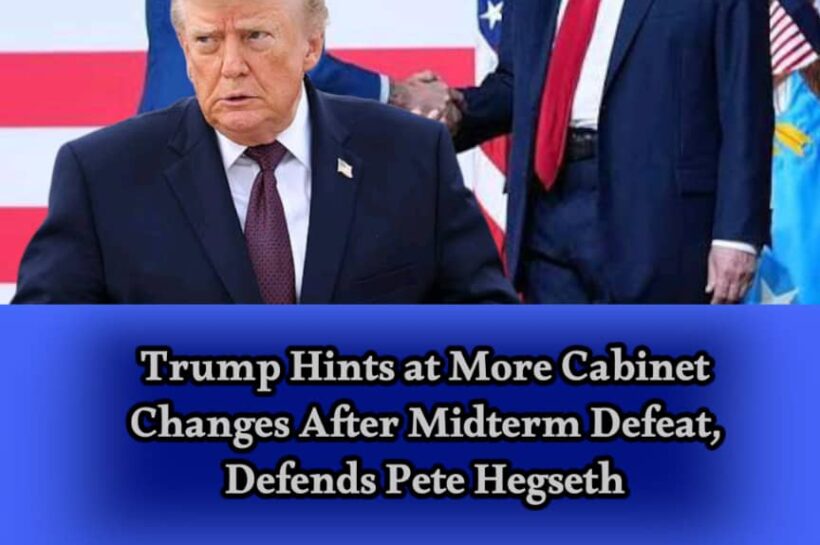
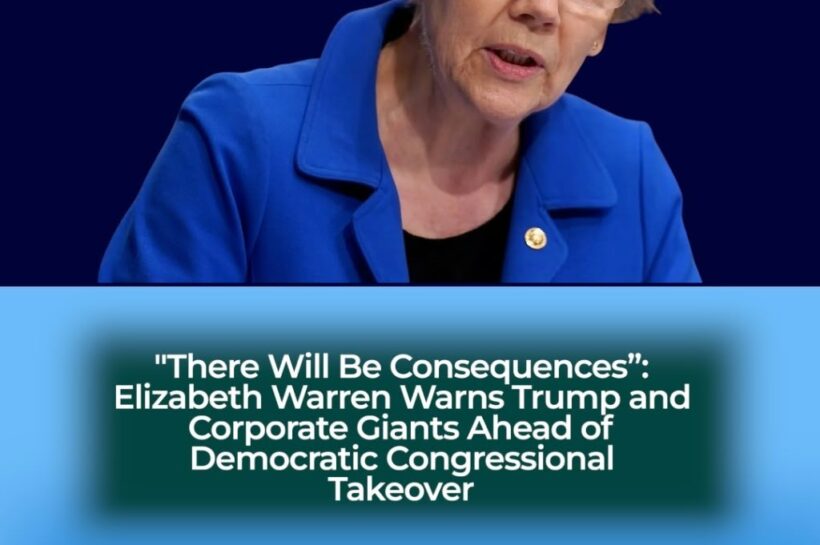





The political movement that once treated Donald Trump as its undisputed champion is suddenly facing an uncomfortable question: has the man who built MAGA also become the person threatening its survival? Following the Republicans’ devastating losses in the November 2026 midterm elections, frustration is spreading across President Trump’s political base, with some previously loyal supporters openly questioning his leadership and accusing him of costing the party electoral victories. In Dallas, where supporters had gathered hoping to celebrate Republican Senate candidate Ken Paxton, the atmosphere reportedly turned from anticipation into disappointment.
One three-time Trump voter, businessman Michael Little, captured the growing frustration with a blunt declaration: “People are pissed off at Trump. Trump has cost us.” Apparently, even the MAGA faithful are discovering that political loyalty does not necessarily come with an unlimited subscription.
FROM POLITICAL SUPERHERO TO ELECTORAL LIABILITY: MAGA SUPPORTERS BEGIN QUESTIONING TRUMP
For almost a decade, Trump has presented himself as the political figure capable of transforming American conservatism and defeating the establishment. Since his 2016 presidential campaign, MAGA has grown from a campaign slogan into a powerful political identity that has reshaped the Republican Party, influenced national debates and strengthened Trump’s influence over conservative voters.
However, the latest midterm results have exposed serious disagreements within the movement. Rising living costs, expensive fuel, the Iran war and continuing questions surrounding government transparency have reportedly contributed to voter dissatisfaction. The Republicans’ defeat has therefore become more than an ordinary electoral setback; it has triggered an uncomfortable examination of whether Trump’s political instincts are still helping the party win elections.
Interestingly, some MAGA supporters are no longer concentrating exclusively on the familiar allegations of electoral fraud that dominated their political conversations after Trump’s 2020 defeat. Instead, attention is shifting towards the administration’s economic promises, foreign policy decisions, political advisers and the president himself. An analysis of 12,850 sampled posts from a much larger collection of Trump-related online discussions found that more than one-fifth of the MAGA supporters examined expressed doubts about the movement’s leadership or direction.
Some still support MAGA but are becoming less enthusiastic about Trump personally, while others remain loyal to the president but increasingly critical of his decisions. In other words, the movement is beginning to discover that supporting an agenda and supporting the person leading it are not necessarily the same thing.
TRUMP DOUBLES DOWN AS REPUBLICANS SEARCH FOR ANSWERS
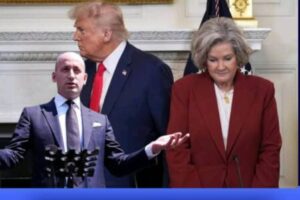
Rather than responding to the electoral defeat with an obvious change of direction, Trump has moved towards strengthening the ideological foundations of his administration. His decision to appoint Stephen Miller, the influential architect of his hardline immigration policies, as White House chief of staff, replacing Susie Wiles, has attracted considerable attention. The appointment was welcomed by some of Trump’s most committed supporters, who believe the administration should return to the uncompromising immigration and nationalist positions that originally energised MAGA.
Former Trump adviser Steve Bannon also welcomed Miller’s elevation, arguing that the movement needs to rebuild around an aggressive populist and nationalist agenda. However, critics could interpret the appointment as an indication that the president intends to respond to electoral rejection by becoming even more committed to the policies that helped generate opposition.
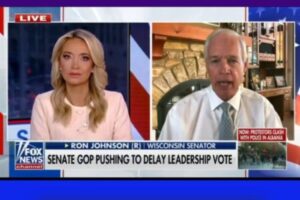
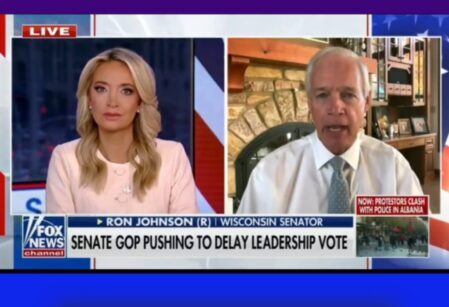
The controversy is particularly significant because Democrats emerged from the elections with control of both chambers of Congress, giving them considerable opportunities to challenge the administration’s policies and investigate its decisions. Even within Republican ranks, criticism is becoming more visible. Senator Ron Johnson of Wisconsin acknowledged concerns about corruption within government, including the Trump administration, while pointing to allegations that special interests had undermined some of the president’s promised reforms.
The White House has defended Donald’s record on health policy but has not directly addressed all the corruption concerns raised. Meanwhile, Donald has resisted the suggestion that he was responsible for the Republican defeat, insisting that the party would have won had he personally been on the ballot. That is certainly one interpretation of the results, although the voters who delivered the verdict appear to have offered a rather different assessment.
The latest Republican electoral disaster has placed the MAGA movement at a critical crossroads. While some supporters want Trump to intensify his populist agenda, others are questioning whether the movement can survive politically without being permanently tied to his leadership.
With Democrats controlling Congress, Republican disagreements becoming increasingly public and economic and foreign policy concerns continuing to generate controversy, Donald’s political influence is facing one of its most serious tests. Whether MAGA is entering a period of renewal or approaching the beginning of its decline remains uncertain. One thing is clear: the movement that once demanded unquestioning loyalty is now having to answer difficult questions about its own leadership. Stay with OGM News for further updates as this political battle unfolds.

I have been exploring different online lounges for a long time and this platform stands...