




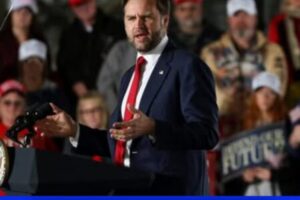
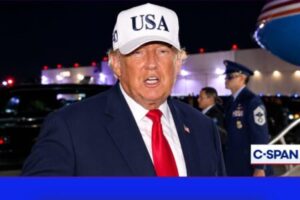
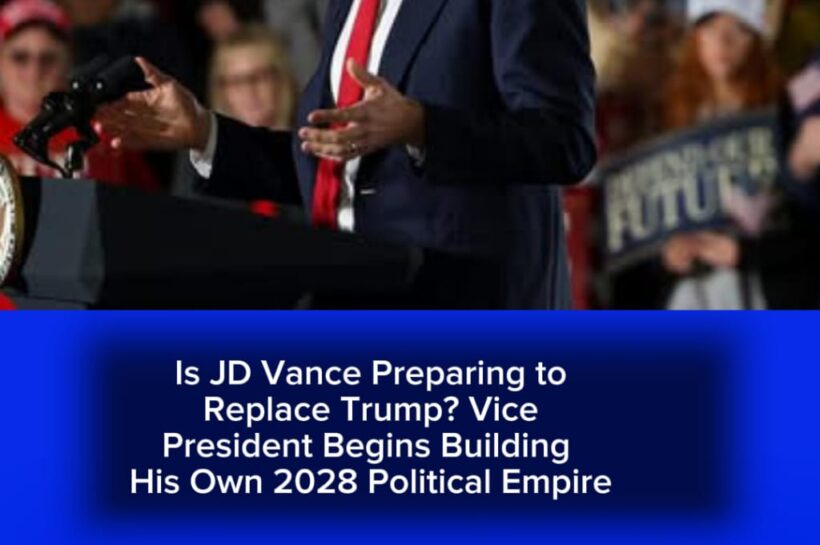
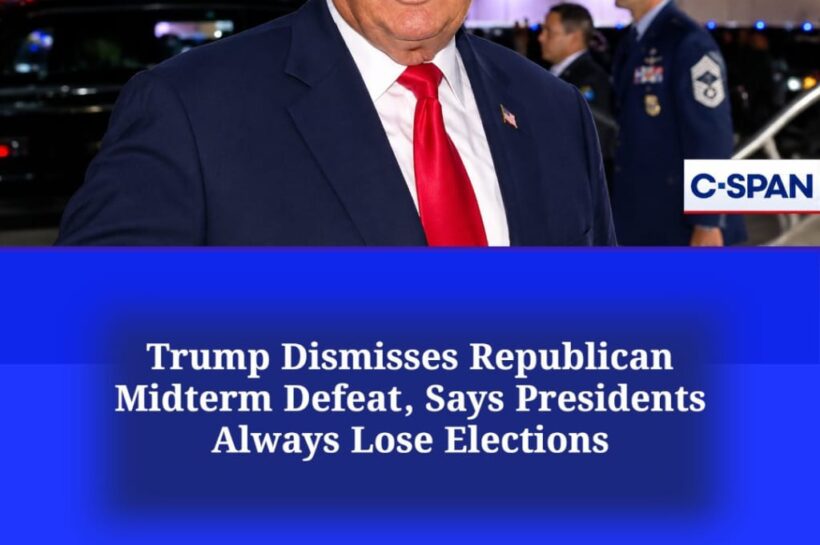

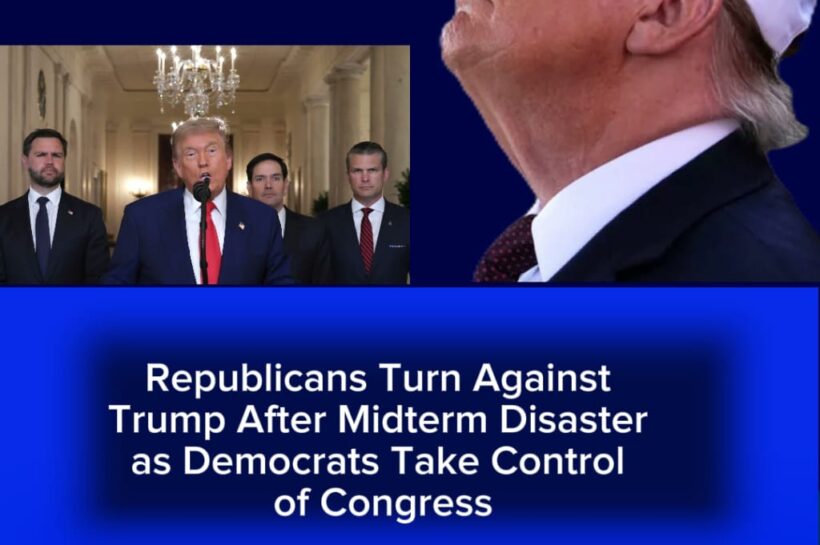




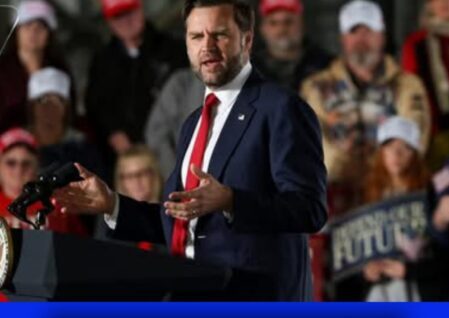
Vice President JD Vance appears to have started preparing for a political future that may not always revolve around President Donald Trump. Following the Republicans’ devastating defeat in the November 3, 2026, midterm elections, Vance has reportedly adjusted his political messaging, increasingly promoting issues associated with his own political identity while mentioning Trump and some of the president’s controversial policies less frequently. With Democrats taking control of Congress, the vice president appears to understand that defending the Republican Party and protecting his own political future may require two different strategies. After all, being loyal to the captain is one thing; preparing to take over the ship is another.
VANCE DISTANCES HIS POLITICAL MESSAGE FROM TRUMP’S CONTROVERSIES
According to the information provided in the report, Vance deliberately shifted his campaign strategy towards economic nationalism, foreign policy restraint and public safety. Rather than constantly defending Trump’s policies, including the controversial Iran war and deportation agenda, he increasingly presented Republican arguments through issues he could personally champion. His advisers reportedly considered these subjects politically attractive and believed they could help him establish a distinct identity ahead of the 2028 presidential contest.
The change is particularly significant because Trump remains the dominant figure in the Republican Party, and Vance owes much of his political rise to the president’s support. However, the midterm defeat has exposed the political risks of being too closely associated with an administration struggling with public dissatisfaction over the cost of living, military involvement abroad and other contentious decisions. Vance now faces an interesting political balancing act: maintaining Trump’s supporters without automatically inheriting every controversy attached to the president. Apparently, the vice president has discovered that political loyalty and political survival do not always travel in the same vehicle.
IRAN WAR BECOMES THE BIGGEST TEST OF VANCE’S INDEPENDENCE
Vance’s most significant political intervention came after the Republican defeat when he publicly identified the Iran war as a major reason for the party’s electoral losses. He called for a swift end to the conflict and urged Republicans to reconsider American foreign relations, prioritise affordability and reassess the country’s relationship with Israel. This represented a notable departure from the president’s continued defence of the military campaign. Trump has acknowledged that the war contributed to Republican losses through rising fuel prices but has maintained that he would not have changed his decision.
Although people familiar with the White House communications reportedly indicated that Vance’s statement was not intended as a direct break with Trump, the political implications are difficult to ignore. The vice president’s position has opened a wider debate among conservatives about the future direction of the Republican Party. Interestingly, Donald Trump Jr. also expressed support for Vance’s remarks, giving the intervention additional political significance. Meanwhile, Trump’s reported decision to replace Susie Wiles with Stephen Miller as White House chief of staff suggests that the administration may continue embracing a harder political approach, even as Vance explores a different emphasis.
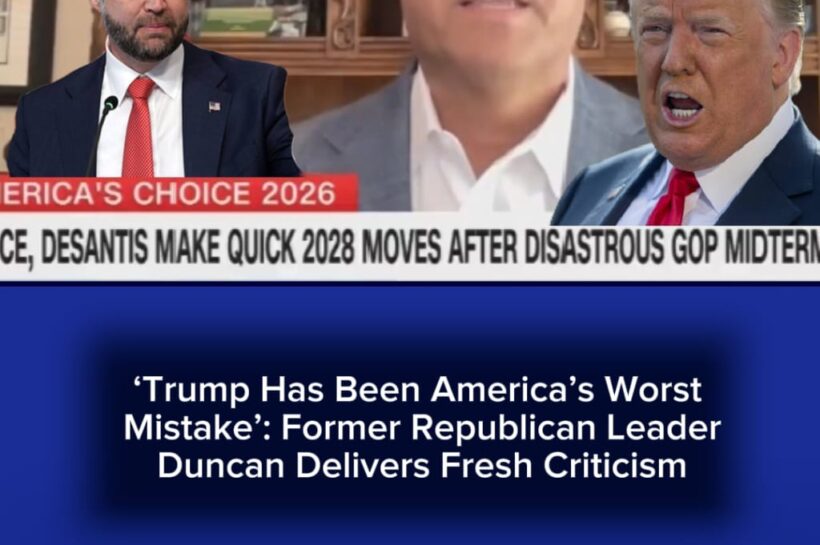
Vance, however, is not emerging from the electoral disaster without criticism. Republicans suffered defeats in several states where he campaigned, while some campaign strategies he supported attracted controversy. Other potential Republican presidential contenders, including Senator Ted Cruz and Florida Governor Ron DeSantis, have also offered competing explanations for the defeat. This means the battle to define the Republican Party’s future is already developing, even though the 2028 presidential election remains some distance away.
JD Vance has not officially declared a presidential ambition for 2028, and President Trump has not endorsed him as his successor. Nevertheless, his latest political repositioning suggests that the vice president is conscious of the need to build a political identity that can survive beyond Trump’s presidency. His challenge will be convincing Republican voters that he remains loyal to the MAGA movement while persuading a wider electorate that he represents something different. Whether this is genuine policy independence or simply an early exercise in presidential positioning remains an open question. One thing is certain: the Republican midterm defeat has opened the door to a serious conversation about who will inherit Trump’s political movement. Stay with OGM News for further developments.

I have been exploring different online lounges for a long time and this platform stands...