








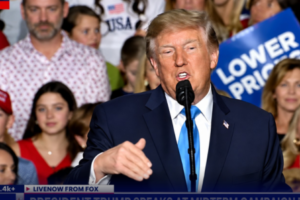




















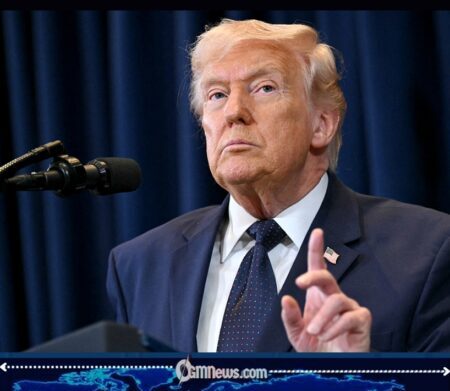
The administration of Donald Trump is actively exploring options to secure or extract Iran’s nuclear materials, according to multiple sources familiar with internal deliberations, as a joint U.S.-Israel military campaign against Tehran moves into a more complex and uncertain stage. While no final decision has been taken, the discussions signal a potential shift toward a more direct intervention in Iran’s nuclear capabilities.
Officials indicate that the timing of any such operation remains unclear, with the president yet to authorize action. However, contingency planning has reportedly intensified, highlighting Washington’s determination to ensure Iran cannot advance toward nuclear weapons capability amid escalating regional tensions.
Strategic Focus Shifts to Nuclear Containment
Following an initial phase dominated by airstrikes targeting Iran’s military infrastructure, U.S. strategy is now increasingly centered on neutralizing Tehran’s nuclear potential. Early operations aimed to weaken air defense systems, missile capabilities, and facilities linked to the Islamic Revolutionary Guard Corps, thereby limiting Iran’s ability to retaliate.
Despite these efforts, Iran has demonstrated resilience, launching counterattacks against Israel and U.S.-aligned targets across the Gulf region. Disruptions to oil shipments and threats to maritime routes have further underscored the conflict’s broader economic and geopolitical implications.
The evolving battlefield realities appear to have prompted a recalibration in Washington, with greater emphasis on long-term strategic objectives rather than immediate military gains.
Special Operations Forces Considered for Sensitive Mission
Central to the reported planning is the possible deployment of the Joint Special Operations Command (JSOC), an elite and highly secretive U.S. military unit known for handling sensitive counter-proliferation missions. Sources suggest that JSOC could play a critical role in any attempt to secure or remove nuclear materials from Iranian facilities.
Such an operation would likely involve complex coordination, precision targeting, and significant risk, given the hazardous nature of the materials and the fortified locations in which they are stored. The White House has emphasized that operational planning falls within the remit of the Pentagon, which has not publicly commented on the matter.
Military analysts note that missions of this nature require not only tactical precision but also extensive intelligence and logistical support, particularly in hostile environments.
Risks and Challenges of Securing Nuclear Materials
Experts warn that retrieving or neutralizing Iran’s enriched uranium would be a technically demanding undertaking. According to Rafael Grossi, head of the International Atomic Energy Agency, the materials in question are stored in the form of uranium hexafluoride gas enriched to 60%, a level close to weapons-grade.
Handling such substances requires specialized equipment and expertise, as they are both chemically hazardous and difficult to transport safely. Additionally, many of the stockpiles are believed to be located deep within fortified underground facilities that have already been targeted in previous strikes.
While not impossible, Grossi cautioned that any attempt to seize these materials would represent a highly complex and risky military operation.
Intelligence Assessments and Nuclear Ambiguity
U.S. intelligence assessments as recently as last year indicated that Iran was not actively pursuing the construction of a nuclear weapon. Tehran has consistently maintained that its nuclear program is intended for peaceful purposes, including energy production and scientific research.
However, Iran’s enrichment of uranium to 60%—well beyond typical civilian requirements—has raised significant international concern. The International Atomic Energy Agency has noted that Iran remains the only non-nuclear weapons state to enrich uranium to such a high level.
This ambiguity has complicated diplomatic efforts and contributed to heightened suspicion among Western powers regarding Iran’s long-term intentions.
Escalation and Human Cost of the US-Iran Conflict
The intensifying conflict has already resulted in significant casualties and regional instability. U.S. military sources confirm that American service members have been killed and injured in Iranian drone and missile attacks targeting bases in Kuwait and Saudi Arabia. Additional fatalities occurred בעקבות a refueling aircraft crash in Iraq.
These incidents highlight the growing risks faced by U.S. forces and underscore the broader human cost of the conflict. Meanwhile, Iran’s capacity to strike back has challenged assumptions about the effectiveness of the initial military campaign.
The continued exchange of hostilities has also heightened fears of a wider regional escalation involving additional state and non-state actors.
Diplomatic Efforts Stall Amid Military Pressure
Prior to the outbreak of hostilities, the United States and Iran engaged in indirect negotiations aimed at curbing Tehran’s nuclear activities. Mediated in part by Badr Albusaidi, the talks explored options such as diluting highly enriched uranium and converting it for civilian use.
However, key disagreements persisted, particularly regarding Washington’s demand that Iran halt all uranium enrichment activities. Tehran rejected this position, insisting on its sovereign right to pursue nuclear technology for peaceful purposes.
With diplomatic channels largely stalled, military options have taken precedence, further complicating prospects for a negotiated resolution.

Casinoabc999? Good Site. The interface is sleek, and there is a lot of stuff to...