
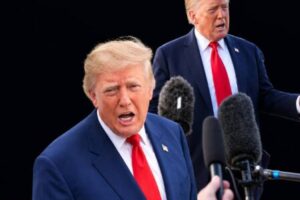
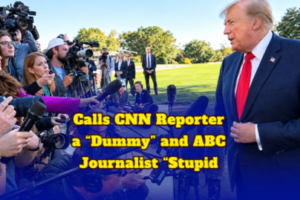


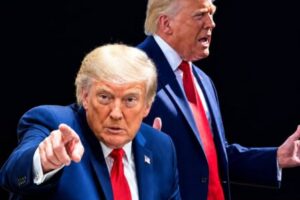
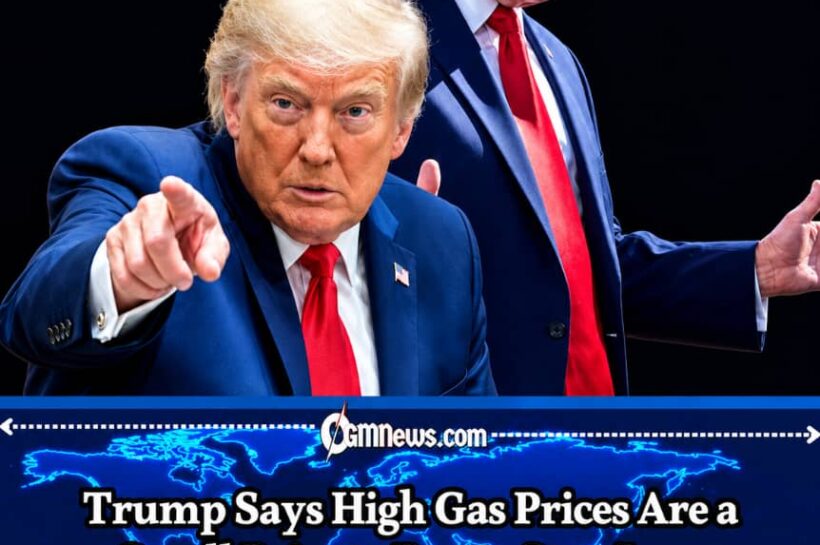
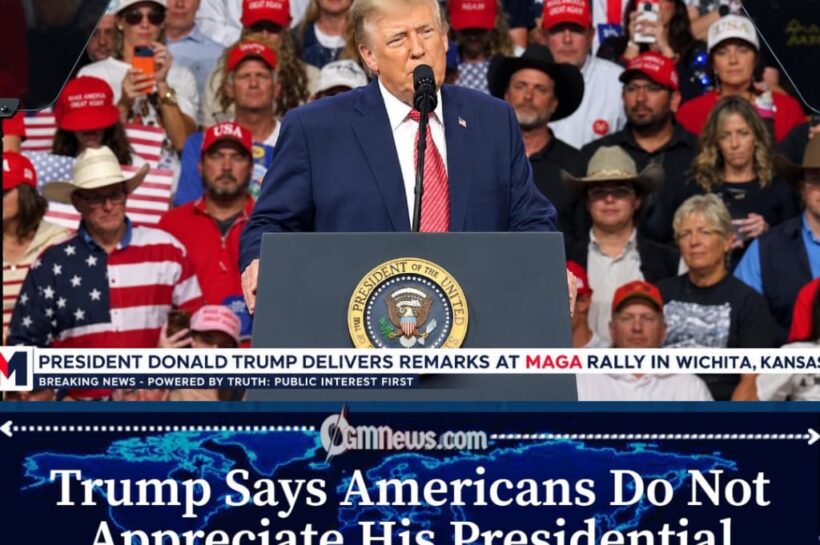



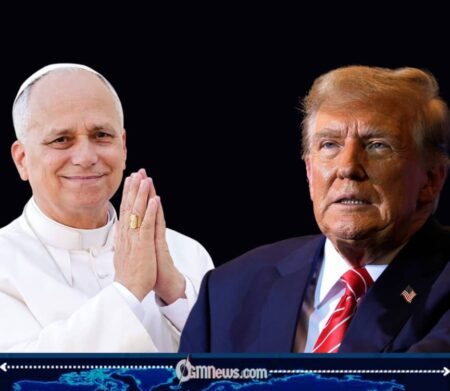
U.S. President Donald Trump has sharply responded to criticism from Pope Leo XIV, arguing that the pontiff should not comment on matters of war and foreign policy. The remarks mark a significant escalation in an ongoing exchange that has drawn global attention.
President Donald Trump’s response underscores a widening divide between political leadership and religious authority, particularly on issues related to conflict and international strategy. The disagreement has prompted reactions from policymakers, religious figures, and analysts worldwide.
Trump’s Response: Rejecting the Pope’s Authority on War
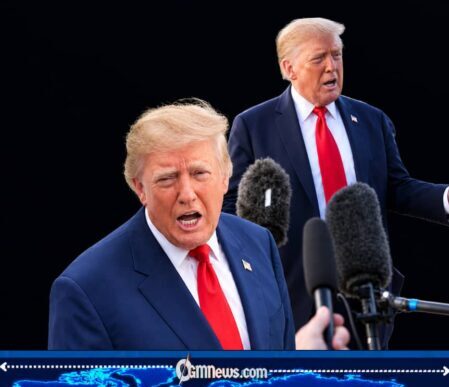
President Donald Trump dismissed the pope’s comments on military affairs, stating that such matters require expertise and access to intelligence that religious leaders may not possess. He emphasized that decisions about war involve complex considerations that go beyond moral guidance alone.
In his remarks, Donald Trump maintained that his administration is acting in the best interests of national security. He also suggested that commentary from outside the political sphere can complicate sensitive decision-making processes.
The president’s tone signaled a firm stance, with no indication of retreat or reconsideration of his position.
Origins of the Dispute: The Pope’s Call for Restraint
The disagreement began after Pope Leo XIV publicly urged caution and restraint in relation to ongoing conflicts, including tensions involving Iran. He emphasized the moral responsibilities associated with the use of force and called for a focus on peace and dialogue.
Pope Leo XIV framed his remarks within a broader message about the ethical dimensions of leadership, highlighting the human cost of war. His statements were interpreted by many as a critique of current military strategies.
This moral perspective, while consistent with the Vatican’s traditional stance, placed the pope in direct contrast with the policy direction outlined by President Donald Trump.
Support From Washington: Administration Closes Ranks
Senior U.S. officials have expressed support for President Donald Trump’s position, reinforcing the administration’s view that foreign policy decisions should remain within the domain of elected leaders. Among those defending the president is Vice President JD Vance.
JD Vance suggested that while moral guidance is important, decisions about national security must be made based on strategic considerations. His comments reflect a broader effort within the administration to present a unified response.
This alignment indicates that the disagreement is not limited to personal differences but represents a coordinated policy stance.
The Vatican’s Position: Moral Authority and Global Responsibility
Pope Leo XIV has maintained a measured tone in response to the criticism, continuing to advocate for peace and ethical leadership. He has emphasized that moral considerations are central to decisions that affect human lives on a large scale.
The Vatican has historically played a role in promoting dialogue and conflict resolution, and the pope’s statements are consistent with this tradition. His approach focuses on long-term stability and humanitarian concerns.
Despite the criticism from President Donald Trump, the pope has avoided escalating the rhetoric, instead reinforcing his core message.
Global Reaction: A Rare Clash Between Leadership Spheres
The exchange between President Donald Trump and Pope Leo XIV has attracted widespread international attention. Analysts describe the situation as an unusual and significant clash between political and religious authority.
Some observers have raised concerns about the potential impact on diplomatic relations and public perception, particularly among religious communities. Others view the disagreement as a reflection of broader debates about the role of moral guidance in governance.
The incident highlights the challenges of navigating differing perspectives in a highly interconnected global environment.
Implications for U.S. and International Relations
The dispute may have implications for the United States’ relationships with allies, particularly in regions where the Catholic Church holds significant influence. The tone of the exchange could shape perceptions of U.S. leadership and its approach to international cooperation.
At the same time, the situation underscores the complexity of balancing strategic priorities with ethical considerations. Policymakers must navigate these dynamics while maintaining credibility and effectiveness.
The outcome of this disagreement may influence how similar interactions are handled in the future.
President Donald Trump’s response to Pope Leo XIV highlights a fundamental difference in perspective on the role of moral authority in matters of war. While the president emphasizes strategic decision-making, the pope continues to advocate for ethical restraint and humanitarian considerations.
As the exchange unfolds, it serves as a reminder of the enduring tension between political power and moral guidance. The ability to manage such differences will remain a key factor in shaping global discourse.
Logging in is a breeze and the site stability is amazing even during peak hours....