














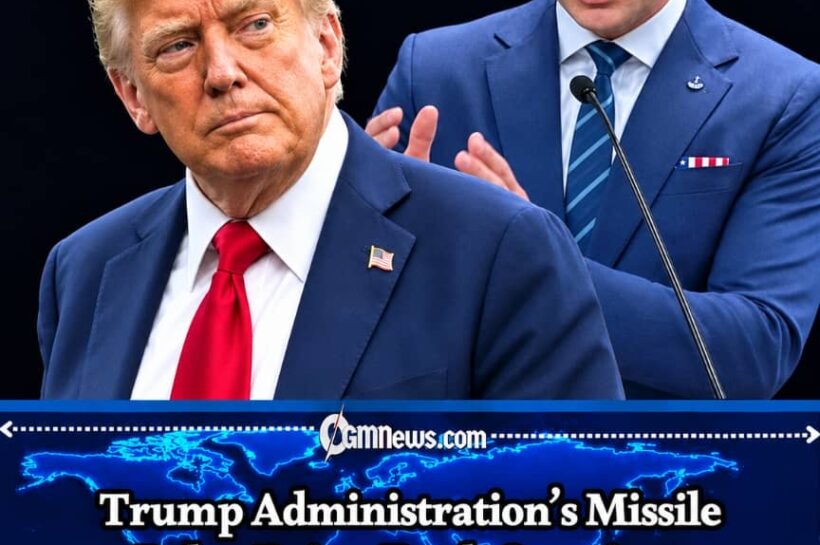






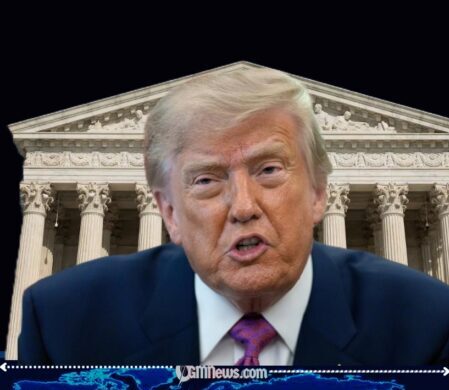
President Donald Trump has taken his administration’s voter-verification battle to the U.S. Supreme Court, asking the justices to revive a controversial federal database system that lower courts have blocked from being used to check state voter rolls. In a move that has turned election administration into yet another courtroom drama, Justice Department lawyers argue that the system is necessary to help states verify citizenship, while critics warn that unreliable government data could mistakenly place legitimate voters under suspicion.
The system at the centre of the dispute is the revamped Systematic Alien Verification for Entitlements, better known as SAVE. The administration has expanded its capabilities to allow broader searches of government records, including Social Security information. The federal government says the initiative is about election integrity; opponents see a potentially enormous bureaucratic machine searching for a problem while carrying the risk of creating new ones.
The Database That Refuses to Stay in the Database
A federal judge in June blocked the administration’s use of the revamped SAVE system for mass voter verification, finding serious problems with the way sensitive information had been consolidated and warning about the possibility of eligible citizens being wrongly removed from voter rolls. The ruling was subsequently upheld by a federal appeals court in a 2-1 decision, with the majority raising concerns about privacy and inaccurate citizenship information.
The Justice Department is not amused. In its Supreme Court filing, government lawyers described the lower court’s decision as “indefensible” and argued that the federal government must retain the ability to use Social Security data when responding to states seeking citizenship verification. In satirical Washington translation, the administration appears to be saying: if the database cannot get through the front door of the courthouse, perhaps the Supreme Court can open the back door.
Election Integrity Meets the Bureaucracy Olympics
The timing makes the dispute particularly consequential. Republicans are defending narrow congressional majorities in the November 3 midterm elections, while the Trump administration is simultaneously pursuing broader federal involvement in election administration. The Supreme Court is therefore being asked to decide a technical dispute over a database at a moment when even a seemingly small change in voter verification could have major political consequences.
The administration says the database can help identify people who should not be registered to vote, while critics argue that citizenship records can be incomplete, outdated or inaccurate and could result in eligible voters being flagged. Earlier litigation has already produced warnings that citizens, including naturalized Americans, could face unnecessary challenges to their voting eligibility. Meanwhile, the courts have become the referee in a political contest in which every side insists it is merely trying to protect democracy.
The bigger picture is that the SAVE fight is only one part of a much larger legal confrontation over federal power and elections. The administration has also faced judicial resistance over its efforts involving mail voting, with another federal judge recently extending a block on Trump’s mail-voting rules through Election Day.
For now, the voter-verification database remains locked in a legal tug-of-war, with the Trump administration asking the nation’s highest court to decide whether its election-checking ambitions can proceed. Whether the Supreme Court unlocks the database, leaves the lower-court blocks intact, or sends the lawyers back for another round remains to be seen. One thing is already certain: America’s voter rolls have acquired a new election-season companion — a database, a lawsuit and enough legal paperwork to keep Washington’s photocopiers working overtime. OGM News will continue watching the Supreme Court battle and provide further updates as the election-verification saga develops


Downloaded the 881betapp the other day. Clean interface, does the job. Quick and easy betting...