


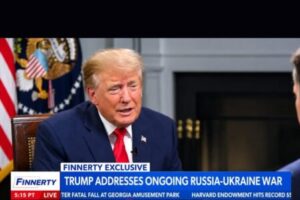



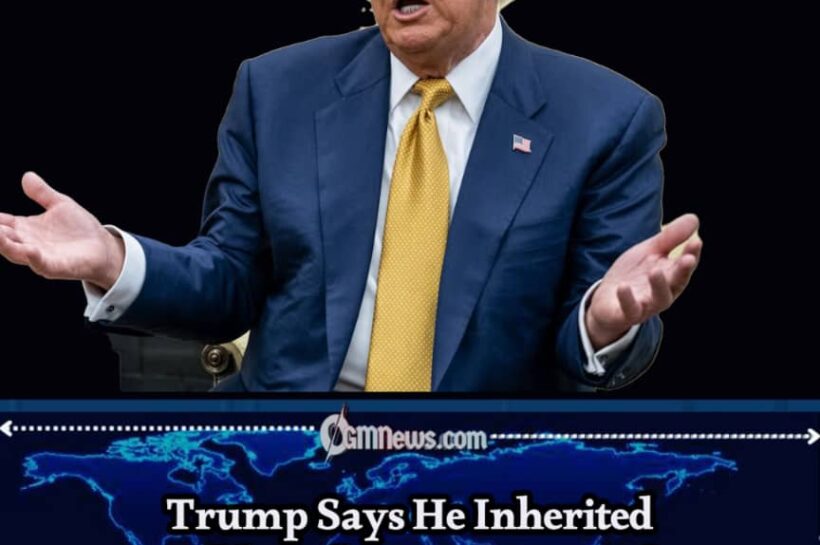
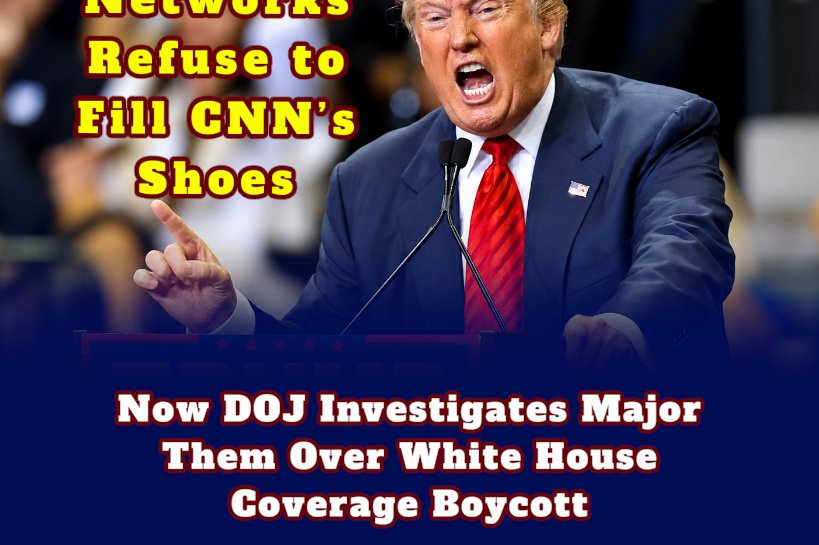



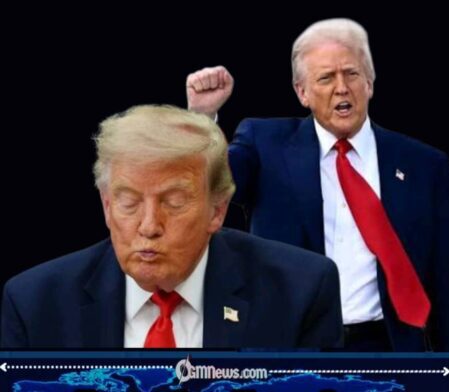
President Donald J. Trump has acknowledged the political importance of gasoline prices while defending his administration’s Iran policy, arguing that Americans should also consider what he describes as the national-security importance of preventing Iran from obtaining a nuclear weapon.
Trump said people are watching fuel prices closely, but he sought to broaden the conversation beyond the cost of filling a vehicle. He characterized Iran as a dangerous state and argued that stopping it from acquiring an atomic bomb is a major achievement of his administration.
Gas Prices Remain a Major Political Issue
The price of gasoline has long been a sensitive issue for American voters because changes at the pump can quickly affect household budgets and transportation costs. Political leaders frequently point to fuel prices when discussing the economy, inflation and energy policy.
Trump’s latest remarks reflect that political reality. By acknowledging Americans’ focus on gasoline while simultaneously defending his Iran strategy, the president is attempting to connect an everyday economic concern with a much larger foreign-policy argument.
For many households, however, the question remains straightforward: How much does it cost to fill the tank?
Trump Makes Iran’s Nuclear Program a Central Argument
Trump also emphasized his administration’s stated objective of preventing Iran from obtaining a nuclear weapon. The issue has been a major source of tension between Washington and Tehran, with the United States maintaining that Iran’s nuclear capabilities pose a serious security concern.
Trump’s characterization of Iran and his claim that his administration is preventing a nuclear threat are part of a broader effort to justify his approach to the conflict. Supporters argue that confronting Iran protects U.S. and allied security, while critics have questioned the risks and economic consequences associated with escalating tensions.
The political challenge for Trump is therefore twofold: convince Americans that his Iran policy protects national security while also ensuring that gasoline prices do not become a major source of public frustration.
Because when geopolitics reaches the gas pump, voters tend to notice.

mjpKyJqtopJmUkjsHEeNp