




























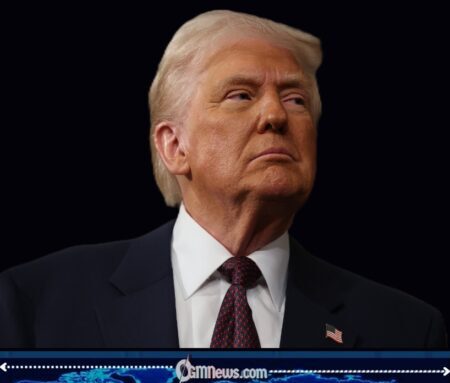
President Donald Trump, currently serving a second term as President of the United States, has embarked on a sweeping effort to reshape the country’s cultural and historical institutions. Through a series of executive orders and policy directives, Trump administration has targeted museums, national parks, and public monuments in a bid to eliminate what he describes as “anti-American ideology” from public spaces.
These actions have included the removal of slavery-related exhibits, the restoration of certain historical monuments, and a broad review of interpretive materials across federally managed sites. While supporters argue that the measures aim to promote national unity and patriotism, critics warn that they risk distorting historical truth and undermining decades of progress in civil rights and public education.
Executive Orders Target Cultural Institutions
Within weeks of returning to office, President Trump signed an executive order aimed at the Smithsonian Institution, one of the most prominent cultural and research organizations in the United States. The directive called for the removal of what the Trump administration termed “anti-American ideology” from exhibitions and programming across its network of museums.
The order signaled a broader federal intervention into how American history is curated and presented. It also instructed agencies to ensure that public-facing narratives emphasize what the administration considers a more balanced or patriotic interpretation of national history.
Trump Administration officials have defended the move as necessary to counter what they describe as ideological bias in cultural institutions. They argue that federally funded entities should reflect values that unify the nation rather than highlight divisions.
Restoration of Monuments and Historical Sites
In addition to targeting museum content, the administration directed the U.S. Department of the Interior to restore monuments, memorials, and statues that had been altered or removed in recent years. This includes the reinstatement of some Confederate-era statues that had been taken down amid nationwide protests over racial injustice.
Officials stated that these restorations are intended to preserve historical heritage and prevent what they characterize as a “revisionist” rewriting of the past. The directive applies broadly to federal lands, including national parks and memorial sites.
However, civil rights advocates argue that restoring such monuments without context risks glorifying controversial aspects of American history. They contend that public spaces should reflect inclusive narratives that acknowledge both achievements and injustices.
Trump Administration Review and Removal of Historical Signage
Following a March 2025 executive order, the National Park Service initiated a comprehensive review of interpretive signage across national parks. These signs, which provide historical context to visitors, have become a focal point in the administration’s efforts to reshape public understanding of history.
As part of this process, reports emerged that several displays addressing slavery and the treatment of Native Americans were removed or revised. The administration has not publicly detailed the full scope of these changes, but officials maintain that the goal is to ensure accuracy and balance.
Critics, however, argue that the removal of such materials diminishes the educational value of these sites. They warn that reducing visibility of difficult historical subjects may lead to a less informed public.
Legal Challenges and Court Interventions
The Trump administration’s actions have prompted legal challenges, particularly in cases where historical content was removed. In one notable instance, a federal judge in Pennsylvania ordered the restoration of a slavery exhibit at a historic site in Philadelphia, which had been taken down earlier in the year.
The exhibit, located at a site associated with George Washington, included references to his ownership of enslaved individuals. The court ruled that removing such information compromised the integrity of the historical record.
Following the ruling, the National Park Service complied and reinstalled the exhibit. Legal experts suggest that similar cases could arise as advocacy groups seek to challenge other changes made under the administration’s directives.
Reactions from Civil Rights Organizations
Major civil rights groups have voiced strong opposition to the Trump administration’s approach. The NAACP has criticized the removal of slavery-related content, describing it as an attempt to erase essential aspects of American history.
In public statements, the organization argued that acknowledging the realities of slavery and racial injustice is crucial for national understanding and reconciliation. It warned that minimizing these topics could hinder efforts to address ongoing inequalities.
Similarly, the Black Lives Matter movement has condemned the administration’s rhetoric and policies, stating that they reflect a broader effort to downplay historical injustices faced by marginalized communities.
Broader Implications for Historical Narrative
The ongoing changes have sparked a wider debate about how history should be presented in public institutions. Supporters of the Trump administration argue that emphasizing national achievements can foster unity and pride, particularly in a polarized political climate.
Opponents counter that a comprehensive understanding of history must include its most challenging chapters. They argue that public institutions have a responsibility to present accurate and inclusive narratives, even when they are uncomfortable.
As the Trump administration continues to implement its policies, the future of historical interpretation in the United States remains a subject of intense public and legal scrutiny. The outcome of this debate may shape how future generations understand the nation’s past.
[…] […]