








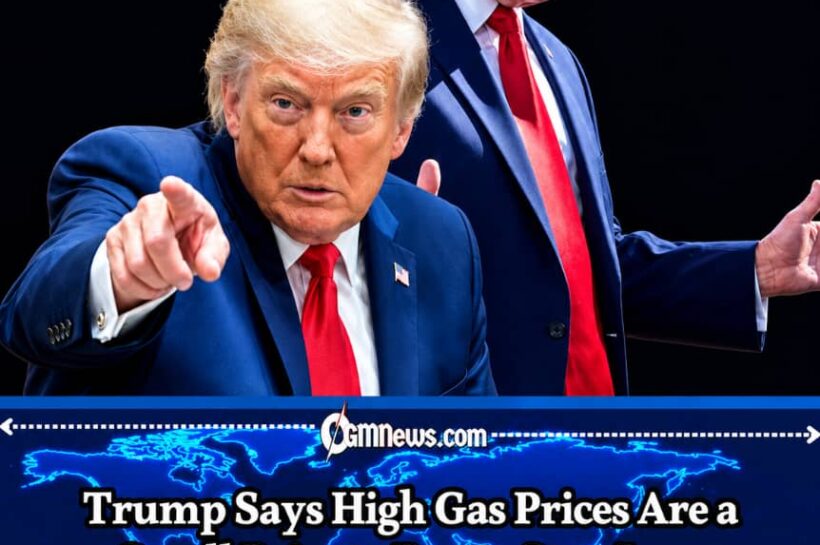
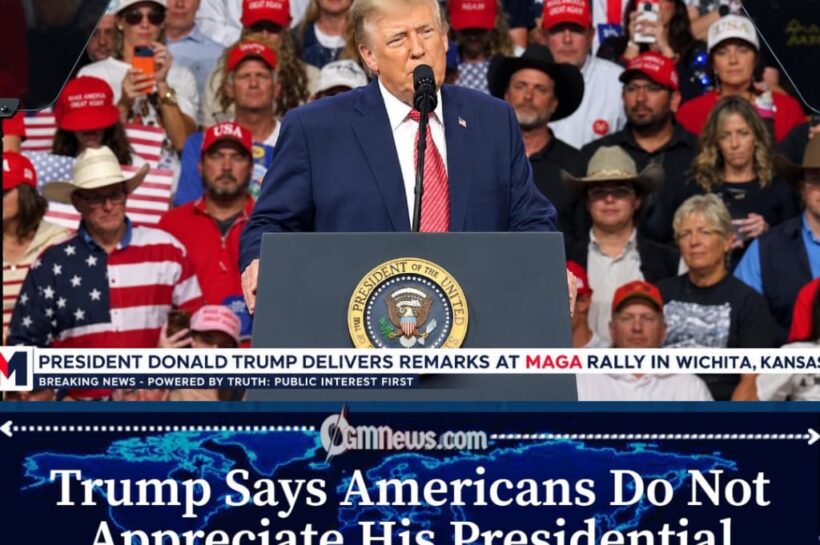




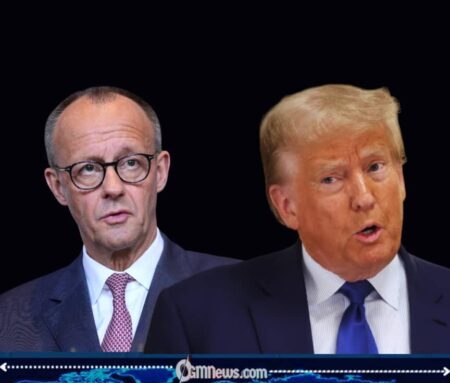
President Donald Trump, the current U.S. president serving a second term, has intensified tensions with Germany by publicly criticizing Chancellor Friedrich Merz over Berlin’s opposition to Washington’s approach in the Iran conflict.
In a pointed message posted on his social platform, Trump accused the German leader of interfering in matters of international security while neglecting Germany’s own domestic and regional challenges.
The latest remarks have added to a widening diplomatic strain between Washington and Berlin at a time when the Middle East conflict is already testing unity among Western allies. Trump’s criticism reflects not only disagreement over Iran but also deeper frustration within his administration about European resistance to the current U.S. strategy in the region.
Trump’s Public Rebuke of Berlin
Trump’s comments represented one of his strongest direct criticisms of the German government since returning to office. In his statement, he argued that Chancellor Merz should devote greater attention to Europe’s own security concerns rather than questioning military actions against Iran.
The president specifically referenced Germany’s handling of immigration, energy policy and the war in Ukraine, saying Berlin should focus on internal challenges before criticizing efforts aimed at reducing the Iranian nuclear threat. His language signaled a more confrontational tone in U.S.–German relations.
By linking the Iran conflict to Germany’s domestic issues, Trump framed the dispute as part of a larger argument about burden-sharing and leadership among America’s allies.
Germany’s Concerns Over Escalation
German officials have expressed growing concern that the Iran conflict could expand into a wider regional war. Chancellor Merz has warned that a prolonged confrontation may create new economic and security risks for Europe.
Berlin has been particularly sensitive to the impact of rising energy costs and shipping disruptions that have followed instability in the Gulf region. German officials fear a broader conflict could further weaken already fragile economic conditions across Europe.
The German government has also emphasized the need for diplomacy, arguing that military action alone may not provide a lasting solution to tensions with Tehran.
A Broader Divide Within the Alliance
The disagreement between Trump and Merz reflects a larger divide within the transatlantic alliance. While Washington continues to defend military pressure on Iran, several European governments have begun urging greater restraint.
Some European leaders believe the United States moved too quickly toward escalation without sufficient consultation with allies. That concern has led to private frustration in several capitals, even among governments that traditionally maintain close ties with Washington.
The public nature of Trump’s criticism has made those divisions harder to ignore and raised questions about whether unity within NATO can be maintained during a period of growing international tension.
Domestic Politics Behind the Exchange
Political analysts say both leaders may also be speaking to domestic audiences. For Trump, criticizing European leaders reinforces his longstanding message that allies must do more and rely less on the United States.
For Merz, pushing back against Washington’s approach may resonate with German voters concerned about another prolonged Middle East conflict. Public opinion in Germany has grown increasingly cautious about foreign military involvement.
As a result, what appears to be a diplomatic dispute may also reflect internal political calculations on both sides of the Atlantic.
The Impact on U.S.–German Relations
The clash over Iran comes at a sensitive time in U.S.–German relations. The two countries remain key partners on trade, intelligence and European security despite occasional political disagreements.
Diplomats in both countries are reportedly working to prevent the public exchange from damaging broader cooperation. However, repeated criticism from the White House could make that effort more difficult.
Some analysts warn that if the dispute continues, it may influence future discussions on defense spending, sanctions policy and military coordination within Europe.
What Happens Next
The coming weeks may determine whether the dispute remains rhetorical or develops into a deeper policy split. Much will depend on whether the Iran conflict escalates further and whether European governments continue challenging Washington’s approach.
For now, Trump’s latest remarks have underscored how the war is reshaping relationships among long-standing allies. The argument with Germany shows that divisions over Iran are no longer confined to the Middle East itself.
As both governments seek to defend their positions, the diplomatic fallout may become another important consequence of a conflict already producing global political strain.

The weekly tournaments here keep me coming back because the prize pools are surprisingly generous....