







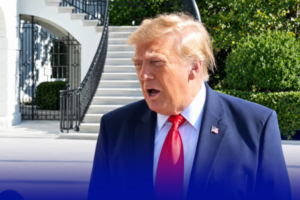


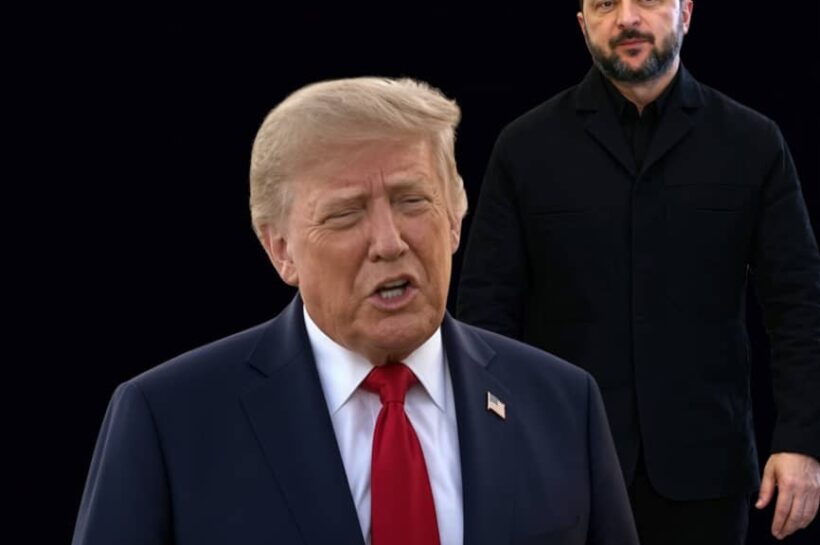
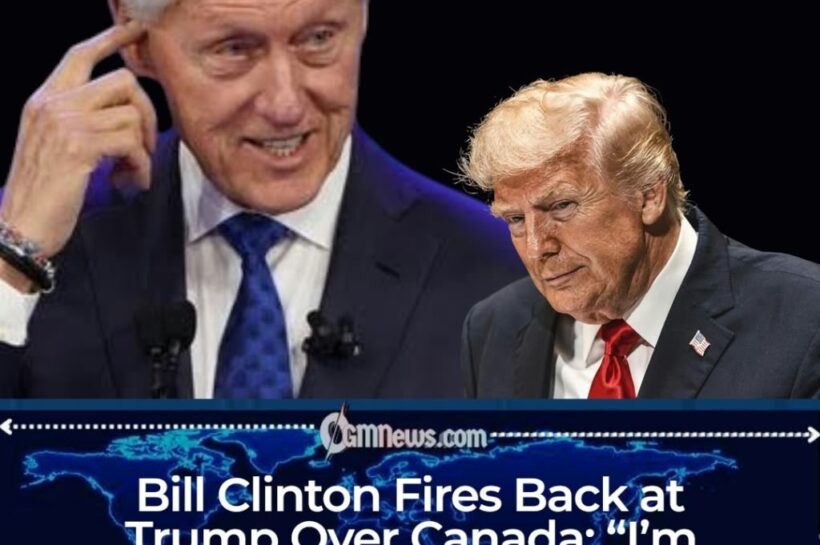














President Donald J. Trump has unleashed a furious late-night broadside against Canada after Prime Minister Mark Carney pulled Ottawa out of last-minute trade negotiations, turning what had briefly looked like a possible compromise into another chapter of the increasingly bitter U.S.-Canada trade confrontation. In a Truth Social post, Trump accused Canada of seeking “the benefits of a State, without being one” and ended his message with the unmistakably presidential economic battle cry: “No more!!!” The latest rupture came as the United States imposed 50% tariffs on about $20 billion worth of Canadian goods after negotiations collapsed.
Canada Walks Away as Trump Turns Up the Heat
The negotiations had appeared to be moving toward a compromise only days earlier. A temporary pause in the new tariffs had raised hopes that Washington and Ottawa could settle their differences, but those hopes evaporated when Carney withdrew Canada’s negotiating team on Friday, August 21. The Canadian prime minister said last-minute changes to the U.S. position were unfair, economically damaging and raised questions about the reliability of any eventual agreement.
Trump, however, did not appear interested in allowing the diplomatic door to close quietly. His overnight reaction accused Canada of benefiting from its relationship with the United States while imposing tariffs on American farmers. U.S. Trade Representative Jamieson Greer separately blamed Ottawa, saying Canada had declined to finalize terms that Washington believed had already been agreed. In other words, the two governments appear to have attended the same negotiation but returned home with entirely different memories of what happened.
Tariffs, Retaliation and the North American Economic Divorce
The immediate economic consequences are relatively concentrated but politically significant. The new U.S. tariffs affect roughly $20 billion in Canadian imports, including products such as sporting goods and other manufactured items, while Canada has announced dollar-for-dollar retaliation beginning September 8, targeting sectors including steel, dairy, electronics, appliances and agricultural equipment.
Carney has described the American approach as using economic integration as a weapon and warned that Canada must protect its sovereignty and industrial base. Ontario Premier Doug Ford has backed the federal government’s tougher response, while business groups on both sides of the border have warned that tariffs and counter-tariffs can raise costs, disrupt supply chains and threaten competitiveness. The stakes are substantial: U.S.-Canada goods and services trade was estimated at $872.3 billion in 2025, according to the U.S. Trade Representative.
For now, the great North American trade argument has moved from the negotiating table to the tariff counter. What began as an attempt to secure better terms now threatens to complicate the future of the wider U.S.-Mexico-Canada trade framework and deepen economic uncertainty between two historically close partners. The situation remains fluid, and readers should watch OGM News for further updates as Washington and Ottawa decide whether the next move will be another round of tariffs, another round of negotiations—or another round of angry social-media posts.

Mexican players will love how well this platform handles local payment methods. Deposits via OXXO...