









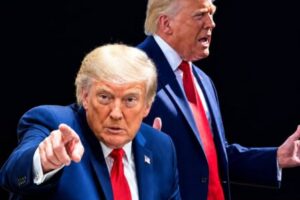



















Amid a prolonged funding lapse affecting the Department of Homeland Security, Donald Trump, the current U.S. president serving a second term, has announced plans to sign an executive order to restore pay for Transportation Security Administration (TSA) officers. The move comes after more than a month of missed paychecks, a situation that has triggered widespread staff shortages and operational disruptions at major airports across the United States.
The president’ Trump s announcement, made via social media, underscores mounting pressure on federal authorities to mitigate the real-world consequences of the shutdown. While the proposal has been welcomed by some stakeholders, questions remain over its legal basis and long-term effectiveness.
Shutdown Leaves TSA Workforce Strained
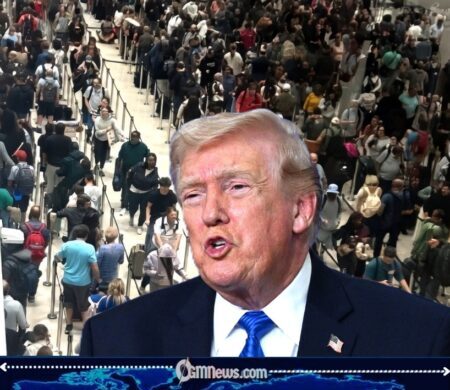
The ongoing shutdown of the Department of Homeland Security has left thousands of TSA officers without full pay for over 40 days. As financial strain intensifies, absenteeism has surged across airport security checkpoints nationwide, with more than 10 percent of officers reportedly calling out daily.
At certain high-traffic airports, absence rates have climbed above 40 percent, severely affecting operations. The resulting staff shortages have led to extended wait times, with some passengers experiencing delays stretching into several hours.
In addition to absenteeism, the agency has seen a steady outflow of personnel. Hundreds of TSA employees have reportedly left their positions entirely, raising concerns about workforce sustainability if the shutdown persists.
Executive Order Proposal By Trump Administration and Legal Uncertainty
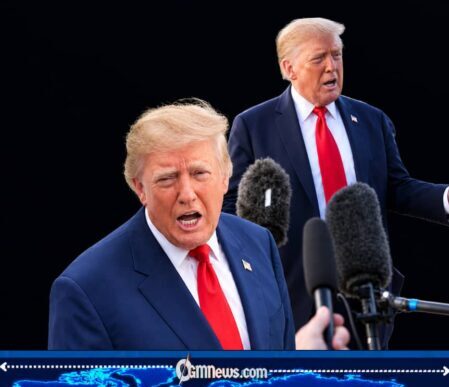
President Trump stated that he intends to use his executive authority to direct the Department of Homeland Security to immediately resume payments to TSA officers. However, the administration has not clarified the legal mechanism that would enable such action.
The lapse in appropriations, which began in February, legally restricts the disbursement of funds to certain federal employees. Analysts note that any unilateral move to restore pay could face legal scrutiny, particularly if it bypasses congressional approval.
Despite these concerns, the President Trump emphasized that the measure is necessary to address what he described as a “national crisis,” attributing the shutdown to political disagreements in Congress.
Funding Source: The One Big Beautiful Bill Act
According to senior administration officials, the White House is considering reallocating funds from last summer’s One Big Beautiful Bill Act to cover TSA salaries. The legislation includes tens of billions of dollars earmarked for various DHS functions.
These allocations span immigration enforcement, security preparations for global events such as the 2026 FIFA World Cup and 2028 Olympics, and protective measures for presidential residences. It remains unclear which specific provision could legally be redirected to fund TSA payroll.
The proposal reflects a broader strategy by the Trump administration to navigate shutdown-related constraints by repurposing existing funds, a tactic that has precedent in previous funding gaps.
Political Stalemate in Congress
Efforts to resolve the shutdown remain deadlocked in Congress, with Senate Democrats and Republicans divided over policy conditions tied to DHS funding. Democratic lawmakers have pushed for reforms targeting immigration agencies, proposals that Republicans have so far rejected.
Senate Majority Leader John Thune reportedly presented what he described as the party’s “last and final” offer, but negotiations have yet to yield a breakthrough.
The impasse has prolonged uncertainty for federal workers and complicated efforts to restore normal operations within affected agencies.
Emergency Measures at U.S. Airports
In response to growing disruptions, the administration has deployed additional federal resources to support airport operations. Agents from Immigration and Customs Enforcement have been sent to more than a dozen airports to assist with passenger screening.
President Trump has also indicated that National Guard forces could be mobilized if conditions worsen. These measures aim to alleviate pressure on TSA personnel and reduce delays for travelers.
However, aviation officials warn that such stopgap solutions may not fully compensate for the loss of trained TSA officers, particularly if workforce attrition continues.
Industry Reaction and Broader Implications
The announcement to restore TSA pay has been welcomed by industry stakeholders, including Chris Sununu, who now leads Airlines for America. He praised the initiative as a necessary step to support frontline aviation workers.
Sununu highlighted the financial hardships faced by TSA employees and cautioned that even with a funding agreement, delays in backpay distribution could persist for days or weeks.
Meanwhile, reports indicate that an offer by Elon Musk to personally fund TSA wages was considered but ultimately rejected due to legal concerns linked to his government contracts.
Historical Context and Precedents
This is not the first instance in which federal authorities have sought alternative funding mechanisms during a government shutdown. In previous shutdowns, certain categories of federal workers, including military personnel and law enforcement agents, continued to receive pay through discretionary funding.
Currently, active-duty Coast Guard personnel are being compensated using similar financial workarounds, highlighting inconsistencies in how shutdown impacts are managed across agencies.
The situation underscores ongoing challenges in balancing legal constraints with operational necessity during periods of fiscal deadlock.
As the DHS shutdown continues, the proposed executive order to restore TSA pay represents a significant, though legally uncertain, intervention by the Trump administration. While it may provide temporary relief to thousands of workers and ease airport disruptions, its implementation could face legal and political hurdles.
The broader resolution of the crisis ultimately depends on congressional action, leaving federal employees and the traveling public in a state of continued uncertainty.

Logging in is a breeze and the site stability is amazing even during peak hours....