
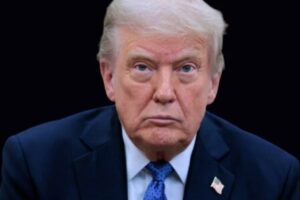


























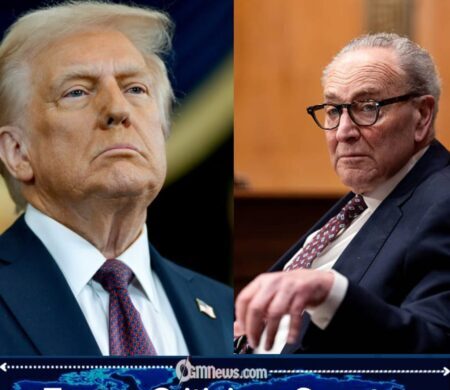
Donald Trump, the current U.S. president serving a second term, has called on Republican senators to eliminate the Senate filibuster and accelerate the passage of key legislative priorities. Central to his appeal is the SAVE America Act, alongside efforts to restore full funding to the Department of Homeland Security.
The president’s remarks underscore his administration’s focus on advancing its legislative agenda amid ongoing political divisions in Congress. He also directed criticism toward Senate Minority Leader Chuck Schumer, reflecting heightened partisan tensions as negotiations over major policy issues continue.
Trump’s Renewed Demand to Eliminate the Filibuster
President Trump has reiterated his position that the Senate filibuster should be abolished, arguing that it has become a barrier to effective governance. The filibuster, which requires a supermajority to advance most legislation, has long been a point of contention in U.S. legislative politics.
Trump maintains that removing the rule would allow a simple majority to pass critical bills more efficiently. Supporters of this view argue it would reduce gridlock, while critics caution that eliminating the filibuster could weaken minority party influence and alter long-standing Senate traditions.
SAVE America Act at the Forefront of Policy Agenda
At the center of Trump’s legislative priorities is the SAVE America Act, which he has urged lawmakers to pass without delay. The bill is broadly associated with strengthening national security measures, tightening immigration controls, and reinforcing electoral integrity frameworks.
The president has emphasized the urgency of enacting the legislation, describing it as a key component of his administration’s broader governance strategy. However, the proposal continues to face scrutiny from Democratic lawmakers, who have raised concerns about its scope and potential implications.
Push to Restore Department of Homeland Security Funding
Another major aspect of Trump’s message is the restoration of funding for the Department of Homeland Security. The department plays a critical role in safeguarding national borders, coordinating counterterrorism efforts, and managing emergency response operations.
Trump has argued that adequate funding is essential to ensure operational efficiency and national preparedness. While there is general bipartisan recognition of DHS’s importance, disagreements persist over budget allocations and policy conditions tied to federal funding packages.
Criticism of Senate Minority Leadership
In addressing legislative challenges, President Trump directed pointed remarks at Senate Minority Leader Chuck Schumer, accusing him of obstructing progress on key bills. The exchange reflects ongoing friction between the executive branch and Democratic leadership in Congress.
Schumer, along with other Democratic leaders, has defended his party’s positions, emphasizing the need to balance legislative priorities with institutional safeguards. The back-and-forth highlights the broader partisan divide shaping current political discourse in Washington.
Implications for Senate Procedure and Governance
Trump’s call to eliminate the filibuster raises important questions about the future of Senate procedure and the balance of legislative power. Removing the rule could significantly alter how laws are debated and passed, potentially enabling faster decision-making but also reducing minority party leverage.
Political observers note that such a change would represent a major shift in congressional operations. While it could facilitate the advancement of the administration’s agenda, it may also set precedents that influence future legislative dynamics regardless of which party holds power.
Legislative Path Remains Uncertain
Despite the president’s firm stance, the path forward for eliminating the filibuster and passing the SAVE America Act remains uncertain. Achieving the necessary consensus within the Senate will require navigating complex political negotiations and addressing divergent views among lawmakers.
As discussions continue, Trump’s legislative push is expected to remain a defining feature of the current political landscape. The outcome of these efforts will likely shape not only immediate policy outcomes but also the broader direction of governance in the months ahead.

[…] […]