



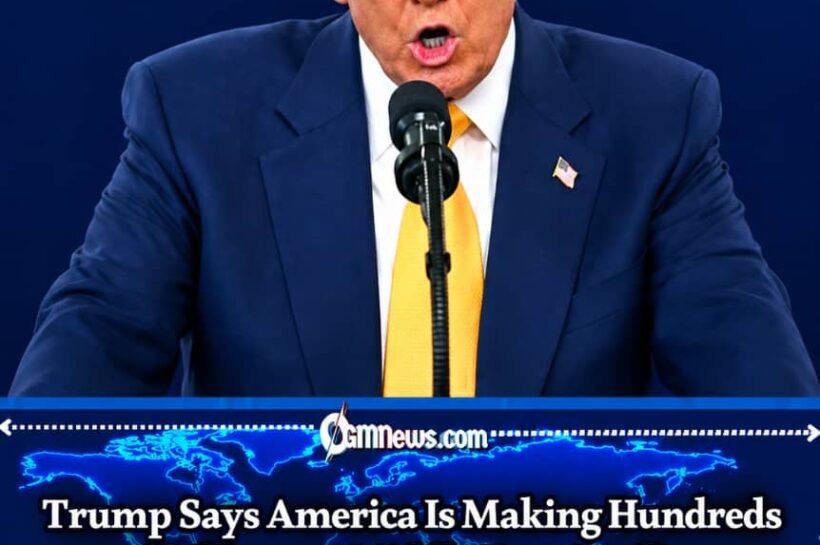

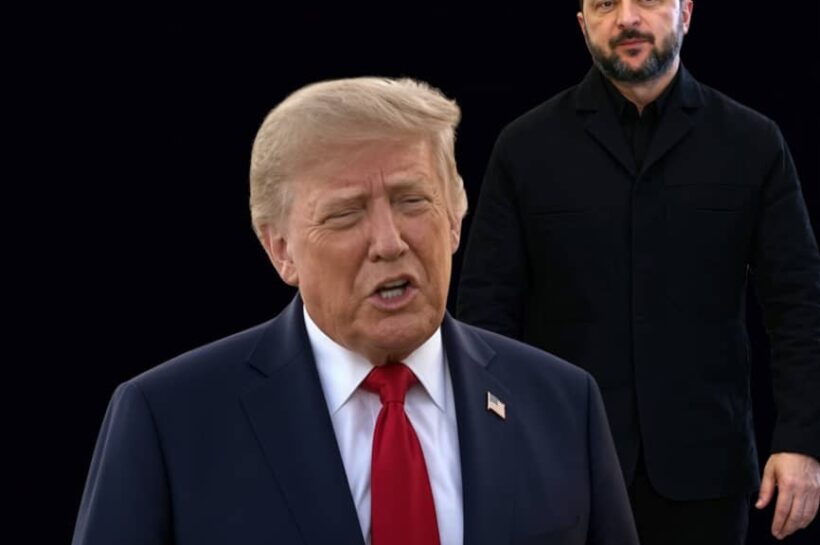




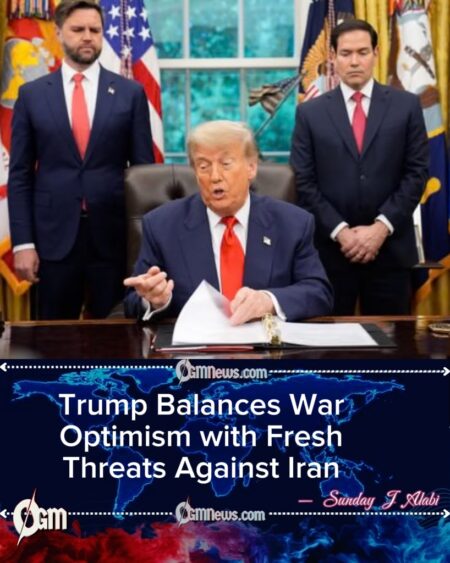
President Donald Trump has defended his administration’s handling of the ongoing U.S.-Israeli war with Iran, declaring that American forces are nearing completion of their objectives while warning that further military action remains on the table. In a prime-time address delivered amid rising global oil prices and declining domestic approval ratings, Trump projected confidence in military gains but stopped short of offering a definitive timeline for ending hostilities.
The 19-minute speech sought to balance reassurance with deterrence, as the president highlighted battlefield successes while reiterating threats of intensified strikes if Iran does not yield to U.S. demands. However, the absence of clear next steps and continued mixed messaging appeared to deepen uncertainty among allies, financial markets, and the American public.
A Search for an Exit Amid Continued Military Pressure
Trump’s remarks reflected an administration attempting to signal progress while preserving leverage. He asserted that U.S. forces had significantly degraded Iran’s military capabilities, including its navy, air force, and missile infrastructure, and indicated that operations would continue “extremely hard” over the coming weeks.
Despite these claims, the president refrained from outlining a concrete endpoint to the conflict. His suggestion that military escalation remains possible if Iran resists negotiations underscores a strategy that combines pressure with ambiguity—an approach that analysts say may complicate diplomatic efforts and prolong uncertainty.
The dual messaging—hinting at both a swift conclusion and potential escalation—has contributed to unease among investors and policymakers alike. Critics argue that such inconsistencies risk undermining confidence in U.S. leadership at a critical juncture.
Uncertainty Surrounding the Strait of Hormuz
A central issue left unresolved in Trump’s address was the fate of the Strait of Hormuz, a vital اtransit route that has become a focal point of the conflict. The waterway handles a significant portion of global oil shipments, and its disruption has triggered a major energy shock.
Trump reiterated his position that nations dependent on Gulf oil should take primary responsibility for securing and reopening the strait, emphasizing that the United States is less reliant on the region’s energy supplies. This stance marks a notable shift in burden-sharing expectations and has drawn mixed reactions from international partners.
Western allies, many of whom were not consulted prior to the outbreak of hostilities, have shown reluctance to deepen their involvement. Analysts warn that a premature U.S. withdrawal could leave regional allies exposed while allowing Iran to retain strategic leverage over one of the world’s most critical energy corridors.
Trump Assessing Military Gains and Strategic Objectives
While Trump highlighted battlefield successes, questions persist regarding the broader strategic outcome—particularly the goal of halting Iran’s nuclear ambitions. Although U.S. and Israeli strikes have reportedly pushed key infrastructure underground, Iran is believed to retain stockpiles of highly enriched uranium.
In a notable shift, Trump downplayed the importance of securing these materials, suggesting that their underground location limits their immediate threat. Instead, he emphasized surveillance capabilities and the possibility of renewed strikes should Iran attempt to access or relocate the stockpile.
However, military experts caution that Iran’s remaining missile and drone capabilities continue to pose risks to regional stability. Additionally, despite targeted strikes against leadership figures, U.S. intelligence assessments indicate that Iran’s governing structure remains largely intact, raising doubts about long-term strategic success.
Domestic Pressures and Political Calculations
The president Trump address comes at a politically sensitive moment, with public opinion reflecting growing fatigue over prolonged military engagement. Trump acknowledged rising fuel prices but attributed them to Iranian actions, framing the economic impact as temporary.
Nevertheless, economic concerns—particularly at the household level—remain a key issue for American voters. The administration’s limited focus on domestic challenges during the speech may do little to reassure those grappling with higher living costs.
Compounding these pressures is a decline in Trump’s approval ratings, which have fallen to 36%, according to recent polling. With midterm elections approaching, Republican leaders face increasing urgency to maintain political support amid shifting public sentiment.
Market Reactions Reflect Lingering Uncertainty
Financial markets responded cautiously to the president’s remarks. Stocks declined, oil prices rose, and the U.S. dollar strengthened in the immediate aftermath of the speech, signaling investor concern over the lack of a clear resolution strategy.
The reaction underscores the broader challenge facing the administration: balancing assurances of progress with credible plans for de-escalation. Trump’s simultaneous emphasis on imminent success and potential escalation has created a perception of strategic ambiguity that continues to unsettle markets.
Economists note that prolonged instability in the Gulf region could sustain upward pressure on energy prices, with ripple effects across global economies.
A Subdued Performance in a High-Stakes Moment
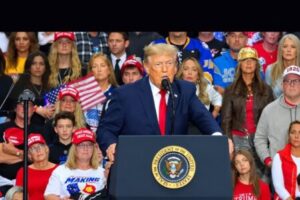
The address itself marked a departure from Trump’s typically energetic public appearances. Delivered in a subdued tone within a dimly lit setting, the speech focused largely on reiterating established positions rather than introducing new policy direction.
While the prime-time platform offered an opportunity to reset the narrative, the lack of clarity on key issues—particularly the war’s endgame—may limit its effectiveness. Observers noted that the restrained delivery contrasted with the gravity of the situation and the expectations surrounding the address.
As the conflict enters a critical phase, the administration faces mounting pressure to provide a clearer roadmap—both to the American public and to international partners navigating the consequences of an evolving geopolitical crisis.
FoSEnYRcnzkCFxcrkTIkEJxP