



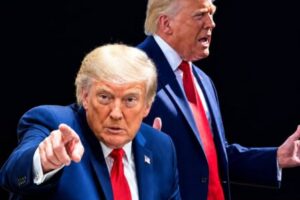




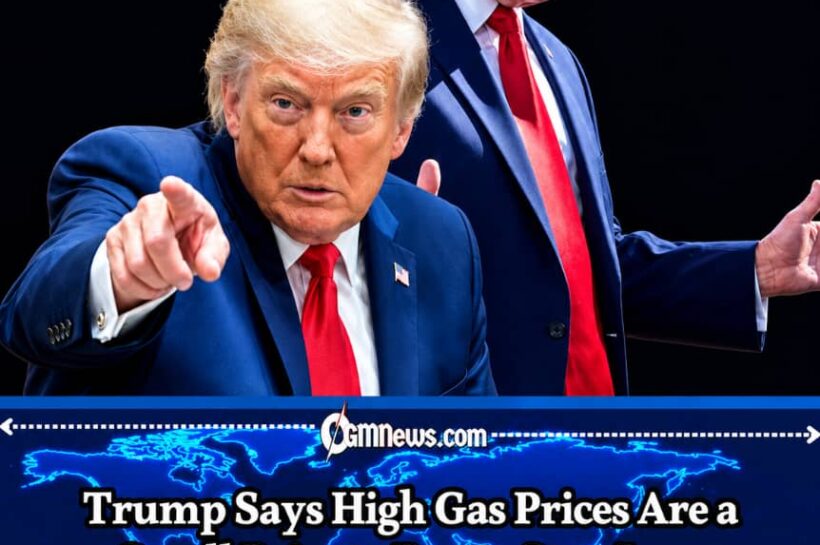
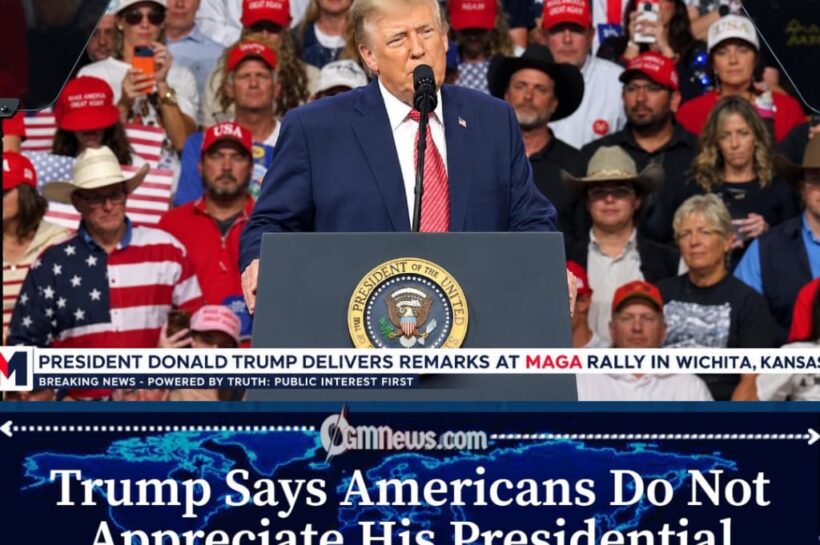
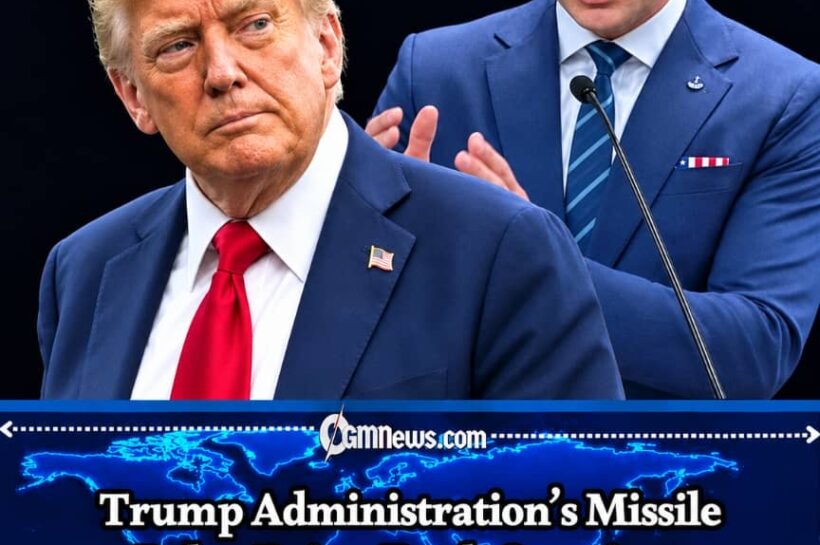




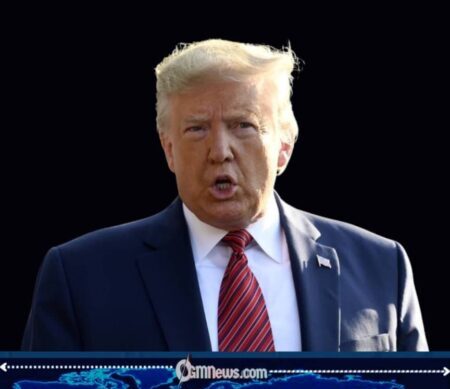
U.S. President Donald Trump has described the ongoing conflict with Iran as a “true investment in your children’s and grandchildren’s future,” a statement that has triggered widespread debate across political, economic, and public spheres. The remark reflects the administration’s broader effort to justify military action as a strategic move aimed at long-term global stability.
President Donald Trump’s characterization has drawn both support and criticism, with analysts examining the implications of framing war in economic and generational terms. The statement comes amid heightened tensions, rising global energy concerns, and ongoing debates over domestic spending priorities.
Trump’s Justification: Security and Strategic Outlook
President Donald Trump has consistently framed the Iran conflict as a necessary step to ensure long-term security for the United States and its allies. By describing the war as an “investment,” he emphasized the idea that present sacrifices could prevent larger and more costly threats in the future.
According to administration officials, the strategy focuses on weakening Iran’s military capabilities and limiting its ability to influence regional dynamics. Supporters argue that such measures could reduce the likelihood of prolonged instability in the Middle East.
President Donald Trump has also suggested that decisive action now may avert future conflicts, positioning the war as part of a broader vision for sustained geopolitical balance.
Economic Implications: Global Markets and Energy Concerns
The conflict has already had measurable effects on global markets, particularly in the energy sector. Oil prices have experienced volatility, with analysts warning that disruptions in key shipping routes could further impact supply and pricing.
Economic observers note that prolonged instability in the region could contribute to inflationary pressures worldwide. For many countries, including those heavily dependent on energy imports, the situation presents significant challenges.
While President Donald Trump has framed the war as a long-term investment, critics point to immediate economic consequences as evidence of the complexity involved in such a characterization.
Domestic Policy Debate: Spending Priorities Under Scrutiny
The president’s remarks have intensified discussions about domestic spending priorities. Critics argue that increased military expenditure has coincided with proposed reductions in funding for programs such as healthcare, education, and social assistance.
These concerns have been raised by policymakers and advocacy groups who question whether resources are being allocated effectively. They argue that investments in domestic infrastructure and social services could yield more immediate benefits for citizens.
Supporters of President Donald Trump, however, contend that national security remains a foundational responsibility of government and that safeguarding the country justifies the allocation of resources toward defense.
Political Reactions: Divided Responses Across the Spectrum
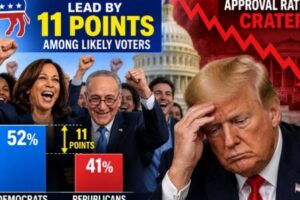
Reactions to President Donald Trump’s statement have been sharply divided. Some political leaders and commentators view the “investment” framing as a strategic perspective on national security, emphasizing long-term planning.
Others have criticized the language, arguing that it risks downplaying the human and financial costs of war. They contend that describing conflict in economic terms may not fully capture its broader consequences.
The debate reflects deeper divisions within the political landscape, with differing views on how best to balance security, economic stability, and social welfare.
Strategic Context: Objectives and Uncertainties
The administration’s stated objectives include limiting Iran’s military reach and preventing the development of capabilities that could threaten regional stability. Analysts note that achieving these goals involves complex and evolving challenges.
There is ongoing discussion about the clarity and consistency of the strategy, as well as the potential for unintended consequences. Experts emphasize that conflicts of this nature often have unpredictable outcomes.
President Donald Trump’s framing of the war as an investment highlights a forward-looking approach, but it also raises questions about the metrics by which such an investment can be evaluated.
Global Perspective: Allies, Critics, and Long-Term Impact
International reactions to the conflict and to President Donald Trump’s remarks have varied. Some allies have expressed cautious support for efforts aimed at maintaining stability, while others have called for restraint and diplomatic solutions.
Global institutions and analysts continue to monitor the situation, particularly its potential impact on trade, energy markets, and regional security. The long-term consequences remain uncertain.
The framing of war as an investment has added a new dimension to the discourse, prompting reflection on how nations justify and communicate major policy decisions.
President Donald Trump’s description of the Iran war as a “true investment” has brought renewed attention to the intersection of security, economics, and political messaging. While supporters see a strategic rationale aimed at safeguarding future generations, critics question the immediate and long-term costs.
As the conflict continues to unfold, the debate underscores the complexity of modern warfare and the challenges of balancing national priorities. The discussion is likely to remain central to both domestic politics and international relations in the months ahead.

Logging in is a breeze and the site stability is amazing even during peak hours....