











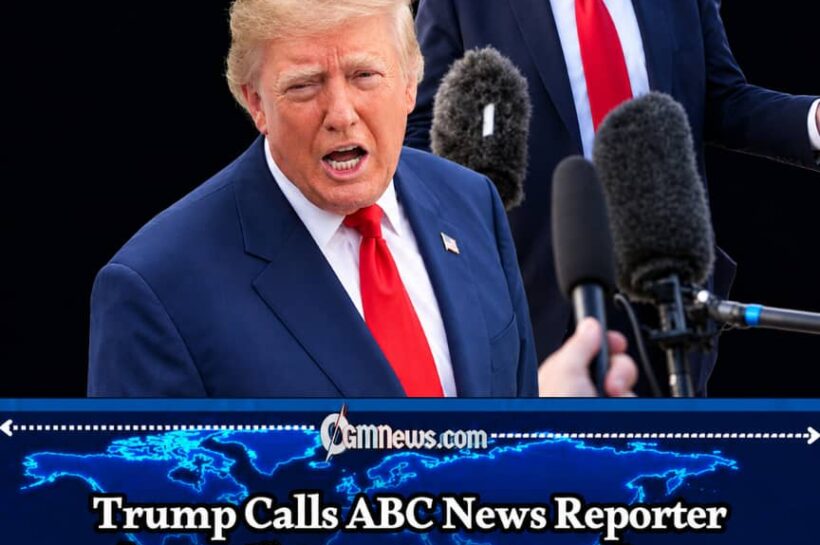



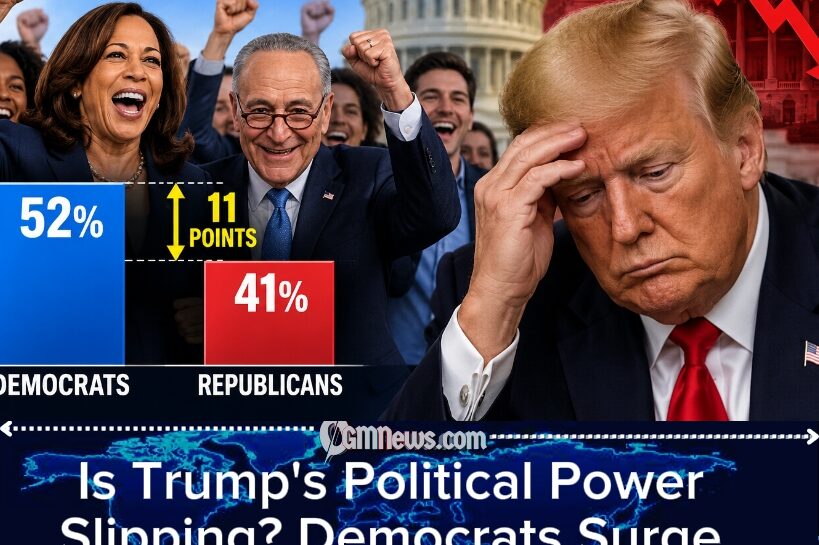

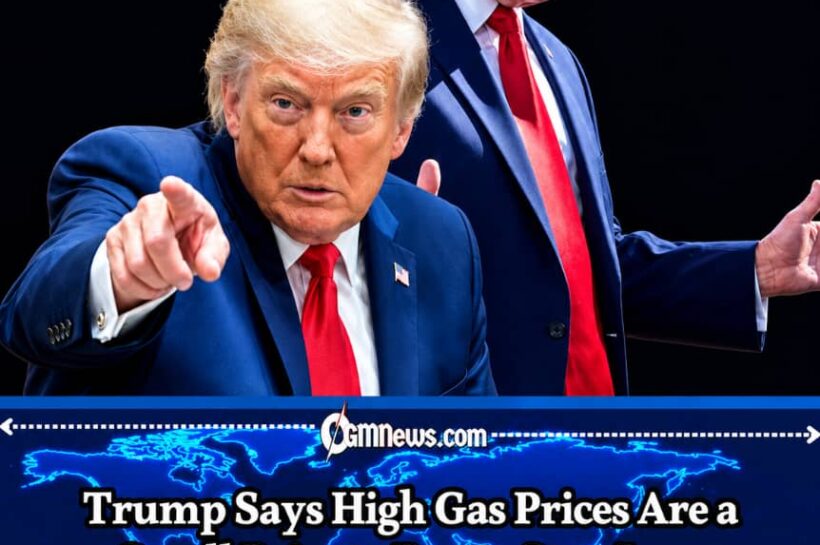


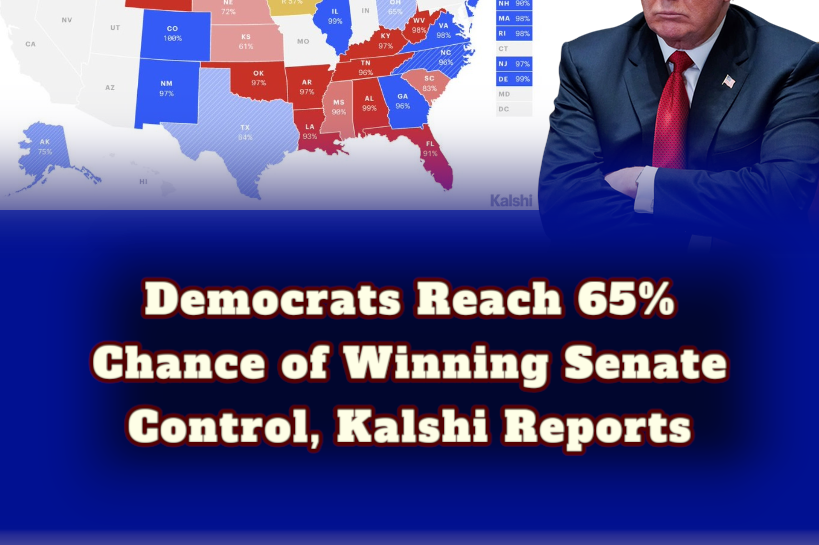








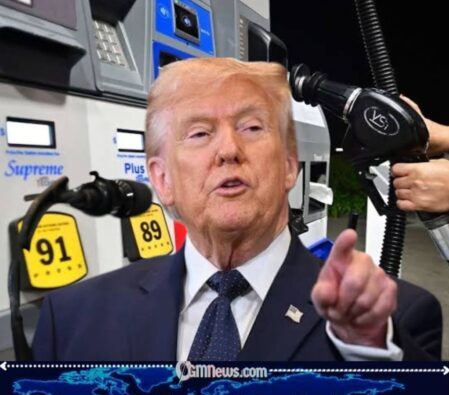
President Donald J. Trump is facing an awkward mathematical encounter with the American gas pump after claiming that he has brought fuel prices down from the highs of the Biden administration. The problem is that current national averages tell a rather different story: AAA put regular gasoline at about $4.09 per gallon on July 30, and its latest data put the national average at about $4.09 on August 19.
Trump’s comments come as gasoline prices have become an increasingly uncomfortable political issue for the White House. Prices have been pushed upward by disruptions in global oil markets, particularly the continuing crisis around the Strait of Hormuz. Reuters reported this month that gasoline had risen roughly 29% from a year earlier, creating another headache for the president ahead of the midterm elections.
Trump Meets the Gas Pump and the Numbers Fight Back
Trump has repeatedly argued that energy prices are falling under his administration, but the latest figures make that argument difficult to reconcile with what motorists are seeing nationwide. AAA recorded the national average at $3.91 on June 25, meaning prices subsequently climbed above $4 again as crude oil prices and geopolitical tensions intensified.
In the satirical version of Washington mathematics, Trump appears to have discovered a special kind of fuel gauge that reports the price he wants while millions of American drivers are apparently operating a completely different model. At the pump, however, the cashier remains stubbornly committed to the number displayed on the screen.
The contrast has given journalists and political opponents plenty of ammunition. When Trump says gas is cheaper while the national average sits around four dollars a gallon, reporters do not need to invent a punchline—the numbers have apparently volunteered for the job themselves.
Trump’s Gasoline Argument Collides With a Bigger Energy Crisis
The administration can point to periods when gasoline prices did fall. AAA reported several consecutive weeks of declines in June, with the national average dropping below $4 for a short period. But the relief did not last: by July 23, the national average had climbed to $4.09, with oil-market instability cited as a major factor.
The broader problem is that the current energy market is being heavily influenced by events beyond the White House’s immediate control. The prolonged conflict involving Iran and disruptions around the Strait of Hormuz have sharply affected global oil flows, with Reuters reporting that shipments through the waterway had fallen dramatically.
Trump has meanwhile acknowledged that Americans are paying more at the pump, arguing that the higher prices are part of the economic cost of confronting Iran. That leaves the president facing an increasingly uncomfortable political equation: explaining why gasoline became more expensive while maintaining that his administration is delivering cheaper energy. OGM News will continue following Trump’s claims, the gasoline numbers and the White House’s efforts to bring prices down, because the next report from the pump may prove considerably harder to argue with than the last one.


Logging in is a breeze and the site stability is amazing even during peak hours....