




























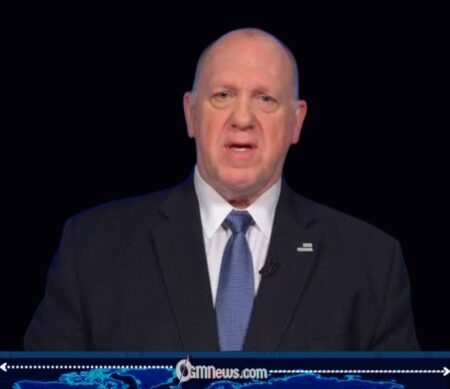
Suspicion has become the center of a fierce political and legal debate after Trump border adviser Tom Homan acknowledged that U.S. citizens may occasionally be briefly detained during ICE enforcement operations. While insisting that citizens are ultimately released and never deported once their identity is confirmed, Homan’s remarks have intensified concerns about the balance between immigration enforcement, constitutional rights, and government authority in modern America.
The controversy arrives amid continuing national arguments over border security, deportation policies, and the expansion of immigration enforcement operations under President Donald Trump’s administration. Supporters of tougher enforcement measures argue that officers must often make rapid decisions based on incomplete information during high-pressure situations. Critics counter that detaining citizens based on suspicion, even temporarily, raises serious civil liberties concerns and risks normalizing government overreach in the name of immigration control. Somewhere between national security and bureaucratic confusion, Americans are once again debating how much power is too much power.
Tom Homan: The Suspicion Debate and ICE Enforcement Practices
Tom Homan defended the practice by arguing that immigration officers may temporarily detain individuals when there is reasonable suspicion that they are subject to deportation proceedings. He acknowledged that U.S. citizens may sometimes be caught up in these operations but maintained that they are released after verification and are not deported.
The comments immediately attracted criticism from immigration advocates and constitutional law experts, many of whom warned that mistaken detentions involving citizens could undermine public trust in law enforcement institutions. Civil liberties organizations have long argued that aggressive immigration crackdowns increase the likelihood of profiling, documentation disputes, and wrongful detentions, particularly in communities where immigration enforcement operations are highly visible. Supporters of the administration, however, continue insisting that immigration officers face difficult operational realities that require flexibility and rapid decision-making.
Civil Liberties, Border Politics, and Public Anxiety
Immigration enforcement remains one of the most politically divisive issues in the United States. President Donald Trump has repeatedly emphasized stronger border controls, expanded deportation operations, and stricter immigration policies as central priorities of his administration. Supporters argue these measures are necessary for national security and the enforcement of immigration laws.
Suspicion-based detentions have therefore become symbolic of a larger national conflict over security, identity, and constitutional protections. Legal analysts note that temporary investigative detentions are permitted under certain legal standards, but critics warn that broad enforcement powers can sometimes lead to errors with significant personal consequences. Several past incidents involving wrongful immigration detentions have already fueled public debate over accountability and oversight within federal enforcement agencies.
For now, the controversy surrounding Tom Homan’s comments is likely to intensify ongoing political battles over immigration policy and civil liberties in America. OGM News understands that the broader discussion may ultimately focus not only on border security itself, but also on how much authority citizens are willing to grant the government in the name of enforcement. In today’s polarized climate, even the word Suspicion now carries enormous political weight.

Logging in is a breeze and the site stability is amazing even during peak hours....