




















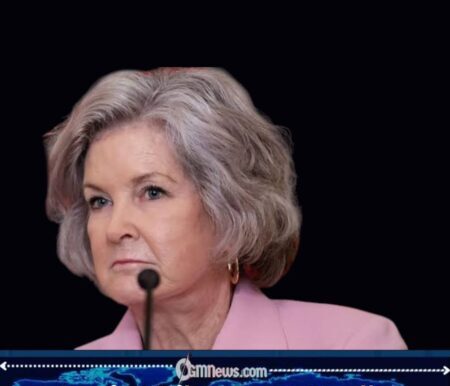
Susie Wiles, White House Chief of Staff, has reportedly demanded that administration staffers stop leaking internal information to the media, according to internal emails that have drawn attention to growing concerns over confidentiality and discipline within the White House. The reported communication emphasized the importance of protecting sensitive discussions and maintaining unity during a politically intense period for the administration.
Leaks from within presidential administrations have long been a major source of tension in Washington, often influencing political narratives, media coverage, and internal trust among senior officials. Information shared anonymously with reporters can shape public perception, disrupt policy messaging, and create friction within government operations.
Susie Wiles’ reported warning therefore reflects broader efforts to reinforce internal discipline and reduce unauthorized disclosures that could complicate the administration’s strategic and political objectives.
INTERNAL PRESSURE OVER CONFIDENTIAL INFORMATION
Susie Wiles has reportedly stressed the importance of protecting internal communications and ensuring that sensitive discussions remain confidential within the administration.
White House operations typically rely heavily on trust and coordination among staff members, making concerns over leaks especially significant during periods of political pressure or heightened media scrutiny.
Wiles’ reported message highlights how unauthorized disclosures can undermine both policy planning and confidence within senior leadership circles.
WILES AND WHITE HOUSE MESSAGE CONTROL
Susie Wiles has played a central role in shaping internal organization and communication strategy within the administration, particularly as political attention intensifies around White House operations.
Susie Wiles’ efforts reportedly focus on maintaining message discipline and preventing conflicting narratives from emerging through unofficial disclosures to reporters or outside sources.
Susie Wiles’ position underscores the importance administrations often place on controlling the timing and framing of information released to the public.
MEDIA LEAKS AND THEIR POLITICAL IMPACT
Leaks from government officials and staffers have historically played major roles in shaping political controversies, exposing internal disagreements, and influencing public debate surrounding administrations from both parties.
Political analysts note that leaks can emerge for many reasons, including ideological disagreements, frustration with leadership decisions, personal rivalries, or attempts to influence policy direction indirectly through public pressure.
The issue remains especially sensitive inside presidential administrations because unauthorized disclosures can quickly dominate news cycles and complicate ongoing political strategies.
SUSIE WILES AND ADMINISTRATIVE DISCIPLINE
Susie Wiles has reportedly emphasized the need for stronger accountability measures regarding the handling of internal communications and sensitive information.
Susie Wiles’ reported stance reflects broader concerns about preserving operational effectiveness and ensuring that policy discussions remain secure before official decisions are announced publicly.
Susie Wiles’ actions may also signal a wider effort to strengthen internal cohesion at a time when media scrutiny surrounding White House activities remains intense.
CONTINUED FOCUS ON TRUST AND INFORMATION SECURITY
Concerns about leaks and information security are expected to remain a major issue for administrations operating in highly competitive political and media environments.
Government officials frequently face the challenge of balancing transparency with the need to protect confidential discussions tied to national strategy, personnel matters, and policy development.
As attention surrounding the reported emails continues, the situation highlights the ongoing tension between internal secrecy, media reporting, and the public’s demand for information about government operations.

Logging in is a breeze and the site stability is amazing even during peak hours....