




























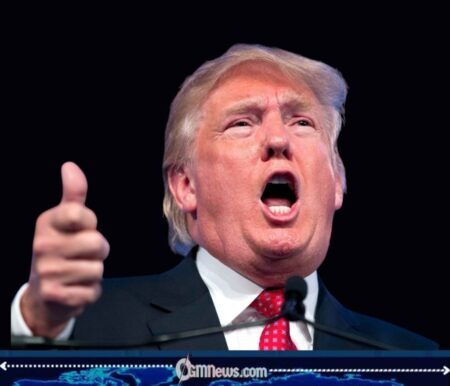
GRIFT allegations surrounding President Donald J. Trump have exploded across political circles after critics accused the administration of allegedly using government power and taxpayer-backed resources in ways that benefit personal and political interests. The controversy has reignited fierce debate over ethics, transparency, and the growing overlap between political influence and private gain in Washington. While supporters insist Trump is simply rewarding loyal allies and advancing his agenda, opponents argue the accusations reflect something far more troubling — the normalization of self-enrichment through public office.
The accusations come amid broader national concerns over political spending, federal contracts, campaign fundraising, and presidential authority. Ethics experts and political analysts have repeatedly warned that modern American politics increasingly rewards influence networks capable of blending business interests with government operations. Trump’s critics claim the latest allegations fit into a larger pattern that has followed him throughout both business and political life, while allies dismiss the outrage as another attempt to weaken his presidency through media narratives and partisan attacks.
Allegations of Power, Profit, and Political Loyalty
The original claims center on accusations that Trump allegedly leveraged government influence in ways that indirectly support personal branding, private business relationships, and political allies. Critics point to controversies involving government spending decisions, donor relationships, travel expenditures, and business-linked promotional opportunities that they argue create the appearance of conflicts of interest. Although no court ruling has formally established criminal wrongdoing connected to the newest allegations, the public debate has intensified as watchdog groups demand increased oversight and transparency.
GRIFT concerns have also fueled renewed criticism over the broader culture of political favoritism in Washington. Opponents argue that taxpayer-funded operations should remain completely separated from personal gain, regardless of political affiliation. Satirical commentary online has mocked what critics describe as a “subscription-based government,” where loyalty and influence allegedly hold greater value than accountability. Trump supporters, however, maintain that many accusations rely heavily on political interpretation rather than direct legal findings, insisting the administration’s decisions are consistent with broader presidential authority.
Expanding Questions Over Ethics and Presidential Accountability
Recent discussions surrounding presidential ethics have become increasingly intense following years of legal and political disputes involving executive privilege, immunity debates, and financial disclosure controversies. Experts note that American presidents traditionally face scrutiny over potential conflicts between public service and private business interests, but Trump’s extensive corporate background has amplified those concerns to unprecedented levels. Legal analysts continue to debate whether existing ethics laws are strong enough to prevent future administrations from facing similar controversies.
GRIFT debates have additionally highlighted growing public frustration with the perception that powerful political figures often operate under different standards from ordinary citizens. Across social media platforms, frustration has mixed with humor as users create viral jokes about taxpayer-funded luxury lifestyles and political branding campaigns. Yet beneath the memes lies a serious national discussion about whether Americans are witnessing the evolution of a political system where public office increasingly serves personal influence rather than public trust.
As scrutiny surrounding the allegations continues to grow, political observers expect the controversy to remain a central issue in upcoming congressional debates and election messaging. OGM News will continue monitoring developments, particularly as the GRIFT accusations fuel larger questions about ethics, executive power, and the future boundaries of presidential accountability in the United States.


Ae888covenuscasino, okay, I'm curious. Gonna check out this site and try to find some amazing...