




















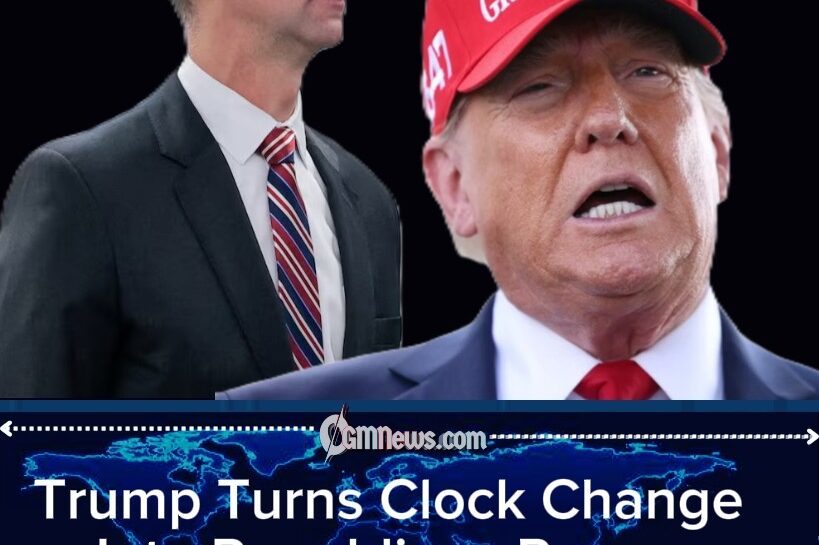
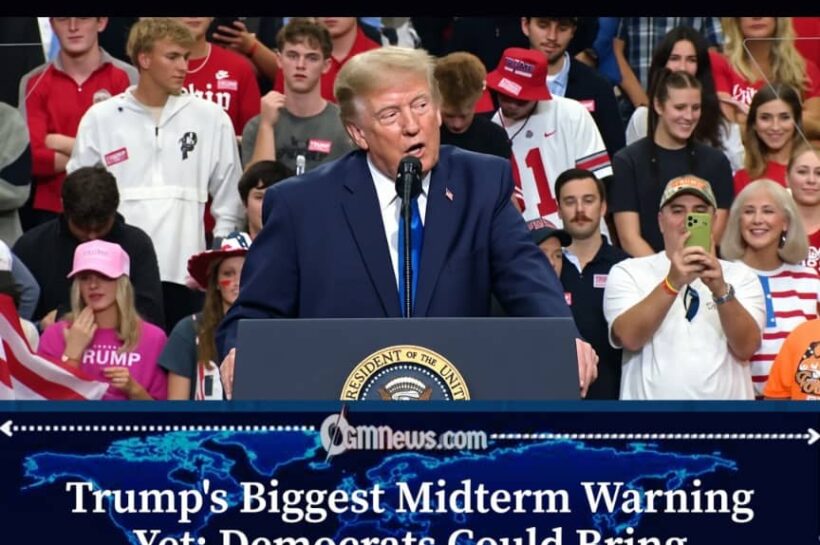
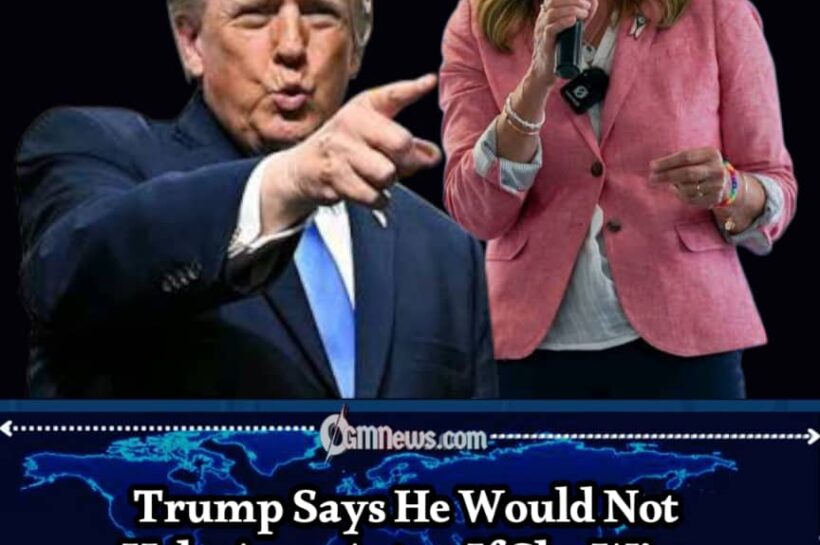



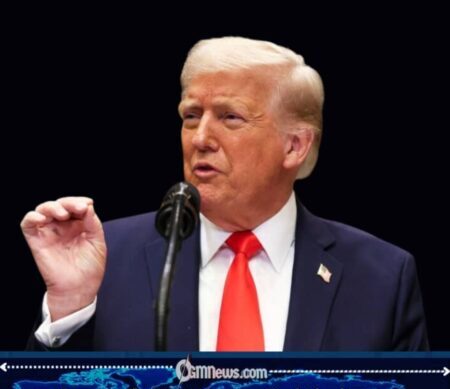
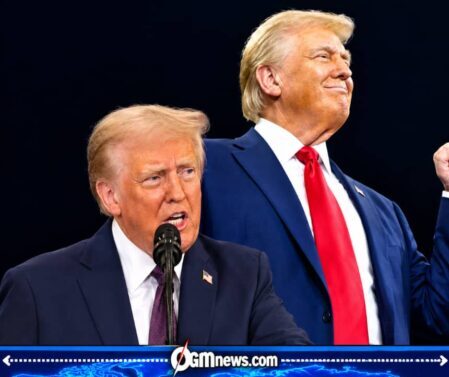
President Donald Trump, currently serving a second term, has intensified political tensions in Washington after declaring, “I don’t care about the Democrats. The Democrats hate our country.” The remark reflects a continuation of his longstanding combative rhetoric toward political opponents and has drawn renewed attention amid an already polarized national climate.
The statement comes at a time when domestic political disagreements intersect with major international challenges, including ongoing tensions involving Iran. Observers note that such language underscores the widening divide between the two major U.S. political parties.
While supporters view the comment as a direct expression of political conviction, critics argue that it risks deepening divisions and undermining constructive dialogue.
Trump’s Rhetoric and Its Political Context
Donald Trump has frequently employed strong language to characterize his political opponents, often framing disagreements in terms of patriotism and national identity. His latest remarks align with a pattern of statements in which he has accused Democrats of acting against the country’s interests.
Political analysts suggest that this rhetorical style is designed to resonate with core supporters by emphasizing clear distinctions between competing visions for the nation. By presenting political opposition in stark terms, Trump reinforces a narrative of ideological conflict rather than policy disagreement.
At the same time, such language contributes to an environment in which bipartisan cooperation becomes increasingly difficult, particularly on issues requiring unified national responses.
Reactions From Democrats and Political Leaders
Democratic leaders and lawmakers have historically rejected assertions that they are unpatriotic or opposed to national interests. While immediate responses to this specific remark continue to emerge, past reactions to similar statements have emphasized the importance of distinguishing policy disagreements from questions of loyalty.
Critics argue that framing political opponents as adversaries to the nation risks eroding trust in democratic institutions. They contend that such rhetoric may alienate voters and discourage constructive engagement across party lines.
Nevertheless, supporters of Donald Trump often interpret his statements as candid and reflective of broader frustrations with political opposition, illustrating the deeply divided perceptions surrounding his leadership style.
The Role of Political Messaging in a Polarized Era
The use of emotionally charged language has become a defining feature of modern political communication in the United States. Donald Trump’s statement highlights how political messaging increasingly centers on identity, loyalty, and themes rather than solely on policy issues.
Experts note that such rhetoric can be effective in mobilizing supporters, particularly in a media landscape driven by rapid information exchange and social media amplification. Strong statements often generate widespread attention and reinforce group alignment.
However, this approach also carries risks, including the potential to deepen societal divisions and limit opportunities for compromise in governance.
Broader Implications for Governance and Public Discourse
The political rhetoric raises broader questions about the future of governance in the United States. Effective policymaking often depends on collaboration across party lines, particularly during periods of crisis.
When political discourse becomes highly polarized, it can complicate efforts to address complex issues such as national security, economic stability, and international relations. Observers warn that sustained divisions may weaken institutional effectiveness over time.
At the same time, robust debate remains a fundamental aspect of democratic systems, highlighting the challenge of balancing strong political expression with the need for constructive engagement.
Outlook: Navigating Division in a Complex Political Landscape
As the United States navigates a period of both domestic and international challenges, the tone of political leadership will remain a key factor shaping public discourse. Donald Trump’s remarks illustrate the intensity of partisan divisions and the difficulty of bridging ideological gaps.
While it remains unclear how such statements will influence policy outcomes, they are likely to continue shaping political narratives and voter perceptions. Analysts expect that rhetoric will play a central role in defining the national conversation in the months ahead.
Ultimately, the ability of political leaders to balance firm convictions with efforts toward unity may prove critical in determining the direction of governance and public trust.
[…] […]