












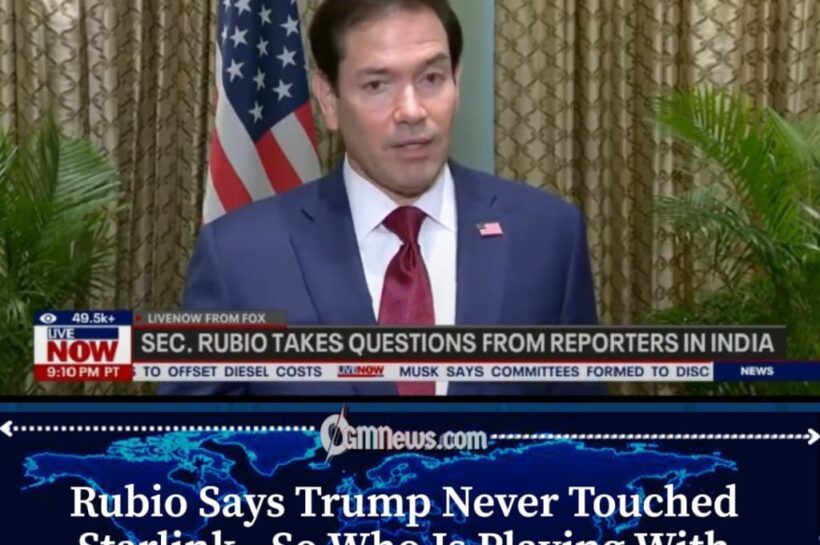
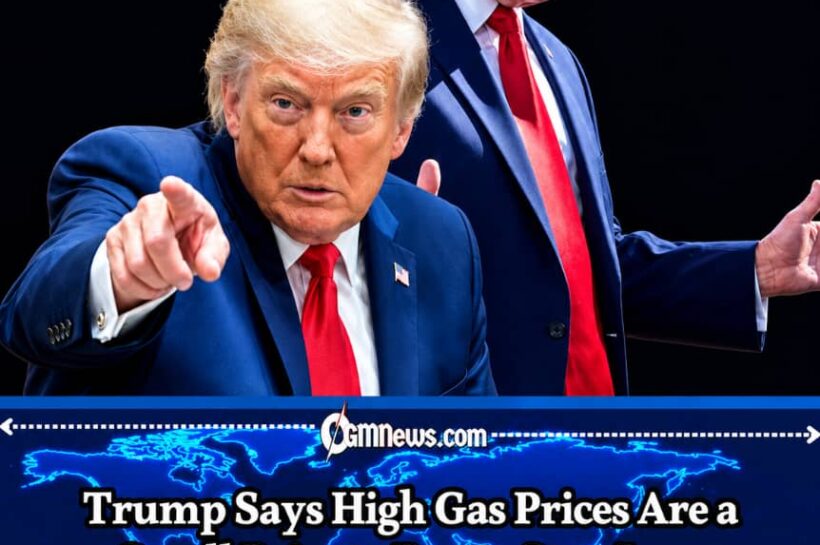






WASHINGTON — Rural America is increasingly becoming the center of a political story that few analysts expected to develop this quickly. The MAGA Heartland, long regarded as one of President Donald Trump’s strongest electoral foundations, is showing signs of frustration as rising fuel costs, expensive groceries and mounting farm pressures force many voters to reconsider whether economic gains are matching political promises. Behind the polling numbers lies a more consequential question: what happens when a president’s most reliable supporters begin measuring success at the gas pump and checkout counter rather than at campaign rallies?
The MAGA Heartland Sends a Warning: Rising Prices Are Testing Trump’s Loyal Base
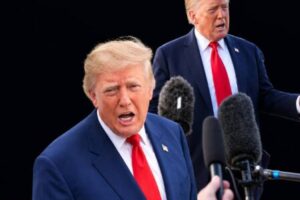
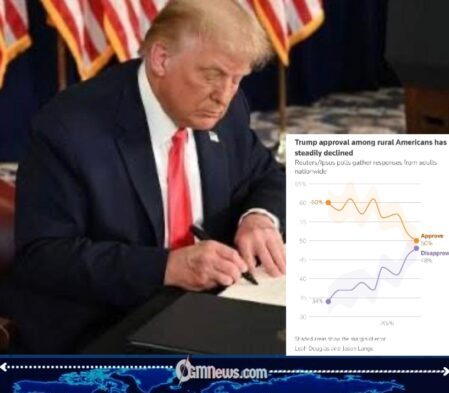
The MAGA Heartland remains overwhelmingly important to Trump’s political coalition, but recent polling indicates a noticeable decline in enthusiasm. A June 3–8 Reuters/Ipsos survey found Trump’s approval rating among rural Americans at 50%, down from 60% shortly after he returned to office in early 2025. At the same time, rural disapproval rose from 34% to 48%, reflecting growing concerns about economic conditions and living costs.
Among the most striking findings is the sharp deterioration in perceptions of Trump’s handling of the economy and cost of living. Only about 31% of rural respondents approved of his management of those issues, while a clear majority expressed dissatisfaction. Many rural residents face unique economic pressures because they travel longer distances for work, healthcare and daily activities. For farmers, rising diesel and fertilizer costs have collided with weak crop prices and trade-related export challenges, creating a difficult environment that extends beyond traditional partisan loyalties.
Cost of Living Becomes Key Issue as Trump Faces Growing Rural Discontent
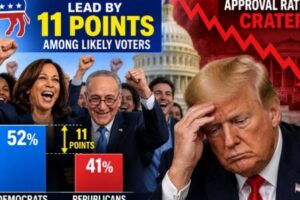
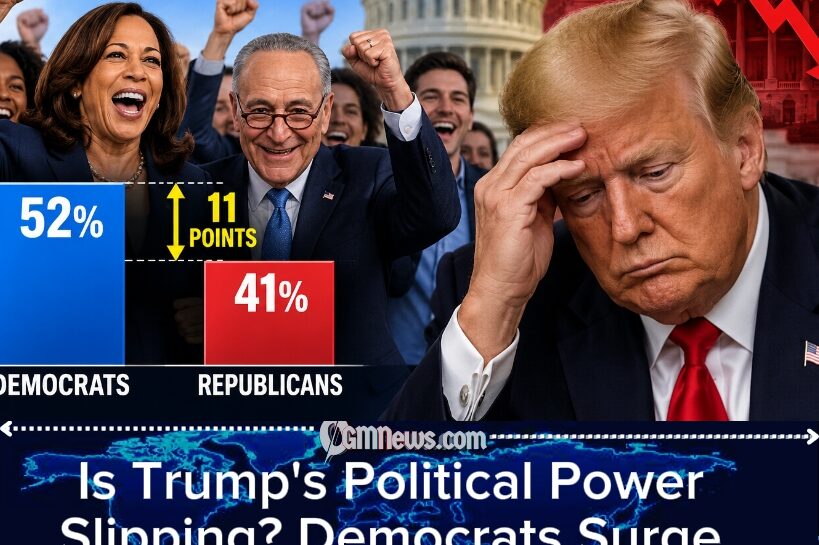
The challenges confronting the MAGA Heartland are unfolding against a broader backdrop of national economic anxiety. Recent polling has shown President Trump’s overall approval rating near historic lows, with concerns over fuel prices remaining particularly significant. Many Americans expect gasoline costs to continue rising, while debates surrounding the ongoing conflict involving Iran have intensified worries about energy markets and household expenses.
Beyond fuel prices, broader concerns about affordability are becoming increasingly prominent. Rural communities often experience inflation differently from urban centers because residents depend heavily on personal vehicles and face greater transportation distances. Some voters also worry about issues extending beyond immediate economic concerns, including water usage, infrastructure expansion and the long-term impact of technological developments such as data centers and artificial intelligence. The result is a growing sense that economic pressures are accumulating faster than solutions are arriving.
The MAGA Heartland is not abandoning Trump en masse, and rural America remains one of the Republican Party’s strongest constituencies. However, the latest polling suggests that loyalty alone may not shield any political leader from the realities of household economics. As fuel prices, grocery costs and agricultural challenges continue to shape daily life, the coming months may reveal whether these frustrations represent a temporary warning or the beginning of a deeper political shift. OGM News will continue monitoring developments as the midterm election season approaches.


Logging in is a breeze and the site stability is amazing even during peak hours....