




























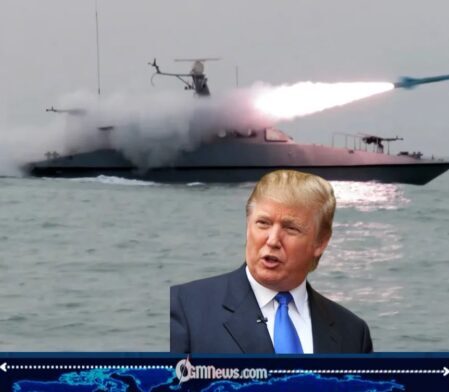
The Strait of Hormuz has once again become the focal point of global security concerns after the United States launched a fresh wave of airstrikes against Iranian military targets in response to an alleged attack on a commercial vessel by the Islamic Revolutionary Guard Corps (IRGC). The latest military action has heightened fears of another dangerous chapter in the long-running tensions between Washington and Tehran, with analysts warning that every new exchange raises the stakes for regional stability, international trade and the global energy market.
U.S. Responds to Alleged Iranian Attack on Commercial Shipping
According to senior U.S. officials, the military operation targeted key components of Iran’s defence network, including air defence systems, drone storage facilities, cruise missile infrastructure, targeting radars, mine-laying capabilities and surface-to-air missile systems. The strikes came shortly after reports that an IRGC drone attacked another commercial vessel transiting the Strait of Hormuz, one of the world’s busiest maritime trade routes. Washington says the objective was to weaken Iran’s ability to threaten commercial shipping while avoiding civilian infrastructure.
The latest operation reinforces the United States’ long-standing commitment to protecting freedom of navigation through international waterways. President Donald J. Trump’s administration has consistently maintained that attacks on commercial vessels crossing the Gulf will trigger a firm military response. While U.S. officials describe the strikes as defensive and proportionate, critics argue that repeated retaliation risks deepening an already volatile conflict. As diplomacy struggles to keep pace, the missiles appear to be doing most of the talking—a reminder that peace often finds itself waiting in a very long queue.
Strait of Hormuz: Growing Regional Tensions Raise Global Economic Concerns
The Strait of Hormuz remains one of the world’s most strategically important waterways, carrying roughly one-fifth of globally traded crude oil. Any disruption within the narrow passage immediately attracts worldwide attention because of its potential impact on oil prices, shipping costs, insurance premiums and international supply chains. Previous incidents involving tankers, drones and naval confrontations have repeatedly demonstrated how quickly local military exchanges can evolve into global economic concerns.
Beyond the immediate exchange of fire, the latest developments also highlight the increasing role of drones, precision-guided missiles and advanced surveillance systems in modern warfare. Security experts note that conflicts are becoming increasingly technology-driven, allowing rival nations to project military strength without deploying large conventional forces. While both Washington and Tehran insist they are acting to protect their national interests, the growing frequency of military encounters leaves diplomats with an increasingly difficult task. For now, commercial vessels continue to navigate the Strait of Hormuz under heightened security, while governments and financial markets closely monitor what could become the next turning point in an already fragile regional crisis.
The renewed confrontation serves as another reminder that events in the Strait of Hormuz rarely remain confined to the Middle East. Every attack, retaliation and military warning has the potential to influence global energy markets, international diplomacy and regional security. Whether the coming days bring further military action or a renewed push for diplomacy remains uncertain, but the world’s attention is once again fixed on one of its most strategically important waterways. OGM News will continue to monitor verified developments and provide timely updates as the situation unfolds.


[…] […]