























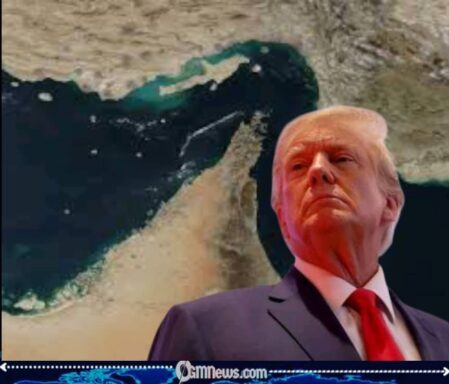
Strait of Hormuz has become the center of an extraordinary diplomatic standoff after Iran issued a sweeping set of conditions for reopening the crucial waterway, while a vessel linked to the United Arab Emirates was reportedly targeted by an Iranian missile. Tehran’s demands include an end to U.S. military action, the lifting of sanctions, the release of frozen Iranian assets and compensation for damage caused during the conflict.
The timing makes the development particularly striking. Negotiations involving Oman have reportedly moved closer to an understanding on navigation through the waterway, but Iran says an agreement with Oman alone will not be enough to restore normal traffic. Instead, Tehran has tied a full reopening to concessions from Washington, creating a diplomatic test for President Donald J. Trump at the same time that military tensions remain elevated.
Strait of Hormuz Becomes Tehran’s Biggest Bargaining Chip
Iran’s position gives the Strait of Hormuz enormous leverage in negotiations because the waterway is a critical route for global energy shipments. Any prolonged disruption can affect oil and gas flows, shipping costs and inflation, making the dispute an international economic issue rather than simply a confrontation between Washington and Tehran.
The reported conditions go well beyond the immediate question of navigation. Iranian officials have called for the removal of U.S. military pressure around Iran, sanctions relief, access to frozen funds and compensation for what Tehran describes as damage caused by the war. Iran has also demanded an end to attacks against its regional allies and an end to threats against the country.
Ship Attack Complicates Hopes for a Deal
The diplomatic picture has been further complicated by the reported attack on a UAE vessel. The United Arab Emirates said one of its ships was targeted by an Iranian missile, underscoring the danger facing commercial shipping even as diplomatic contacts continue.
The contradiction is difficult to ignore: Tehran is simultaneously discussing conditions for reopening one of the world’s most important waterways and maintaining military pressure that threatens shipping in the same region. That creates an unusually high-stakes negotiation in which every incident at sea could influence the political calculations in Washington, Tehran and Gulf capitals.
Adding a touch of satire, Iran appears to have handed Washington a diplomatic menu with eight courses while keeping the restaurant’s front door firmly locked.
Whether Trump accepts any of Tehran’s conditions remains uncertain, but the central reality is becoming increasingly difficult to avoid: Strait of Hormuz is no longer simply a shipping route in this crisis. It has become one of the most powerful bargaining chips on the negotiating table.


mjpKyJqtopJmUkjsHEeNp