


















Tehran has reportedly raised the diplomatic temperature over the Strait of Hormuz, insisting that the United States must first meet a long list of conditions before the strategic waterway can fully reopen. Iran’s national security officials say Washington must lift the naval blockade, withdraw military forces, end the conflict permanently, and address other grievances before ships can return to normal movement. Reports also indicate that Iran and Oman are nearing an arrangement on managing the key maritime route, but Tehran says that agreement alone will not unlock the strait.
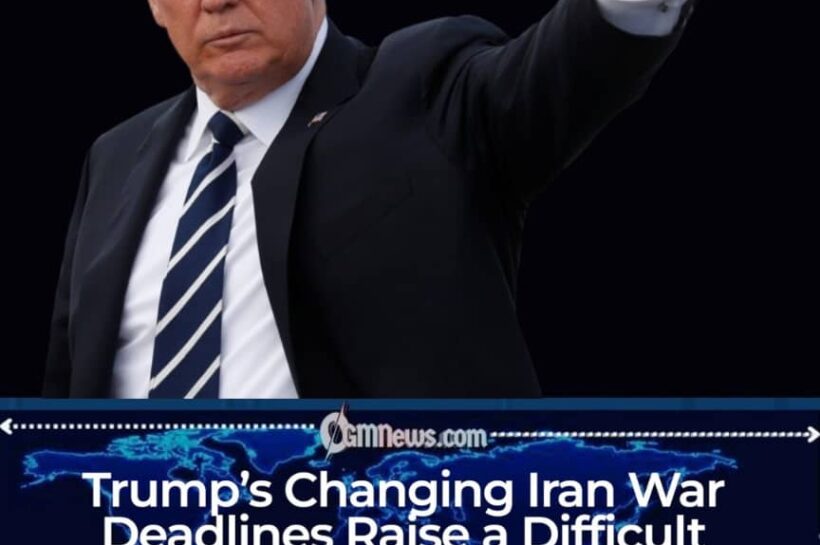
The latest development has transformed the world’s energy corridor into a diplomatic waiting room, where every side appears to be holding a different ticket number. While Iran presents its demands as necessary corrections, the United States under President Donald J. Trump has maintained that the waterway cannot become controlled by a single country and that any deal must protect international shipping access.
Tehran’s “Before You Enter, Read the Rules” Notice
In what observers have described as a high-stakes geopolitical checklist, Iranian officials released demands that sound less like a simple reopening request and more like a full negotiation package. Tehran’s conditions reportedly include removing U.S. naval pressure, withdrawing American forces from the region, ending hostilities permanently, and addressing financial and political disputes linked to the conflict.
Satirically speaking, the Strait of Hormuz appears to have received a new security guard named “Diplomacy,” standing at the entrance with a clipboard asking every visitor: “Have you settled your disputes, signed the paperwork, and brought peace as your identification?” Analysts say the disagreement highlights how a narrow waterway has become the centre stage for a much larger argument over power, security, and influence.
Oman Steps In With the Diplomatic Toolbox
Oman has emerged as a key mediator, with Tehran and Muscat signaling progress toward a possible framework for managing traffic through the strait. However, Iranian officials have warned that technical arrangements with Oman will not automatically reopen the passage unless broader issues with Washington are resolved.
The diplomatic theatre has created a strange situation where everyone appears to agree that the ships should move, but nobody wants to move first. The vessels are waiting, markets are watching, and negotiators are reportedly searching for the magic sentence that can turn a political standoff into an operational agreement.
Global Shipping Watches the Hormuz Chess Match
The Strait of Hormuz remains one of the world’s most important energy routes, meaning every political move around it attracts global attention. A prolonged dispute could affect shipping confidence, energy markets, and international relations, making the negotiations far bigger than a disagreement between two governments.
For now, the situation resembles a diplomatic auction where each side keeps raising the price of compromise. Iran wants concessions before opening the door, while Washington insists that freedom of navigation and international rules must remain central to any settlement.
As Tehran and Washington continue their high-pressure negotiations over the Strait of Hormuz, the world is watching to see whether diplomacy can finally move faster than the ships waiting at sea. OGM News will continue monitoring the unfolding Hormuz drama, where the next announcement could either open the gateway for global trade or add another chapter to the ongoing geopolitical showdown.


[…] […]