



























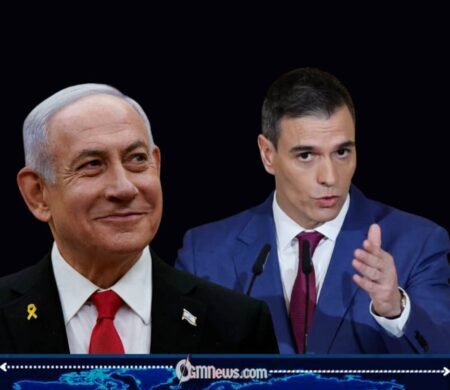
Spanish Prime Minister Pedro Sánchez has taken a firm stance against Israeli authorities following restrictions that disrupted Palm Sunday celebrations in Jerusalem. Speaking on behalf of the Spanish government, Pedro Sánchez described the situation as an “unjustified attack on religious freedom,” urging immediate respect for the rights of Christian worshippers.
Pedro Sánchez emphasized that freedom of religion is a fundamental principle under international law and must be upheld regardless of security circumstances. His remarks quickly gained international attention, positioning Spain at the forefront of diplomatic criticism over the incident.
The comments by Pedro Sánchez reflect a broader concern among global leaders about access to holy sites, especially in a city as religiously significant as Jerusalem.
Pedro Sánchez Calls for Accountability and Respect for Faith
Continuing his response, Pedro Sánchez called on Israeli authorities to provide clear explanations for the restrictions imposed during one of Christianity’s most sacred observances. Pedro Sánchez stressed that such actions, without transparency, risk undermining trust between governments and religious communities.
Pedro Sánchez further urged Israel to ensure that its policies align with international norms, particularly those protecting religious diversity and freedom of worship. He noted that security concerns, while important, should not override fundamental human rights.
By reiterating these points, Pedro Sánchez reinforced Spain’s commitment to defending civil liberties on the global stage.
Palm Sunday Disruptions at a Sacred Christian Site
The controversy centers around restrictions at the Church of the Holy Sepulchre, widely regarded as one of Christianity’s holiest locations. Traditionally, Palm Sunday marks the beginning of Holy Week, drawing thousands of pilgrims and clergy to Jerusalem.
However, this year’s observances were significantly affected. Reports indicate that access to the church was limited, preventing key religious figures from conducting traditional ceremonies. Worshippers also faced barriers, leading to canceled processions and reduced attendance.
The disruption has been described by church authorities as highly unusual, raising concerns about the precedent it may set for future religious gatherings.
Israel’s Justification Amid Heightened Security Concerns
Israeli officials, under the leadership of Benjamin Netanyahu, defended the restrictions as necessary for public safety. Authorities cited ongoing regional tensions, including threats linked to Iran, as a key factor behind the decision.
According to officials, the Old City of Jerusalem presents unique security challenges due to its dense population and limited infrastructure. Measures were reportedly implemented to prevent potential incidents during large gatherings.
While Israel maintains that the restrictions were precautionary and temporary, critics argue that the lack of clear communication contributed to international backlash.
International Reaction and Growing Diplomatic Pressure
The response to the incident has extended beyond Spain, with several global leaders expressing concern. Figures such as Emmanuel Macron and Giorgia Meloni have reportedly highlighted the importance of safeguarding religious freedoms.
The remarks by Pedro Sánchez have played a significant role in amplifying the issue, drawing attention to the broader implications for international relations. Analysts note that such incidents can strain diplomatic ties, particularly when they involve sensitive religious matters.
This growing pressure underscores the importance of balancing national security with respect for fundamental rights in globally significant locations.
Balancing Security and Religious Freedom in a Fragile Region
The situation highlights the ongoing challenge of maintaining security while protecting civil liberties in conflict-prone regions. Governments often face difficult decisions when addressing potential threats, especially in areas with deep religious and historical significance.
Experts suggest that greater coordination with religious authorities and improved communication could help prevent similar controversies in the future. Transparency, they argue, is key to maintaining trust among affected communities.
As debates continue, the role of leaders like Pedro Sánchez remains central in advocating for a balanced approach that respects both safety and fundamental freedoms.
A Defining Moment for Religious Rights and Diplomacy
The Palm Sunday restrictions in Jerusalem have sparked a significant international response, with Pedro Sánchez emerging as one of the most vocal critics. His repeated calls for accountability and respect for religious freedom reflect a broader concern about the protection of fundamental rights.
While Israel continues to defend its actions on security grounds, the incident has opened a wider conversation about governance, transparency, and international law. The outcome of this debate may influence how similar situations are handled in the future.
Ultimately, the events serve as a reminder of the delicate balance between security and freedom in one of the world’s most sensitive and symbolically important regions.


Logging in is a breeze and the site stability is amazing even during peak hours....