

























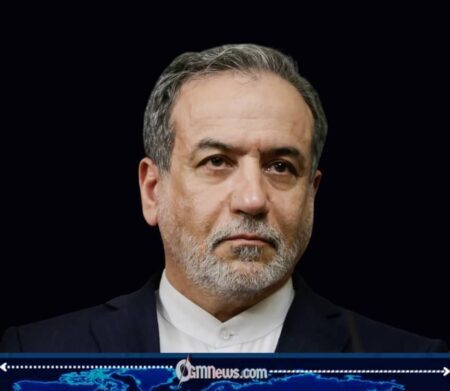
In a significant diplomatic development, Iran’s Foreign Minister, Seyed Abbas Araghchi, has formally announced a conditional ceasefire framework aimed at reducing tensions with the United States. Speaking on behalf of Iran’s Supreme National Security Council, Seyed Abbas Araghchi emphasized that Iran’s military operations would cease if attacks against the country are halted.
The statement marks a pivotal moment in the ongoing conflict, as Seyed Abbas Araghchi positioned the proposal as both a defensive measure and a diplomatic opening. The announcement also includes provisions for limited maritime access through the strategically vital Strait of Hormuz, signaling a broader effort to stabilize regional dynamics.
Ceasefire Conditions: A Reciprocal Approach
At the core of the proposal is a reciprocal ceasefire arrangement. According to Seyed Abbas Araghchi, Iran’s armed forces will suspend their defensive operations only if opposing forces halt attacks against Iranian territory.
This conditional framework underscores Iran’s insistence on mutual compliance. Seyed Abbas Araghchi reiterated that the country retains the right to respond if hostilities resume, highlighting the fragile nature of the proposed truce.
Experts suggest that such conditional ceasefires are often used as confidence-building measures, allowing both sides to test diplomatic intentions without fully relinquishing strategic leverage.
Strait of Hormuz: Limited Reopening Under Oversight
A key component of the announcement involves the partial reopening of the Strait of Hormuz, one of the world’s most critical oil transit routes. Seyed Abbas Araghchi confirmed that safe passage would be permitted for a period of two weeks.
However, the reopening comes with strict conditions. Maritime transit will require coordination with Iran’s armed forces, and technical limitations will apply. This indicates that while the route is accessible, it remains under close supervision.
The controlled reopening reflects Iran’s strategic use of the waterway as both an economic lever and a diplomatic tool, particularly amid heightened global attention on energy security.
Diplomatic Engagement and Negotiation Proposals
The ceasefire proposal is closely tied to ongoing diplomatic efforts. Seyed Abbas Araghchi referenced a U.S. 15-point proposal alongside Iran’s own 10-point framework as potential bases for negotiation.
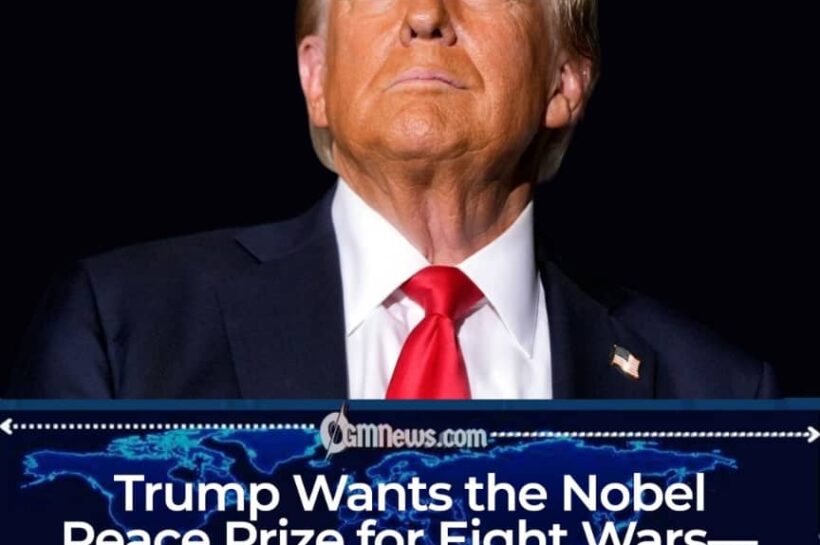
President Donald Trump has indicated a willingness to engage with these frameworks, suggesting a possible convergence of positions. This development has been facilitated in part by regional mediation, including efforts by Pakistan’s leadership.
While details remain limited, the acknowledgment of structured proposals from both sides points to a more organized diplomatic process than previously observed.
Economic and Global Implications
The announcement has had immediate repercussions on global markets. The reopening of the Strait of Hormuz has contributed to a stabilization of oil prices, easing some concerns over supply disruptions.
Nevertheless, uncertainty persists. The temporary nature of the arrangement and the conditions attached to it mean that markets remain sensitive to any signs of renewed tension.
From a broader perspective, the situation highlights the interconnectedness of geopolitical stability and global economic health, particularly in regions critical to energy production and transportation.
A Narrow Window for Lasting Peace
The statement delivered by Seyed Abbas Araghchi represents a calculated step toward de-escalation. By linking a ceasefire to the cessation of attacks and allowing limited access through the Strait of Hormuz, Seyed Abbas Araghchi has outlined a framework that balances diplomacy with strategic caution.
For President Donald Trump and international stakeholders, the coming weeks will be critical in determining whether this initiative leads to sustained dialogue or renewed confrontation.
Ultimately, the success of this effort will depend on mutual restraint, effective negotiation, and the willingness of all parties to move beyond entrenched positions.


[…] […]