


























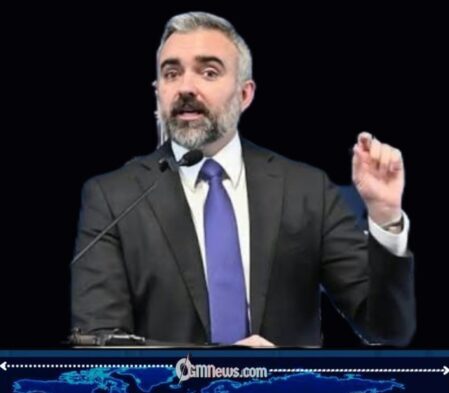
U.S. commentator Rob Schneider has taken center stage in a growing national debate after calling for the reinstatement of mandatory military service in the United States. Framing his argument around the need for unity and national preparedness, Schneider insists that compulsory service could play a critical role as the country remains engaged in a prolonged conflict with Iran.
His remarks have sparked widespread reactions across political, military, and public spheres, with supporters and critics alike weighing the feasibility and implications of such a policy shift in modern America.
Rob Schneider’s Case for National Unity
At the heart of Schneider’s argument is the belief that mandatory military service can unify a divided nation. He maintains that shared national responsibility would foster a deeper sense of patriotism and collective identity among citizens, especially younger generations.
Schneider has also emphasized the personal development benefits of service, including discipline, resilience, and exposure to diverse perspectives. According to him, these attributes are essential not only for military readiness but also for strengthening the social fabric of the country.
Linking the Proposal to the Iran Conflict
Schneider’s call comes as the United States continues its military engagement with Iran, a situation that has raised concerns about long-term troop sustainability. While official military strategies remain classified, the ongoing conflict has intensified discussions about readiness and manpower.
Observers note that prolonged engagements often lead to renewed interest in policies like conscription. Schneider’s position reflects a broader concern that relying solely on a volunteer force may not be sufficient in the face of extended geopolitical tensions.
Government and Policy Uncertainty
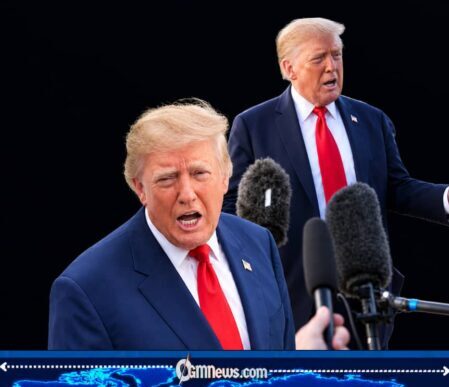
The administration of Donald Trump, currently serving a second term, has not formally adopted Schneider’s proposal. However, defense officials continue to explore ways to strengthen recruitment and retention within the armed forces.
While some policymakers have shown openness to discussing expanded national service programs, others argue that reinstating a draft would be politically and socially challenging. The issue remains far from settled within government circles.
Public Reaction: Support and Resistance
Schneider’s comments have divided public opinion. Supporters argue that mandatory service could restore a sense of shared purpose and responsibility, particularly in a time of international uncertainty.
Opponents, however, raise concerns about personal freedom and question whether such a system aligns with modern democratic values. Many also point out that today’s military relies heavily on advanced technology, which may not require large numbers of conscripts.
Expert Analysis on Military Practicality
Military analysts have highlighted the complexities of reintroducing compulsory service. Transitioning from an all-volunteer force would require significant structural changes, including training capacity, funding, and policy adjustments.
Experts also note that modern warfare demands specialized skills, suggesting that a professional military may be more effective. Still, some acknowledge that alternative forms of national service—military or civilian—could address concerns about unity and preparedness without a full draft.
A Broader Debate on Civic Responsibility
Beyond defense strategy, Schneider’s proposal has reignited discussions about civic duty and national identity in the United States.
Advocates believe that shared service experiences could help bridge societal divides and rebuild trust in national institutions.
As the debate continues, U.S. commentator Rob Schneider remains a central voice pushing for a reevaluation of how Americans contribute to national service in an increasingly complex global landscape.

Logging in is a breeze and the site stability is amazing even during peak hours....