


























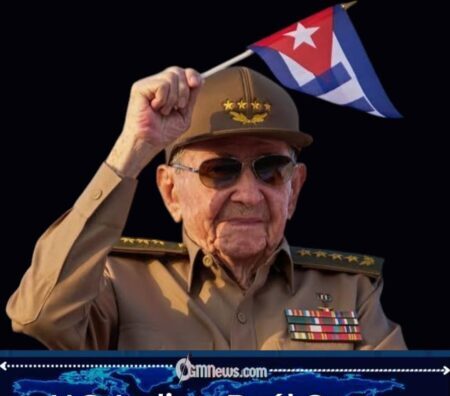
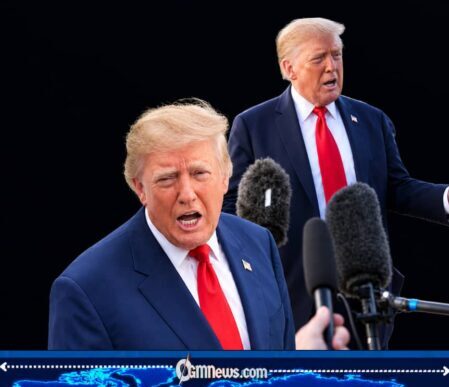
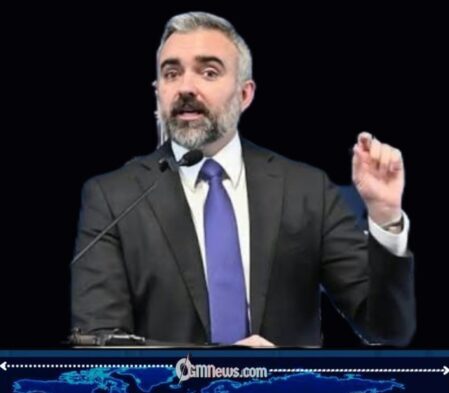
Todd Blanche carefully avoided explicitly promising any operation aimed at physically bringing Raúl Castro to the United States, yet his language was enough to ignite intense debate online and within diplomatic circles. Some observers interpreted the comments as strategic psychological pressure intended to isolate Castro internationally and limit his freedom of movement. Others believed the statements were designed more for political theater, particularly among Cuban-American communities in Florida where calls for accountability against the Castro government remain emotionally powerful.
The broader context surrounding the indictment only added to the speculation. The Trump administration has spent recent months increasing pressure on governments in Latin America accused of corruption, cartel cooperation, or authoritarian practices. Blanche himself recently warned that “more accusations” against foreign political figures could be coming in separate investigations involving Mexico and organized crime networks. That pattern has led analysts to question whether the Raúl Castro case represents a one-time prosecution or part of a wider strategy aimed at reshaping regional politics through aggressive legal action.
Cuba Furious as U.S. Suggests Raúl Castro May Not Be Safe Abroad
Cuban officials reacted angrily to the indictment and dismissed the accusations as politically motivated attacks disguised as legal accountability. Havana’s leadership argued that the United States was reviving Cold War rhetoric at a time when the island is already facing severe economic difficulties and growing international scrutiny. Cuban authorities also insisted the 1996 incident had long been framed by their government as an act of national defense against repeated airspace violations by exile groups operating near Cuban territory.
Online reaction was equally divided. Some Cuban exiles and anti-Castro activists celebrated the indictment as a historic moment that finally acknowledged decades of alleged abuses tied to the Castro era. Others questioned whether prosecuting a 94-year-old former leader would genuinely deliver justice or merely inflame geopolitical tensions. Social media discussions quickly turned the situation into a blend of legal debate, Cold War nostalgia, and satire, with jokes spreading about Castro suddenly becoming “the world’s most cautious traveler.” Yet beneath the humor remained a serious concern: whether escalating rhetoric between Washington and Havana could trigger a new period of hostility after years of fragile diplomatic balancing.
Raúl Castro Learns Retirement Is Apparently Cancelled
For now, Raúl Castro remains in Cuba, and legal experts acknowledge that any realistic attempt to bring him before an American court would face enormous diplomatic and logistical barriers. Still, the indictment has already achieved one undeniable outcome: it transformed a decades-old tragedy into a modern geopolitical flashpoint once again. OGM News will continue monitoring whether Todd Blanche’s remarks were simply political messaging, or an early warning that the Trump administration intends to push the Raúl Castro case far beyond the courtroom.

Logging in is a breeze and the site stability is amazing even during peak hours....