


























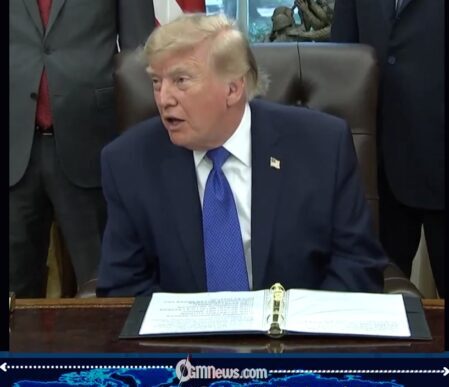
In a decisive move this Monday, federal Judge Leo Sorokin blocked President Donald Trump’s controversial $100,000 fee for H-1B visa applications, ruling that the executive branch exceeded its authority. The ruling centers on the legal principle that only Congress has the power to levy taxes or fees on immigration programs, making Trump’s fee an unlawful imposition on highly skilled foreign workers.
Legal Authority
Judge Sorokin, a Boston-based jurist appointed by former President Barack Obama, issued a 42-page decision declaring that the H-1B Visa fee essentially functioned as a tax and that the president had no legal power to impose it unilaterally. Sorokin wrote, “The President had no power or delegated authority to impose a tax on H-1B petitions,” emphasizing the importance of legislative authorization.
The ruling draws a clear line between executive ambition and statutory authority, reinforcing that significant changes to immigration policy must pass through Congress. H-1B visas, which allow U.S. companies to hire foreign experts in fields like technology, medicine, and engineering, were directly affected by the fee. Employers and visa applicants alike had anticipated the fee would create a costly barrier to hiring specialized talent.
Economic and Policy Implications
Industry experts warn that a $100,000 fee would have dramatically increased costs for both applicants and companies reliant on global talent. Technology firms, universities, and research institutions had raised concerns about the fee, arguing it would deter international workers and hamper innovation.
The court decision also reinforces the role of judicial oversight in checking executive actions. Analysts note that this ruling could influence future attempts to reform immigration policies without congressional approval. While President Trump’s administration argued the fee could help fund U.S. visa programs, the court made it clear that financial burdens on applicants require legislative authorization.
The federal court’s decision marks a significant victory for the H-1B visa program and underscores the importance of checks and balances in U.S. governance. As the administration recalibrates its approach, the ruling serves as a reminder that major changes to immigration policy cannot bypass Congress. Observers expect that any future proposals affecting visa applicants will face heightened scrutiny, ensuring that executive actions align with the law.

Casinoabc999? Good Site. The interface is sleek, and there is a lot of stuff to...