




























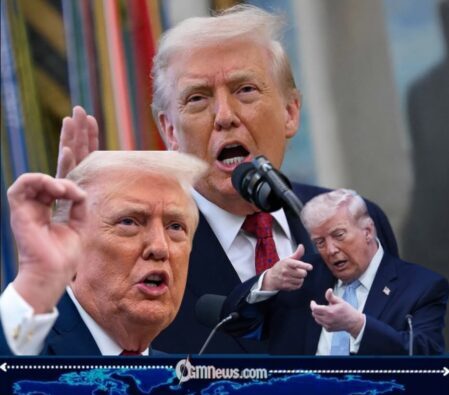
Tariffs are once again at the center of America’s economic conversation as new proposals backed by the Trump administration are projected to raise nearly $1 trillion in federal revenue over the next decade. The eye-catching figure has energized supporters who see tariffs as a powerful tool for boosting government income and strengthening domestic industries. Yet behind the impressive projections lies a growing debate over whether the revenue windfall will come at the expense of businesses and consumers, setting the stage for one of the most consequential trade battles in recent years.
The projection has drawn significant attention because it arrives during a period of heightened concern over federal deficits and long-term fiscal sustainability. Supporters describe the plan as a rare opportunity to generate substantial revenue without directly increasing traditional taxes. Critics counter that tariffs often function as indirect taxes that can ripple throughout the economy. The disagreement has transformed what might have been a routine trade proposal into a major political and economic flashpoint.
Tariffs Apply for Employee of the Decade After Revenue Forecast
The original premise is straightforward: new tariffs on imports from dozens of economies could generate approximately $970 billion over ten years if fully implemented and maintained. Independent budget analysts estimate that the proposed measures would represent one of the largest tariff-based revenue initiatives in modern American history. Supporters argue the policy would help replenish government revenues while encouraging businesses to invest more heavily in domestic production.
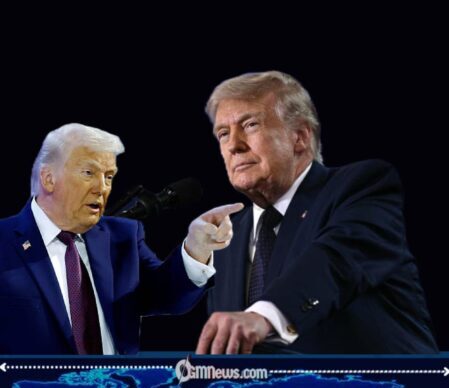
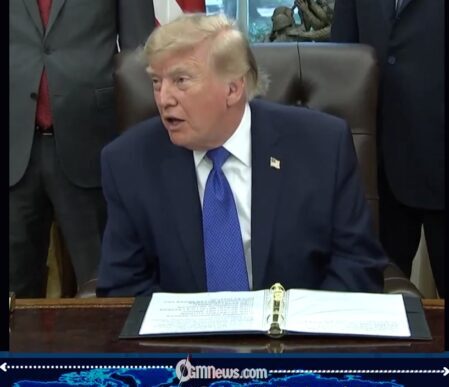
President Donald J. Trump has consistently promoted tariffs as both a negotiating tool and a revenue generator. Administration officials maintain that foreign exporters seeking access to the U.S. market should bear greater costs while American industries gain a more competitive environment. The nearly $1 trillion estimate has therefore become a centerpiece in arguments that tariffs can serve broader economic objectives beyond traditional trade enforcement.
New Tariffs Promoted From Trade Tool to Federal Fundraising Superstar
The broader context, however, reveals a more complicated picture. Economic researchers have long noted that tariffs often raise government revenue while simultaneously increasing costs for importers. Those costs can then flow through supply chains and eventually affect consumer prices. Several analyses have suggested that previous tariff rounds increased costs for businesses and households, fueling debate over whether revenue gains outweigh broader economic consequences.
Recent developments have added further uncertainty. Legal challenges have already altered the trajectory of earlier tariff programs, forcing policymakers to seek alternative authorities for new trade measures. Budget experts note that revenue projections can change significantly depending on court decisions, trade flows, economic growth, and consumer behavior. In other words, forecasting tariff revenue sometimes resembles predicting the weather ten years in advance while standing in the middle of a hurricane.
The Tariffs debate is therefore about much more than a trillion-dollar headline. It touches on trade policy, government revenue, consumer costs, and America’s broader economic strategy. Whether the proposal ultimately becomes a fiscal success story or a cautionary tale remains uncertain. What is clear is that the promise of nearly $1 trillion has ensured that tariffs will remain one of the most closely watched economic issues in Washington for years to come.

Ae888covenuscasino, okay, I'm curious. Gonna check out this site and try to find some amazing...