























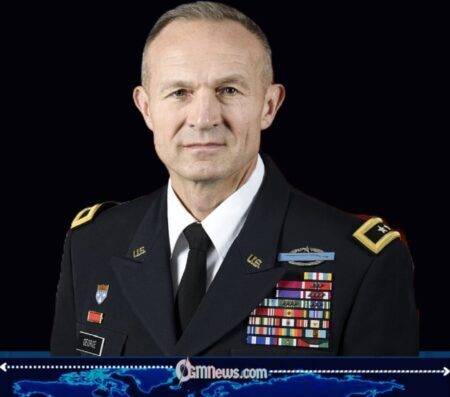
Randy George emphasized the importance of integrity and moral strength in military leadership as he prepared to step down following a request from Secretary of War Pete Hegseth. Randy George conveyed this message in an outgoing email addressed to senior Army leaders, where he underscored that service members deserve leaders who demonstrate courage, accountability, and strong character.
Randy George framed his remarks as both a farewell and a call to uphold the core values that guide military service. Randy George’s communication comes at a time when leadership transitions at the highest levels often prompt reflection on institutional standards and the direction of the force.
Leadership Transition and Departure
Randy George’s departure follows a formal directive from Secretary Pete Hegseth requesting his retirement, marking a notable change in the Army’s top leadership. George’s exit highlights the structured nature of leadership transitions within the military, where changes at senior levels are managed in line with established protocols.
Randy George’s tenure is widely associated with operational oversight during a period of evolving global security challenges. George’s stepping down is expected to pave the way for a successor who will continue to oversee strategic priorities while maintaining continuity across Army operations.
Message to Senior Army Leadership
Randy George used his outgoing email to directly address senior Army leaders, urging them to prioritize character-driven leadership in their respective commands. Randy George stressed that leadership in the Army requires more than technical expertise, emphasizing the need for ethical judgment and personal accountability.
Randy George highlighted the responsibility leaders bear in shaping the conduct and morale of their subordinates. George’s message reinforced the expectation that leaders must set the tone through their actions, serving as role models for those under their command.
Emphasis on Character and Accountability
Randy George underscored character as a defining quality of effective leadership, noting that troops rely on their leaders not only for direction but also for moral guidance. George pointed out that courage and integrity remain essential traits for maintaining trust within military ranks.
Randy George also emphasized accountability as a key element of leadership, suggesting that consistency in ethical behavior strengthens cohesion within units. George’s remarks reflect the broader military principle that leadership is built on trust, responsibility, and the ability to make sound decisions under pressure.
Institutional Stability Amid Change
Randy George’s retirement request comes at a time when the Army continues to manage ongoing missions and commitments worldwide. George’s departure, while significant, is expected to be absorbed within the institution’s established succession framework to ensure continuity of command.
George’s transition highlights the resilience of military structures, which are designed to maintain operational effectiveness despite changes in leadership. George’s exit is anticipated to proceed without disruption to day-to-day operations, as senior officials maintain continuity in strategic planning and execution.
Broader Implications for Military Leadership
Randy George’s final message may serve as a broader reminder of the values expected across all levels of military leadership. George’s emphasis on courage and character aligns with longstanding traditions within the armed forces that prioritize professionalism and ethical conduct.
Randy George’s reflections could influence how leadership is perceived and practiced within the Army moving forward. George’s call for character-driven leadership reinforces the idea that effective command depends not only on authority but also on trust, integrity, and the ability to inspire confidence among service members.


The vibes here are amazing and the winning streaks are real. It feels just like...