

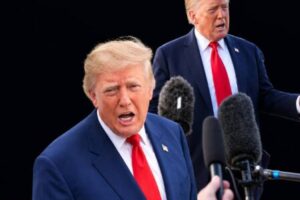

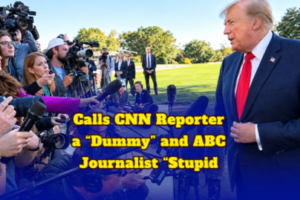






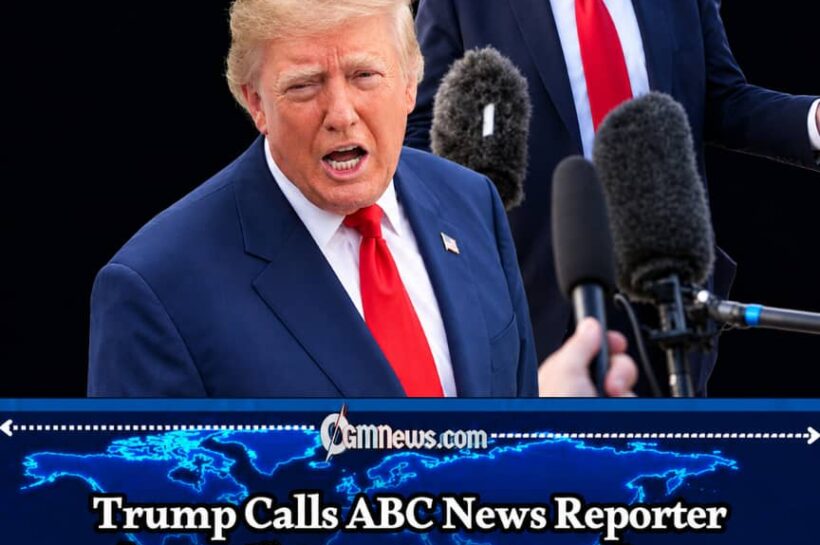

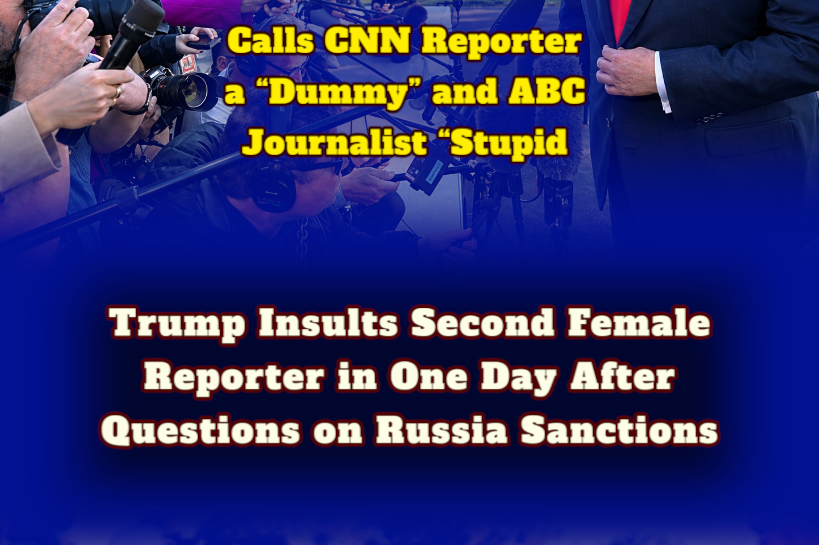

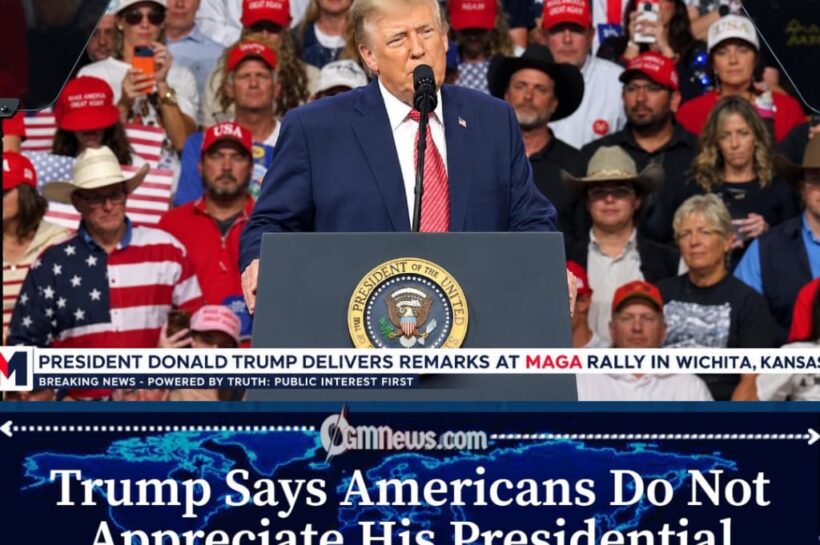




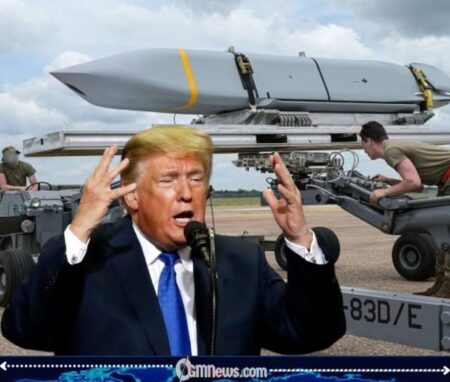
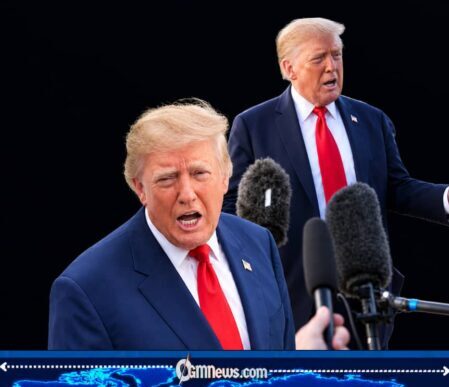
President Donald Trump has issued a stark warning that the United States may “blow up everything” in Iran if a ceasefire deal is not reached soon, signaling a potential intensification of the conflict that has already destabilized the Middle East. Speaking to reporters at the White House, Trump framed the statement as both a warning and a deterrent, emphasizing that the U.S. military is prepared to escalate its campaign to unprecedented levels if diplomatic efforts fail. Analysts say such remarks heighten tensions and could have far-reaching consequences for regional security and global energy markets.
Trump’s remarks come after weeks of intermittent negotiations aimed at establishing a temporary truce to halt missile and drone attacks, which have disrupted shipping lanes and energy infrastructure in the Persian Gulf. Despite the efforts of international mediators, Tehran has shown reluctance to fully commit to ceasefire terms, raising fears in Washington of continued military escalation.
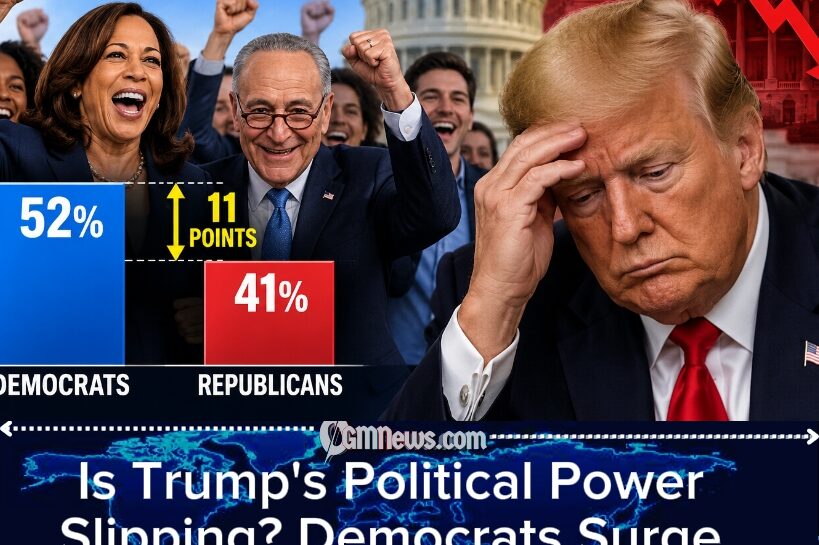
While some U.S. lawmakers have criticized Trump’s rhetoric as overly aggressive, others argue it is a calculated move designed to pressure Iran into halting attacks. The president’s comments underscore a persistent divide within American political circles on how to balance forceful deterrence with diplomatic engagement.
Escalation in the Persian Gulf
Iran has continued its campaign of missile and drone strikes against U.S. and allied positions in the Gulf, including energy facilities, military bases, and transport infrastructure. Each attack has prompted swift retaliatory measures from American and allied forces, creating a cycle of escalation that has yet to abate.
The disruption of shipping lanes, particularly the Strait of Hormuz, has contributed to volatility in global oil prices, with analysts warning that any further escalation could have serious consequences for international energy security. Regional powers have expressed concern over the spillover effects of the conflict, as civilian populations and infrastructure face increasing risk.
Tehran’s leadership has framed its actions as defensive and retaliatory, citing previous U.S. and Israeli strikes on Iranian territory as justification. Officials have hinted that the next phase of operations could be “more forceful,” raising alarms about the potential scale of future attacks.
The Humanitarian Impact
The ongoing conflict has had significant humanitarian consequences, particularly for civilians in Iran and neighboring countries. Casualties, infrastructure damage, and disruptions to essential services have contributed to growing concern from international humanitarian organizations.
Medical facilities in affected areas are strained as they cope with injuries and shortages, while energy disruptions threaten heating, electricity, and water supplies. Relief organizations have called for urgent measures to protect civilians and establish safe corridors for humanitarian aid.
International observers warn that continued escalation could exacerbate the crisis, with ripple effects across the region. Humanitarian concerns are increasingly intertwined with military and political considerations, highlighting the complexity of resolving the conflict.
President Donald Trump Signals Aggressive Action
President Donald Trump has indicated that if diplomatic talks fail, the United States may target key Iranian infrastructure, including power plants, bridges, and military installations. Trump emphasized that such measures would be designed to “neutralize” Iran’s capabilities and force compliance with ceasefire demands.
Military experts note that targeting critical infrastructure could have devastating consequences for both military and civilian populations, potentially prompting further retaliation. Analysts warn that a strategy of overwhelming force carries significant risks, including escalation into a broader regional war.
The president’s warning reflects a pattern of high-stakes diplomacy backed by the threat of military action, a strategy Trump has relied upon throughout his presidency. While it may exert pressure on Iran, it also increases the potential for miscalculations with severe consequences.
International Response
Global leaders have reacted to Trump’s statements with a mixture of concern and calls for restraint. European diplomats and U.N. officials have urged both sides to prioritize dialogue and de-escalation, emphasizing the need to avoid actions that could trigger wider conflict.
Regional allies, including Gulf Cooperation Council states, are closely monitoring the situation, balancing support for U.S. security interests with fears of being drawn into direct conflict. Diplomatic channels remain active, with behind-the-scenes efforts to broker a ceasefire continuing despite public rhetoric.
Analysts emphasize that the combination of aggressive threats and continued military operations increases uncertainty and complicates international efforts to stabilize the region. The coming weeks are likely to be pivotal in determining whether escalation or diplomacy will prevail.
Future Prospects and Risks
The trajectory of the conflict remains uncertain, with both sides weighing the costs and benefits of further escalation. Iran’s warnings of intensified attacks, coupled with President Trump’s threats, create a volatile situation where missteps could lead to rapid escalation.
Strategists highlight the importance of balancing deterrence with opportunities for dialogue, noting that the stakes extend beyond the Middle East to global markets and international security. The international community is watching closely, hoping that measured actions will prevent catastrophe.
The coming days may determine whether the region moves toward a temporary ceasefire or spirals further into destructive conflict, with profound implications for civilians, governments, and global stability.

Logging in is a breeze and the site stability is amazing even during peak hours....