

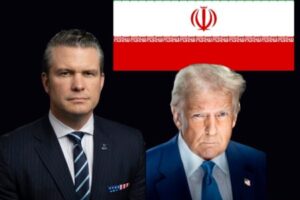


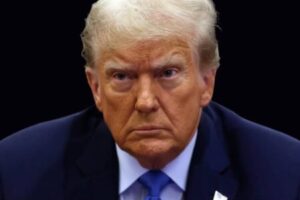
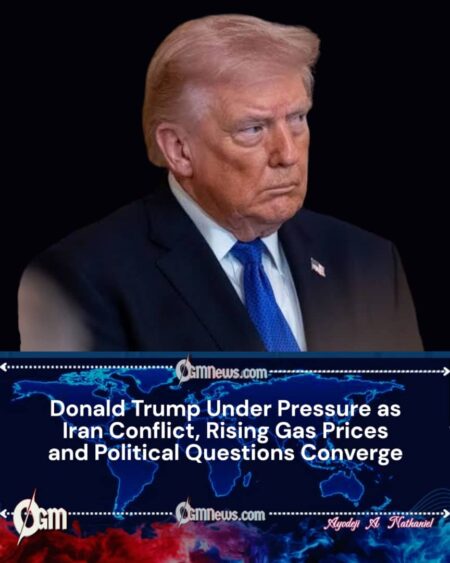
U.S. President Donald Trump, currently serving a second term in office, is facing increasing political scrutiny as the United States expands its military involvement in the Middle East amid rising tensions with Iran. The developments come at a time when global energy markets are reacting sharply to the conflict, pushing gasoline prices higher and fueling economic concerns both in the United States and abroad.
At the same time, domestic political debates have intensified around the president’s leadership during the crisis. Critics have raised questions about presidential travel and leisure activities, including golf outings, while U.S. troops remain deployed overseas. Supporters of the administration argue that such criticisms overlook the broader strategic challenges facing Washington.
The situation has also revived discussions surrounding unreleased records connected to financier Jeffrey Epstein, which some activists and political commentators say should be made public. Together, the military escalation, economic pressures, and political disputes are shaping one of the most complex foreign policy moments of Donald Trump’s second presidency.
Donald Trump Orders Expanded U.S. Military Presence in the Middle East
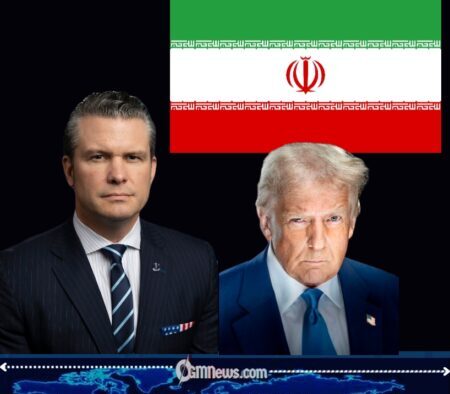
President Donald Trump has authorized an expanded U.S. military deployment across the Middle East as tensions with Iran intensify. Defense officials say additional naval vessels, aircraft, and missile defense systems have been positioned in strategic areas to protect American forces and allies in the region.
The escalation followed coordinated military strikes targeting Iranian facilities believed to be connected to missile and nuclear capabilities. The White House has defended the operations as necessary measures to deter further threats and prevent Iran from destabilizing the region.
According to analysts, the decision by Donald Trump reflects a broader strategy aimed at demonstrating military readiness while pressuring Tehran to reconsider its actions. However, the deployment has raised concerns among some lawmakers and international observers who fear the conflict could widen into a prolonged regional confrontation.
Donald Trump Faces Questions Over Leadership Optics During Crisis
While the military campaign continues, President Donald Trump has also faced criticism regarding the optics of his public schedule. Reports that the president spent time at his golf properties during the escalating conflict have circulated widely in political discussions and social media commentary.
Critics argue that such appearances create the impression that the administration is not fully focused on the gravity of the international crisis. Supporters of Donald Trump counter that modern presidents maintain constant communication with military commanders and national security advisers regardless of their location.
Political historians note that past U.S. presidents have also faced similar scrutiny during wartime, highlighting how personal activities often become symbolic issues in highly polarized political environments.
Congress Debates War Powers and Oversight
The military escalation has reignited a long-standing debate in Washington about presidential authority to initiate armed conflict. Some members of Congress argue that large-scale military operations should require explicit legislative approval.
Lawmakers across the political spectrum have raised concerns about whether the administration should seek formal authorization for continued operations against Iran. Critics say bypassing Congress could set a precedent that weakens constitutional checks and balances.
Administration officials, however, maintain that President Donald Trump possesses the authority to act quickly when national security interests are threatened, particularly when American personnel or strategic allies are at risk.
Energy Markets React as Oil and Gasoline Prices Climb
The conflict has had immediate repercussions for global energy markets. Oil prices have surged as traders react to potential disruptions in the Persian Gulf, a region responsible for a significant portion of the world’s oil exports.
Energy analysts say tensions around critical shipping routes such as the Strait of Hormuz have heightened concerns about supply shortages. Even limited disruptions in that corridor can influence global fuel prices within days.
Officials in Washington have acknowledged that gasoline prices may rise temporarily as a result of the crisis. Economic advisers to Donald Trump say the administration is monitoring energy markets closely and exploring options to stabilize supply if necessary.
Epstein Files Controversy Returns to Political Spotlight
Beyond the foreign policy debate, the issue of documents linked to Jeffrey Epstein has resurfaced in public discussions. Advocacy groups and some political figures have called for greater transparency regarding records tied to Epstein’s network of associates.
Many documents connected to Epstein’s legal proceedings remain sealed or partially redacted due to ongoing investigations and court decisions. Legal experts note that the release of such records is often determined through judicial processes rather than political decisions.
Although the issue is separate from the Iran conflict, it has become part of the broader political conversation surrounding the administration and the public’s demand for accountability.
A Presidency Shaped by Global Crisis and Domestic Debate
The combination of escalating military tensions, economic uncertainty, and political controversies underscores the complex challenges facing President Donald Trump during his second term. Decisions made in the Middle East are influencing not only regional security but also domestic political discourse in the United States.
Foreign policy specialists say the coming months will be crucial in determining whether diplomatic efforts can reduce tensions with Iran or whether the confrontation could expand further. At the same time, economic indicators such as fuel prices and employment trends will continue to shape public opinion.
As the situation evolves, both supporters and critics of Donald Trump are likely to intensify their arguments about the direction of U.S. leadership on the global stage.