









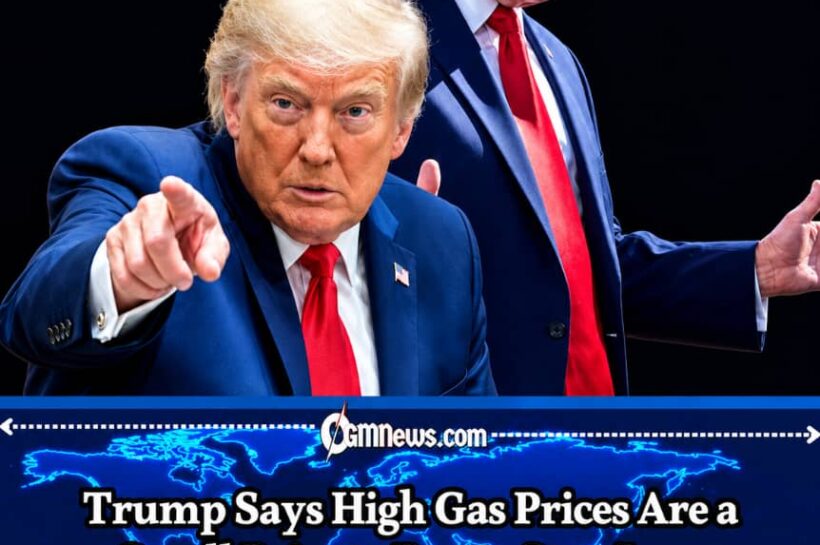




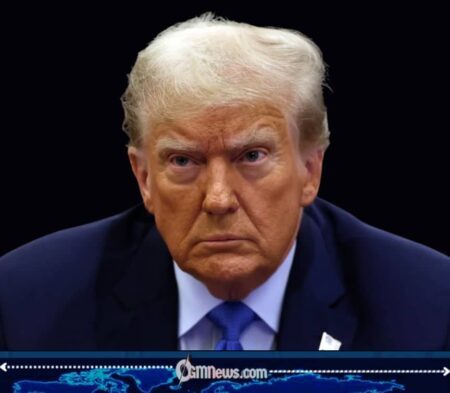
U.S. President Donald Trump, currently serving a second term, has sparked international debate after suggesting that Iran’s new leader would struggle to remain in power without approval from the United States. Speaking amid heightened tensions between Washington and Tehran, Trump said the next Iranian leader “is going to have to get approval from us,” warning that without such acceptance “he’s not going to last long.”
The remarks came at a time of major political transition in Iran following leadership changes that have drawn global attention. Trump framed his comments as part of a broader strategy aimed at preventing recurring conflicts between the United States and Iran in the future.
The statement quickly drew reactions from diplomats, analysts, and Iranian officials, many of whom argued that the selection of Iran’s leadership remains a sovereign matter. The episode highlights the continuing geopolitical strain between Washington and Tehran as the region faces uncertainty over security, leadership, and future diplomacy.
Trump’s Warning About Iran’s New Leadership
President Donald Trump made the remarks during comments addressing the political transition unfolding in Iran. He suggested that any future leader in Tehran would need to demonstrate a willingness to cooperate with U.S. expectations in order to maintain stability.
Trump argued that his administration’s policies are intended to ensure long-term security in the Middle East and prevent repeated confrontations between the United States and Iran. According to the president, the goal is to avoid a cycle of conflict that could re-emerge under future administrations.
Analysts say the statement reflects a continuation of the Trump administration’s strategy of exerting pressure on Iran’s leadership, combining military deterrence, economic sanctions, and diplomatic messaging aimed at reshaping Tehran’s policies.
Leadership Transition in Iran
The controversy surrounding Trump’s comments comes during a period of significant leadership change in Iran. Reports from international media indicate that Mojtaba Khamenei has emerged as a key figure in discussions surrounding the country’s leadership structure.
Mojtaba Khamenei is the son of Iran’s long-time supreme leader Ali Khamenei and has been widely viewed by political observers as a powerful but controversial figure within Iran’s political establishment. His possible elevation has generated debate both inside Iran and internationally.
Observers note that the process of selecting Iran’s supreme leader involves religious and political institutions within the country. The transition is therefore seen as a pivotal moment that could shape Iran’s domestic policies as well as its relations with global powers.
Iran Rejects U.S. Influence Over Leadership
Iranian officials swiftly dismissed President Trump’s suggestion that Washington could influence who leads the country. Diplomats in Tehran emphasized that Iran’s leadership is determined through its own political and religious institutions.
Foreign policy representatives stressed that the United States has no role in Iran’s internal political processes and warned against external interference. They reiterated that Iran’s sovereignty includes the right to determine its own leadership without foreign approval.
The response underscores the deep mistrust that has long defined relations between the two countries, a relationship marked by decades of diplomatic confrontation, sanctions, and regional rivalry.
Rising Regional Tensions and Strategic Concerns
Trump’s comments come amid wider tensions in the Middle East involving military activity, diplomatic disputes, and global energy concerns. The region remains one of the world’s most strategically significant areas, particularly because of its role in international energy supply routes.
Security analysts say leadership uncertainty in Iran could have far-reaching implications for regional stability. Iran plays a key role in Middle Eastern geopolitics, influencing conflicts and alliances across multiple countries.
At the same time, international observers note that any perception of external influence over Iran’s leadership could further intensify tensions between Tehran and Washington.
Implications for U.S.–Iran Relations
The remarks by President Donald Trump are likely to add another layer of complexity to already strained relations between the United States and Iran. Diplomatic experts say the comments may complicate efforts to ease tensions or reopen negotiations on issues such as nuclear policy and regional security.
Supporters of the administration argue that strong rhetoric and firm policies are necessary to prevent Iran from expanding its military capabilities or destabilizing the region. Critics, however, warn that such statements could harden positions on both sides and make diplomatic progress more difficult.
As the leadership transition in Iran unfolds, the international community will be closely watching how the situation develops and how Washington and Tehran navigate the next phase of their relationship.
The vibes here are amazing and the winning streaks are real. It feels just like...