




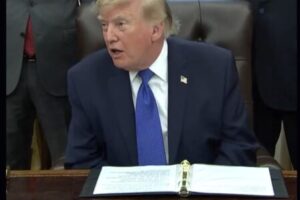

















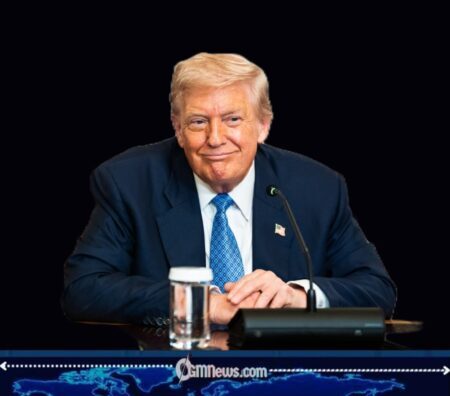
President Donald Trump filed a $10 billion lawsuit involving the BBC, alleging that the international broadcaster engaged in reporting that he claims damaged his reputation and public standing. President Donald Trump argued that the coverage in question contained inaccuracies that he believes warrant legal action and significant financial compensation.
The lawsuit has quickly drawn attention from legal experts, media analysts, and political observers who are closely watching how the case may unfold in court. High-profile disputes between public figures and major media organizations often raise complex legal questions about free speech, press protections, and defamation law.
The BBC has responded by asking the court to dismiss the case, arguing that the claims lack sufficient legal grounds to proceed. The broadcaster maintains that its reporting met journalistic standards and was protected under laws safeguarding press freedom.
BBC Seeks Court Dismissal
President Donald Trump’s legal complaint alleges that the broadcaster’s reporting caused reputational harm and misrepresented certain events. President Donald Trump stated in court filings that he believes the network should be held accountable for what he describes as damaging claims.
In response, lawyers representing the BBC filed a motion requesting that the judge dismiss the lawsuit entirely. Their argument centers on the principle that journalists have the right to report on matters of public interest, especially when covering political figures and global events.
Legal analysts note that dismissal requests are common in defamation cases involving media organizations, particularly when the defendant believes the claims fail to meet the high legal threshold required to proceed.
President Donald Trump Responds to Legal Challenge
President Donald Trump said the lawsuit represents an effort to challenge reporting he considers misleading or unfair. President Donald Trump insisted that public figures should still have the ability to defend themselves through the courts when they believe inaccurate information has been published.
Defamation cases involving political leaders often attract widespread attention because they sit at the intersection of press freedom and personal reputation. Courts must weigh the rights of individuals against constitutional protections for journalists and media outlets.
President Donald Trump also emphasized that the lawsuit seeks to address what he believes are broader concerns about accountability in international media coverage.
Legal Experts Examine the Case
Legal scholars say the case may hinge on whether the reporting in question can be proven to be false and whether it was published with the level of intent required for defamation claims involving public figures.
In many jurisdictions, plaintiffs who are prominent political leaders must meet a particularly high legal standard. They must demonstrate not only that a statement was inaccurate but also that it was made with knowledge of its falsity or reckless disregard for the truth.
This high threshold reflects long-standing legal efforts to balance individual reputations with the need for a free and independent press capable of reporting on powerful institutions and individuals.
President Donald Trump Defends His Claims
President Donald Trump maintained that the lawsuit reflects his belief that major media organizations should face consequences if reporting crosses legal boundaries. President Donald Trump said the financial damages sought in the case reflect the seriousness of the alleged harm.
Observers say that lawsuits of this scale are relatively uncommon and often become lengthy legal battles involving extensive arguments from both sides. Courts may spend months or even years evaluating the evidence before reaching a final decision.
President Donald Trump reiterated that he intends to pursue the case vigorously while the legal process moves forward.
Broader Debate Over Media and Accountability
The dispute has sparked wider discussions about the relationship between political leaders and news organizations in an era of highly polarized public debate. Media outlets frequently face criticism from political figures who disagree with their reporting.
At the same time, press freedom advocates emphasize the importance of protecting journalists from legal pressures that could discourage investigative reporting or critical coverage of powerful individuals.
As the court considers whether the lawsuit should proceed, the case may contribute to ongoing conversations about the boundaries between media accountability, public scrutiny, and freedom of expression in modern democracies.
Casinoabc999? Good Site. The interface is sleek, and there is a lot of stuff to...