











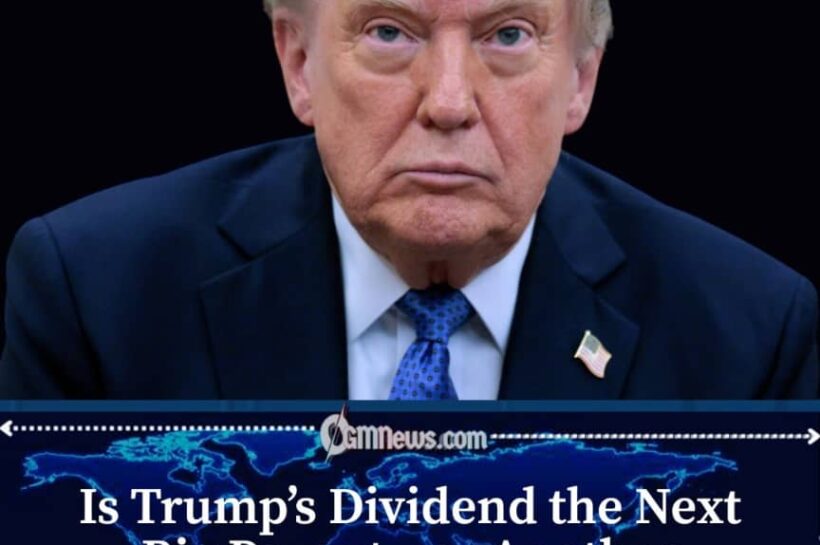













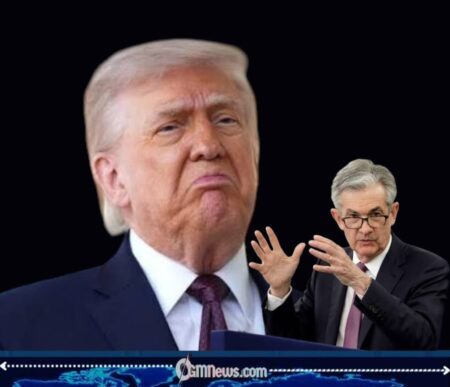
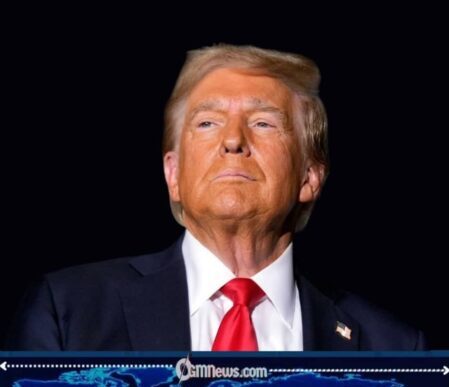
President Donald Trump is facing increasing complications in his apparent effort to push Federal Reserve Chair Jerome Powell out of his position, with analysts suggesting that his approach may be making that outcome less likely over time. What might have been a straightforward political objective is now evolving into a more prolonged and uncertain struggle.
The situation reflects a broader tension between the White House and the Federal Reserve, an institution traditionally insulated from direct political pressure. As the dispute unfolds, questions are emerging about strategy and long-term consequences.
Observers note that efforts to influence the Fed can carry significant risks, particularly when they are perceived as undermining institutional independence.
President Donald Trump and Strategic Missteps
President Donald Trump appears to be taking a path that some commentators describe as counterproductive, potentially turning what could have been an easier policy victory into a drawn-out confrontation. His public criticism of Jerome Powell has intensified scrutiny of his actions.
Critics argue that a more measured approach might have yielded better results, while supporters maintain that his stance reflects a commitment to his economic agenda.
The ongoing dynamic highlights the complexities of navigating institutional relationships within the U.S. government.
The Federal Reserve’s Position
President Donald Trump’s efforts come against the backdrop of the Federal Reserve’s independent role in managing monetary policy. The institution’s leadership is designed to operate without direct political interference, making any attempt at influence particularly sensitive.
Jerome Powell has maintained a focus on economic indicators and policy objectives, signaling continuity despite external pressure.
This independence is often cited as a key factor in maintaining stability and credibility in financial markets.
President Donald Trump and Political Implications
President Donald Trump’s stance on the Federal Reserve has implications that extend beyond economic policy, touching on broader questions of governance and institutional boundaries.
The dispute has become a focal point in political discussions, with various stakeholders weighing in on the appropriate relationship between elected officials and independent bodies.
Such debates are likely to continue as the situation develops, influencing both public opinion and policy decisions.
Market and Economic Reactions
President Donald Trump’s ongoing criticism of the Federal Reserve has drawn attention from financial markets, where stability and predictability are highly valued. Reactions have varied, reflecting differing interpretations of the situation.
Investors often monitor such developments closely, as they can signal potential changes in monetary policy or economic direction.
The broader economic impact will depend on how the situation evolves and whether tensions ease or intensify.
President Donald Trump is expected to continue engaging with the issue, though the path forward remains uncertain. The interplay between political objectives and institutional independence will be a key factor in determining outcomes.
Future developments may hinge on shifts in strategy, as well as responses from both the Federal Reserve and the broader political landscape.
Ultimately, the situation underscores the challenges of balancing political goals with the need to maintain stable and credible institutions.
[…] […]