
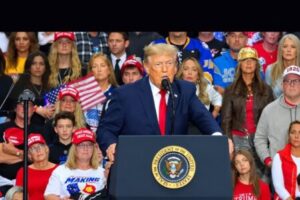
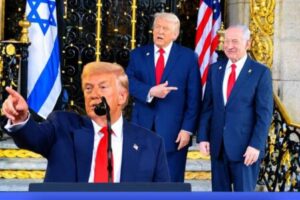



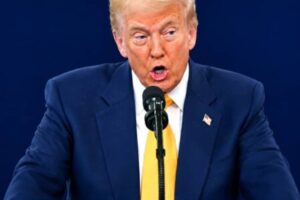
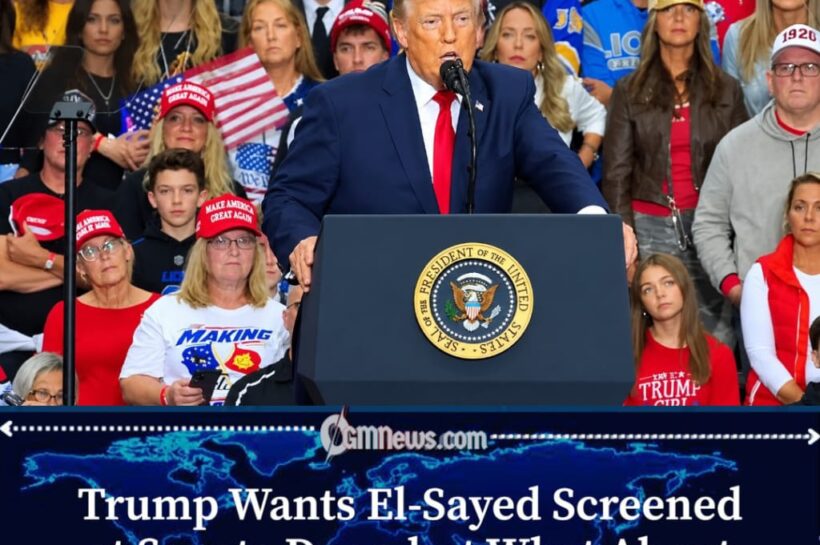

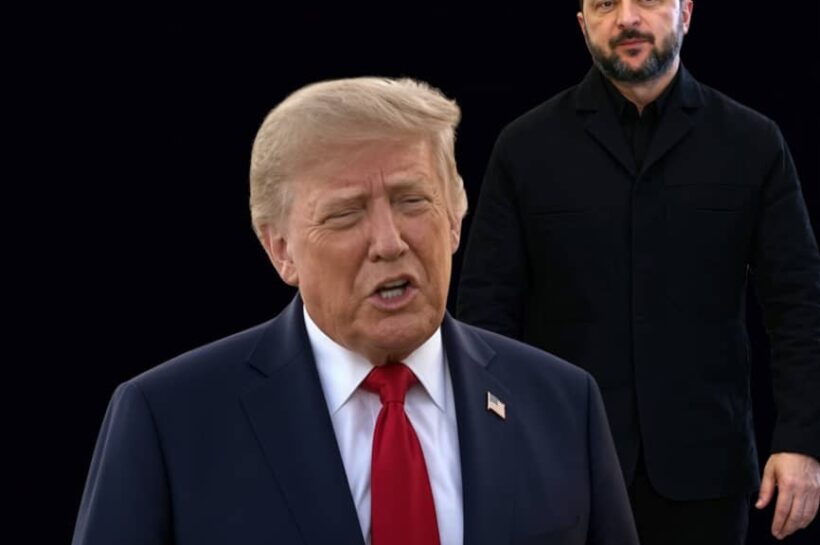




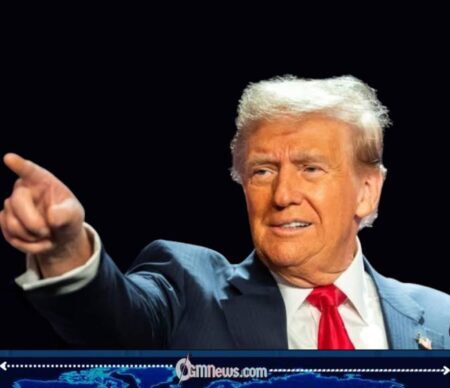
President Donald Trump, is facing a pivotal legal moment as the Supreme Court appears poised to strike down his executive order aimed at ending birthright citizenship for children of undocumented immigrants under the 14th Amendment. The development marks a significant test of executive authority and constitutional interpretation.
The case has quickly drawn national attention, as it touches on one of the most debated provisions in American constitutional law. Legal experts note that the outcome could have far-reaching implications for immigration policy and citizenship rights.
At the heart of the matter is the interpretation of the 14th Amendment, which guarantees citizenship to those born on U.S. soil. The Court’s apparent direction suggests a reaffirmation of longstanding precedent.
Legal Foundations and Constitutional Debate
President Donald Trump, has long argued that the 14th Amendment was never intended to grant automatic citizenship to children of undocumented immigrants. His executive order sought to reinterpret this provision through presidential authority.
Opponents, however, maintain that the amendment’s language is clear and has been consistently upheld by courts for over a century. They argue that any change would require a constitutional amendment rather than an executive action.
Scholars point to historical rulings that have reinforced birthright citizenship, emphasizing that altering such a principle would represent a dramatic shift in legal doctrine.
President Donald Trump and Executive Authority
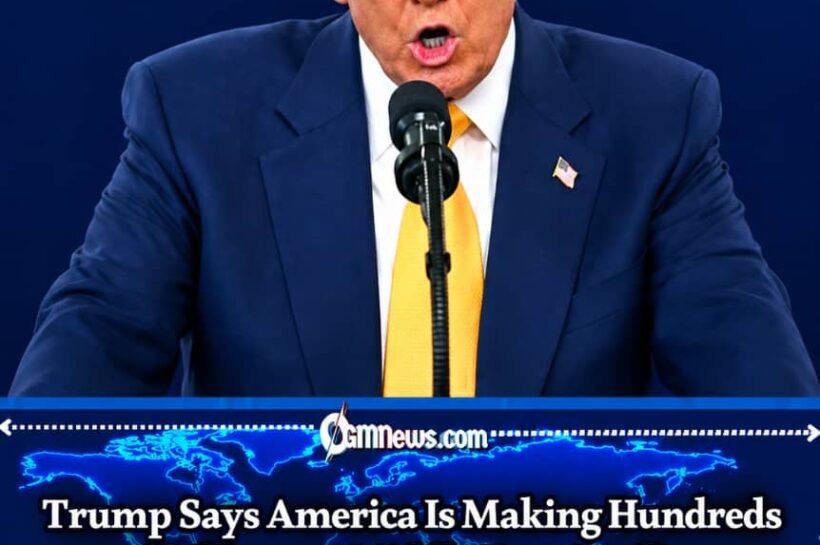
President Donald Trump, defended his order as a necessary step to address what he describes as loopholes in the immigration system. He framed the move as part of a broader effort to tighten border and citizenship policies.
The legal challenge has raised questions about the limits of presidential power, particularly when it comes to interpreting constitutional provisions. Critics argue that the executive branch cannot unilaterally redefine constitutional rights.
Supporters of the order contend that the president has a role in shaping immigration policy, though even some allies have expressed concern about the legal viability of the approach.
Political Reactions and Public Discourse
President Donald Trump, has seen strong reactions from both sides of the political spectrum as the case unfolds. Supporters argue that the order addresses long-standing concerns about immigration enforcement.
Opponents have criticized the policy as unconstitutional and discriminatory, warning that it undermines fundamental principles of equality and citizenship. Advocacy groups have been particularly vocal in their opposition.
The issue has also become a focal point in broader political debates, influencing discussions around immigration reform and the role of the judiciary.
Broader Implications for Immigration Policy
President Donald Trump, could see one of his most controversial policies overturned if the Court rules against the executive order. Such a decision would reinforce existing interpretations of the 14th Amendment.
Legal analysts suggest that the ruling could set a precedent limiting future attempts to alter constitutional rights through executive action. It may also shape how immigration policies are crafted moving forward.
The decision is expected to influence not only legal frameworks but also political strategies, as leaders reassess their approaches to immigration reform.
What Comes Next
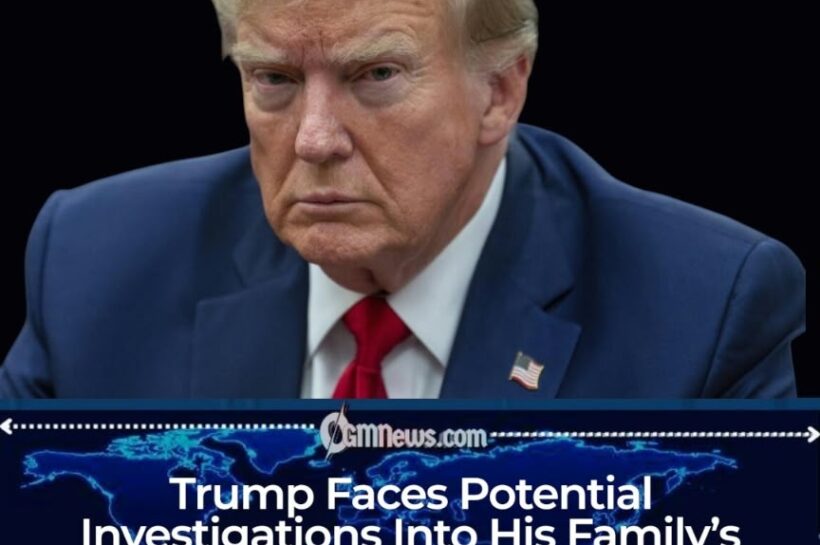
President Donald Trump, faces an uncertain outcome as the Supreme Court prepares to issue its decision. The ruling will likely clarify the boundaries between executive authority and constitutional protections.
Observers note that regardless of the outcome, the case has already had a significant impact on public discourse and legal scholarship. It has reignited debates about citizenship, identity, and national policy.
As the nation awaits the Court’s final word, the implications of this case are expected to resonate for years, shaping both legal precedent and the broader conversation on immigration.
FoSEnYRcnzkCFxcrkTIkEJxP