




























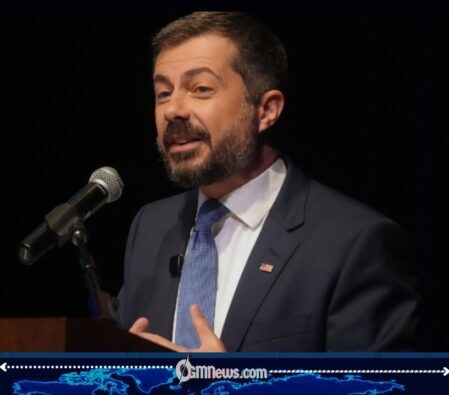
Pete Buttigieg has returned to South Carolina, the state that once delivered a painful reality check during his first presidential campaign, with a new message, a new strategy, and a renewed attempt to win over Black voters who could become decisive players in the 2028 Democratic nomination race. The former transportation secretary arrived in the historic state promising to listen, rebuild trust, and prove that his political journey has evolved since his 2020 setback.
But in the unofficial theatre of American politics, where every handshake can become a campaign trailer and every speech can become a headline, Buttigieg’s return has sparked a familiar question: Is this a genuine community conversation, or the early episode of another White House audition? While he insists he is focused on the present, political observers are already watching his South Carolina moves closely.
The “Pete 2.0” Campaign: Same Candidate, New Homework Assignment
Buttigieg’s latest visit looked less like a casual trip and more like a political repair mission. He spoke to activists in Florence, visited students at a historically Black university, discussed ideas surrounding reparations, and addressed civil rights concerns before a major NAACP gathering in Orangeburg.
OGM News analysts describe the mission as “The Pete Redemption Tour,” where the candidate appears to be telling voters: “Please forget the 2020 version of me; meet the updated software.” The challenge, however, is convincing voters that political updates are more than a new logo on an old campaign computer.
The biggest test remains trust. In 2020, Buttigieg struggled to gain strong support among Black voters in South Carolina, and the state became a major turning point in his first presidential attempt. Now, with South Carolina positioned as a major early state for the 2028 Democratic process, the stakes have become even higher.
Black Voters Become The Political VIP Room Ahead Of 2028
During his speeches, Buttigieg criticized efforts he described as threats to Black political representation and warned about the direction of American democracy under President Donald Trump’s second term. He argued that civil rights, voting power, and economic issues must be addressed together rather than separately.
Meanwhile, political insiders are watching closely as potential 2028 contenders begin visiting South Carolina, hoping to earn early support from a voting bloc that has repeatedly shaped Democratic presidential contests. The message from local leaders is simple: candidates cannot just appear during election season, collect applause, and disappear like a politician’s forgotten campaign promise.
The humorous political reality is that South Carolina has become America’s most expensive “first date.” Candidates arrive with speeches, promises, and carefully prepared smiles, hoping voters will say, “We like you, but we need to see your actions before giving you the keys.”



Ae888covenuscasino, okay, I'm curious. Gonna check out this site and try to find some amazing...