




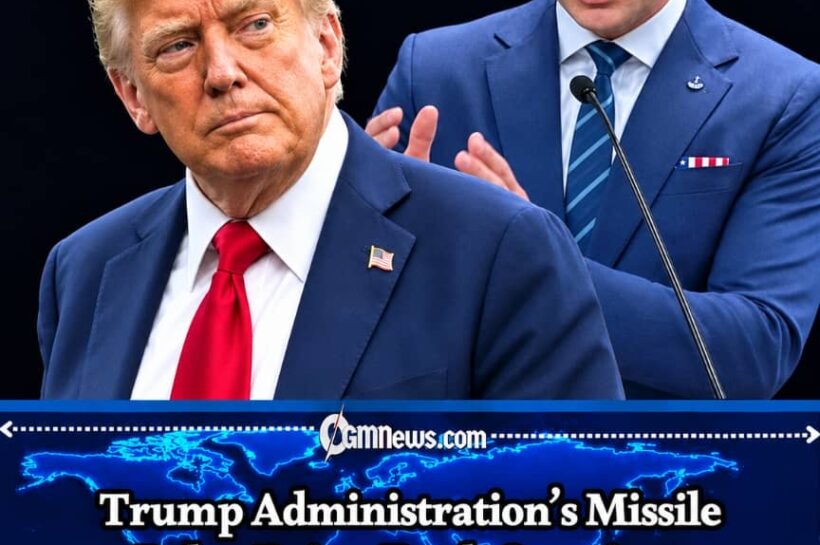




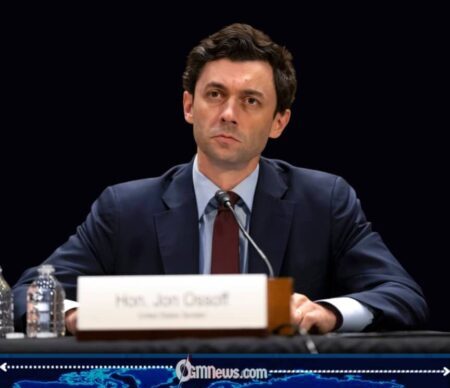
Senator Jon Ossoff has delivered one of the sharpest Democratic criticisms yet of President Donald Trump, the current U.S. president serving a second term, accusing his administration of undermining America’s global standing, alliances and economic strength.
Speaking amid intensifying debate over the Iran war, Ossoff said he “deeply and sincerely” regrets what he described as the damage caused by what he characterized as “incompetence” and “amateurism” in U.S. leadership.
The remarks come at a time of growing political tension in Washington, where the administration continues to defend its foreign policy decisions while critics question both the strategy and its consequences. Ossoff’s comments reflect broader Democratic concerns that recent decisions have weakened the United States’ position internationally.
A Direct Critique of Presidential Leadership
Ossoff’s statement stands out for its unusually blunt tone, even in a highly polarized political environment. The senator framed his criticism not only around specific policy decisions but also around what he sees as a broader failure of leadership at the highest level.
He argued that the administration’s approach has diminished America’s influence abroad and weakened its credibility among allies. According to Ossoff, the issue extends beyond a single conflict and reflects a pattern of decision-making that has strained international relationships.
Such direct language underscores how the debate over foreign policy has become increasingly personal, with lawmakers openly questioning not just strategy but competence.
Iran War at the Center of the Debate
The ongoing conflict with Iran has become the focal point of much of the criticism directed at the administration. Ossoff and other lawmakers have questioned whether the war was launched with a clear strategic objective or sufficient consultation with Congress.
Critics argue that the absence of a defined endpoint has created uncertainty both domestically and internationally. They say the administration has yet to clearly articulate what success in the conflict would look like.
Supporters of the administration, however, maintain that military action was necessary to address security threats and protect American interests in the region.
Concerns Over U.S. Alliances
A key element of Ossoff’s criticism involves the state of U.S. alliances. He suggested that recent actions have damaged relationships with longstanding partners, particularly in Europe.
Disagreements over the Iran war have exposed divisions within alliances such as NATO, where some member states have expressed reluctance to fully support U.S. policy. These differences have raised questions about the future cohesion of the alliance.
Diplomatic observers note that strained alliances can have long-term consequences, affecting not only military cooperation but also economic and political coordination.
Economic and Strategic Implications
Ossoff also pointed to the economic consequences of recent policy decisions, arguing that instability linked to the conflict has affected global markets and contributed to uncertainty at home.
Rising energy prices and broader economic pressures have become part of the political debate, with critics linking them to the administration’s handling of foreign policy. These concerns have made the issue more immediate for many American voters.
Strategically, some analysts warn that prolonged conflict could stretch U.S. resources and reduce its ability to respond to challenges in other regions.
Debate Over Accountability and Oversight
The senator’s remarks also highlight a broader debate about accountability in wartime decision-making. Democrats have emphasized the importance of congressional oversight, particularly when military action is undertaken without explicit authorization.
Ossoff and others argue that questioning the administration’s actions is not an act of disloyalty but a constitutional responsibility. They say transparency is essential to maintaining public trust.
Supporters of the administration counter that excessive criticism risks undermining national unity during a period of conflict.
A Deepening Political Divide
Ossoff’s comments illustrate the widening divide in Washington over foreign policy and national security. While the administration continues to defend its approach, opposition voices are becoming more forceful and more direct.
The debate is likely to intensify as the conflict continues and its consequences become clearer. Future hearings and legislative actions may further shape how the war is perceived by the public.
As the United States navigates a complex international landscape, the clash between critics and the administration reflects broader questions about leadership, strategy and the country’s role in the world.
The weekly tournaments here keep me coming back because the prize pools are surprisingly generous....