







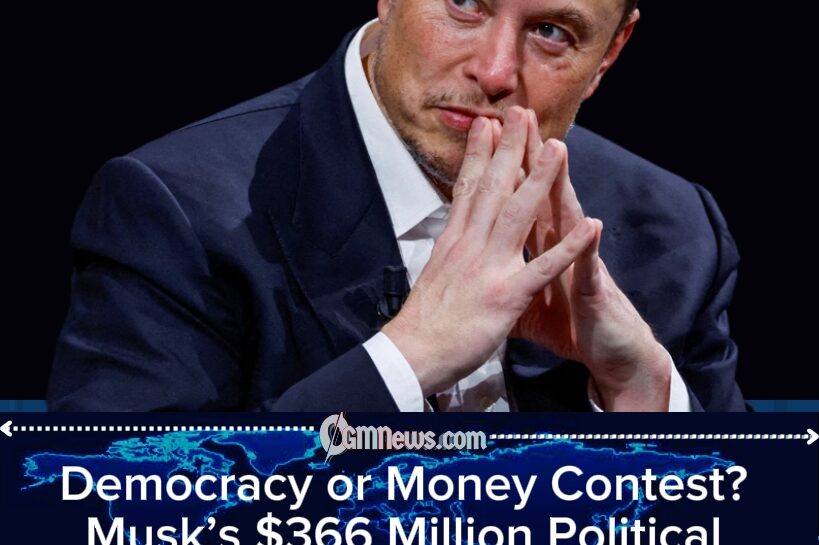





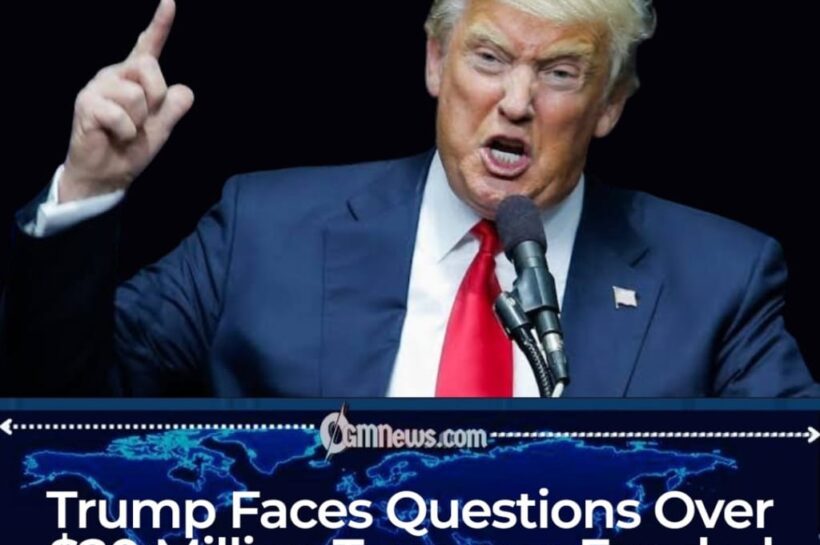


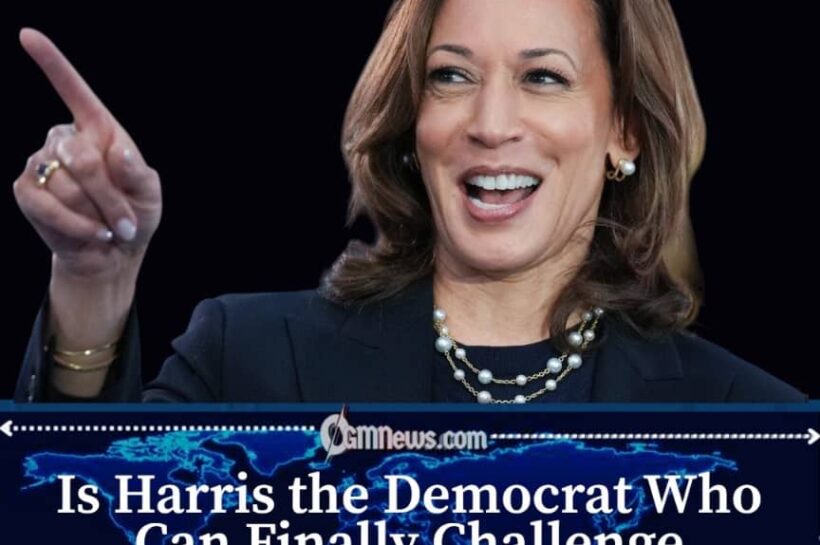









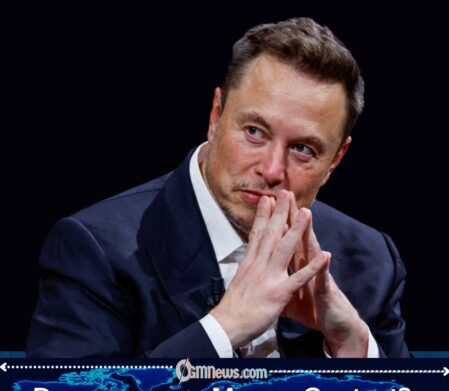
Elon Musk, the world’s richest person, has reportedly spent approximately $366 million on the 2026 US midterm election cycle, including at least $276 million since July to support Republican efforts to retain control of Congress. The spending comes as Democrats see improving opportunities to retake the House of Representatives and Senate, setting up a political contest in which campaign cash could become almost as important as the candidates themselves.
According to the figures provided, Musk’s political spending makes him a leading contender to become the biggest individual political donor in this year’s midterm races. His financial intervention also raises a familiar question in American democracy: how much influence should one billionaire have over the political future of a country where millions of ordinary voters struggle to make their voices heard?
Elon Musk Opens His Wallet as Republicans Face a Costly Battle
The reported breakdown of Musk’s third-quarter political donations reveals the scale of his involvement. Approximately $158 million went to the Senate Leadership Fund, a super PAC aligned with Senate Majority Leader John Thune and dedicated to helping Republicans win Senate seats. Another $20 million went to the Congressional Leadership Fund, which supports Republican candidates for the House of Representatives.
Musk’s America PAC reportedly received $76 million, while $10 million went to the Lone Star Liberty PAC supporting Republican Texas Attorney General Ken Paxton’s Senate campaign. The Republican Governors Association reportedly received another $10 million, with $2 million going to the Republican Attorneys General Association. In total, the listed contributions amount to $276 million, illustrating the enormous financial resources being directed towards Republican political operations.
America PAC is also supporting candidates in seven battleground states and nearly three dozen House races. These are strategically important contests where relatively small changes in voter preferences could determine which party controls Congress. With the latest political environment offering Democrats renewed opportunities, Musk’s financial intervention could help Republicans compete aggressively, although campaign spending alone cannot guarantee electoral victory.
Political Donations, Government Contracts and the Influence Question
The financial commitment carries particular significance because Musk has business interests that intersect with the federal government. As chief executive of SpaceX and a prominent participant in the Trump administration’s Department of Government Efficiency initiative, he has occupied a position connecting private-sector wealth with public-sector decision-making. Democrats in the House have called for investigations into government contracts involving his businesses, making questions about potential conflicts of interest part of the wider political debate.
Critics may argue that such enormous donations risk giving a wealthy individual disproportionate influence over political priorities, while supporters can counter that political contributions are a legitimate form of participation protected by American law. The central issue is not simply whether Musk supports Republicans, but whether the growing concentration of political spending in the hands of a few wealthy donors undermines public confidence in representative democracy.
The reported figures also suggest that Musk’s political involvement extends beyond the latest donations. Approximately $90 million from spending during the current election cycle reportedly covered activities connected to the previous election or other causes, including an unsuccessful Wisconsin Supreme Court candidate and a controversial initiative offering $1 million to registered voters who signed a petition supporting free speech and gun rights. Musk reportedly spent around $290 million during the previous election cycle, when Donald Trump defeated Kamala Harris in the presidential race. Meanwhile, some additional donations have reportedly gone through organisations that do not publicly disclose their donors, making the full picture of political financing more difficult for voters to see.
Musk’s spending is expected to receive further public attention as super PACs disclose their third-quarter financial activity. Those disclosures could provide a clearer picture of where the money went and how Republican campaign organisations are deploying it. For now, the billionaire’s financial commitment has intensified the debate over whether America’s midterm elections will be decided primarily by voters’ priorities, candidates’ records or the financial firepower behind their campaigns.
As the 2026 midterm battle intensifies, Musk’s reported $276 million push for Republican control of Congress places money and political influence firmly in the spotlight. Whether his spending helps Republicans retain power or fuels a backlash among voters remains to be seen. Readers should watch out for further developments and campaign-finance disclosures as the story continues on OGM News.


Playing here has been a total game changer for my weekend routine. The interface runs...