



















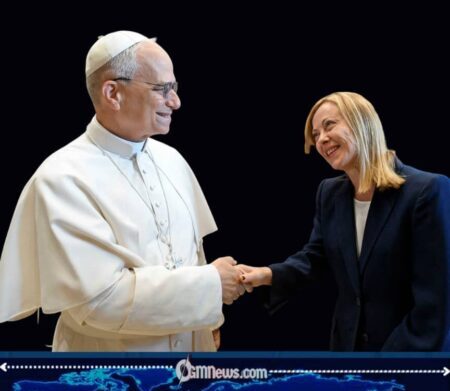
Italian Prime Minister Giorgia Meloni has publicly criticized U.S. President Donald Trump, describing his recent remarks about the pope as “unacceptable.” The statement marks a rare and notable divergence between two leaders often viewed as politically aligned on key issues.
Meloni’s response comes amid growing international attention following President Donald Trump’s criticism of Pope Leo XIV. The episode has sparked debate across political, diplomatic, and religious circles, highlighting sensitivities surrounding leadership, faith, and global conflict.
Trump’s Remarks Spark International Reaction
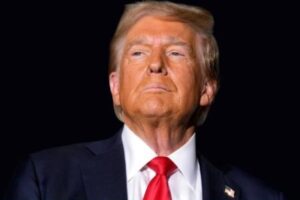
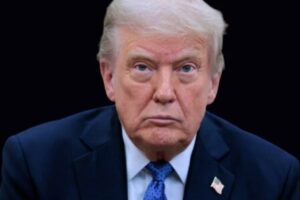
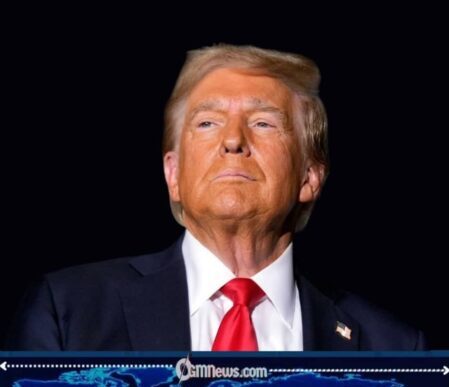
President Donald Trump drew criticism after making strong comments about Pope Leo XIV, describing him as ineffective on key global issues. His remarks were linked to broader disagreements over the pope’s stance on international conflicts, including tensions involving Iran.
The statements quickly gained global attention, prompting reactions from political leaders, religious communities, and analysts. Critics argued that the tone of the remarks risked undermining diplomatic decorum and respect for religious institutions.
Supporters of President Donald Trump, however, framed the comments as part of a broader critique of global leadership, emphasizing differences in policy perspectives rather than personal attacks.
Meloni’s Response: A Rare Public Reproach
Giorgia Meloni’s decision to publicly describe the remarks as “unacceptable” is widely seen as significant, given her generally cooperative relationship with President Donald Trump. Her statement reflects both domestic and international considerations.
Meloni emphasized the importance of maintaining respect for the pope, who holds deep cultural and spiritual significance in Italy. Her response aligns with widespread sentiment within the country, where the Catholic Church remains an influential institution.
By taking a clear stance, Meloni signaled that certain boundaries in political discourse should be upheld, even among allies.
Italy Reacts: Political and Public Support for the Pope
The controversy has generated strong reactions across Italy’s political spectrum. Leaders from various parties have expressed support for Pope Leo XIV, underscoring the importance of protecting the dignity of the papacy.
Public sentiment has also played a role, with many Italians viewing the remarks as inappropriate. The issue has become a focal point of national discussion, reflecting the intersection of politics, religion, and identity.
For Giorgia Meloni, the response highlights the need to balance international relationships with domestic expectations.
The Pope’s Position: Emphasis on Peace and Dialogue
Pope Leo XIV has maintained a consistent focus on peace, dialogue, and humanitarian concerns in his public statements. His approach to global conflicts, including those involving Iran, has emphasized restraint and moral responsibility.
In response to criticism, the pope has avoided direct confrontation, instead reiterating his commitment to promoting peace and understanding. This measured approach has been noted by observers as a defining feature of his leadership.
The contrast between the pope’s tone and the political rhetoric surrounding the issue has further shaped public perceptions of the controversy.
Diplomatic Implications: Strains Within Allied Relations
The exchange between Giorgia Meloni and President Donald Trump highlights potential strains within transatlantic relationships. While both leaders share common ground on several policy areas, the episode demonstrates that differences can emerge on sensitive issues..
Analysts note that Meloni’s response may reflect broader European concerns about political rhetoric and diplomatic norms. The situation also underscores the challenges of maintaining unity among allies in a complex global environment.
Despite the differences both countries are expected to continue cooperation on key issues, reflecting the depth of their strategic partnership.
Balancing Politics, Faith, and International Relations
The controversy illustrates the delicate balance between political expression and respect for religious institutions. Leaders must navigate these dynamics carefully, particularly when their statements resonate beyond national borders.
For Giorgia Meloni, the response represents an effort to uphold domestic values while managing international relationships. For President Donald Trump, the episode highlights the global impact of presidential rhetoric.
The broader implications of the exchange may influence future interactions between political and religious leaders on the world stage.
Giorgia Meloni’s characterization of President Donald Trump’s remarks as “unacceptable” underscores the sensitivity of the issue and its wider diplomatic significance. While the disagreement marks a rare public divergence, it also reflects the complexities of modern international relations.
As global challenges continue to evolve, the ability of leaders to balance political priorities with respect for institutions and allies will remain a defining factor in shaping diplomatic outcomes.
[…] […]