















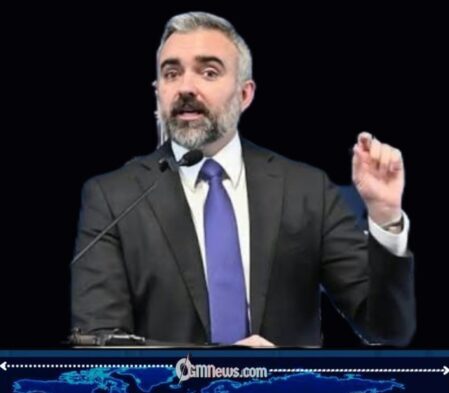
White House Press Secretary Karoline Leavitt has moved to address growing anxiety within the trucking industry over persistently high diesel prices, delivering a direct message aimed at calming tensions. “We hear you. We see you. We are fully tracking the situation,” she said, acknowledging the strain on drivers and logistics operators.
Her remarks come as fuel costs continue to weigh heavily on transportation networks, raising broader economic concerns. Speaking on behalf of the administration of current U.S. President Donald Trump, Leavitt emphasized awareness but stopped short of announcing immediate policy interventions.
Karoline Leavitt’s Message to the Trucking Community
Leavitt’s statement was carefully framed to signal empathy while reinforcing that the federal government is actively monitoring developments. By directly addressing truck drivers, she sought to bridge the communication gap between policymakers and those most affected by rising diesel costs.
Her choice of words—“We hear you. We see you”ll—reflects an effort to validate the concerns of drivers who have increasingly voiced frustration. However, industry stakeholders note that while such acknowledgment is important, it must be followed by decisive action to ease financial pressure.
Economic Strain Linked to Diesel Price Increases
The surge in diesel prices has had a cascading effect across the U.S. economy, particularly within the freight and logistics sectors. Diesel remains the primary fuel for heavy-duty trucks, making it a critical cost factor for transporting goods nationwide.
As fuel expenses climb, companies often pass the added costs down the supply chain. This dynamic has contributed to rising prices for consumer goods, intensifying inflationary pressures and affecting households across the country.
Truck Drivers Demand Tangible Relief
Truck drivers, especially independent operators, have been among the hardest hit by the price increases. With fuel costs accounting for a significant portion of their operational expenses, many are experiencing reduced profit margins and financial uncertainty.
Industry groups have responded by calling for concrete measures, including tax relief on fuel and policies to stabilize energy markets. Some drivers have also advocated for increased domestic production to reduce dependence on volatile global supply conditions.
Administration’s Monitoring and Policy Considerations
According to Leavitt, the administration is actively tracking fuel market trends and engaging with relevant agencies. While no specific policies have been announced, her remarks suggest that internal discussions are ongoing.
Officials point to a combination of global and domestic factors influencing diesel prices, including supply chain disruptions, refining limitations, and fluctuations in crude oil markets. These complexities make policy responses both urgent and challenging.
Energy Strategy Under President Trump’s Second Term
Under the leadership of President Donald Trump, energy policy has continued to emphasize domestic production and reduced regulatory constraints. The administration has positioned these strategies as long-term solutions to stabilizing fuel costs.
Nonetheless, critics argue that immediate relief measures are necessary to support industries currently under strain. The balance between long-term energy goals and short-term economic needs remains a central issue in policy debates.
Focus on Karoline Leavitt’s Assurance, Awaiting Action
Karoline Leavitt has placed herself at the forefront of the administration’s response, offering reassurance to truck drivers navigating the challenges of high diesel prices. Her message underscores recognition of the issue but also highlights the absence of immediate solutions.
As pressure continues to mount, industry stakeholders are looking beyond words to concrete action. The effectiveness of the administration’s response will likely shape both economic outcomes and public confidence in the weeks ahead.

Logging in is a breeze and the site stability is amazing even during peak hours....