









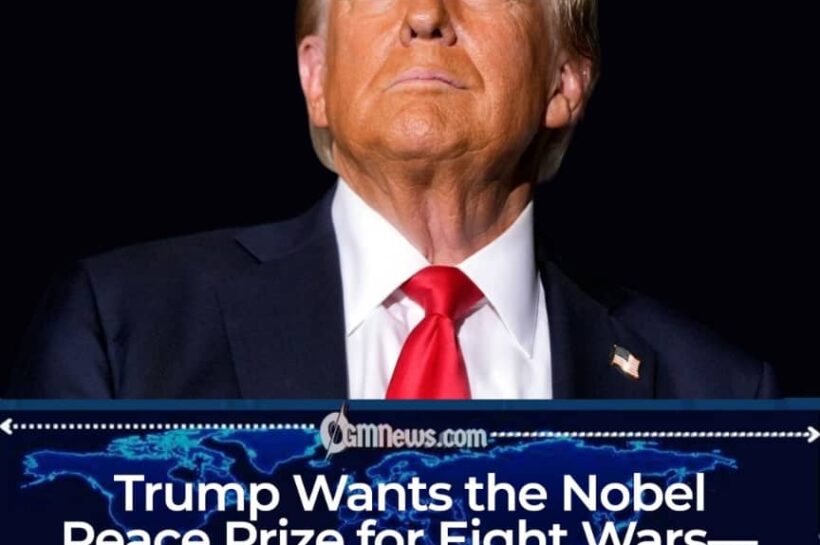
















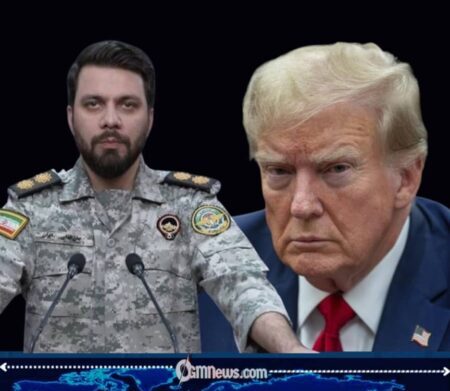
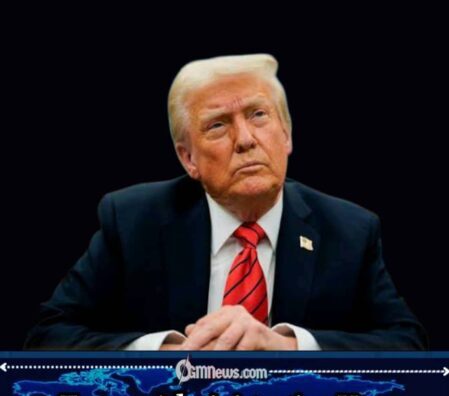
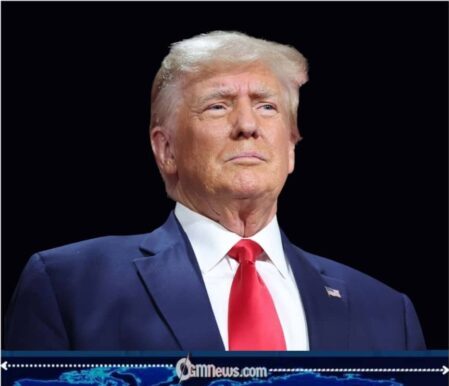
Iran’s Islamic Revolutionary Guard Corps (IRGC) has sharply escalated tensions with the United States by labeling President Donald Trump, currently serving a second term, a “terrorist,” while warning of far-reaching retaliation if Iranian infrastructure is targeted. The statement reflects a deepening war of words that accompanies an already volatile military confrontation across the Middle East.
IRGC officials emphasized that Tehran does not consider itself the initiator of the conflict but made clear that any attack on critical infrastructure particularly power plants would trigger a decisive and sustained response. The warning included threats to target energy, oil, and industrial facilities linked to the United States and its regional allies.
The remarks highlight a dangerous threat in the crisis, where rhetoric, military capability, and strategic signaling are converging with increasing intensity.
IRGC’s Position: Defensive Posture Coupled With Strong Warnings
The IRGC, a central pillar of Iran’s military establishment, framed its position as fundamentally defensive. Officials reiterated that Iran “was not the initiator” of the conflict and does not seek to start one, but stressed that any aggression would be met with what they described as overwhelming retaliation.
This framing aligns with longstanding Iranian doctrine, which emphasizes deterrence through the promise of proportional or, if necessary, escalated response. By presenting itself as reactive rather than aggressive, Tehran seeks to maintain legitimacy both domestically and internationally.
However, the language used in the latest statement marks a notable intensification, particularly in its explicit reference to targeting economic and industrial infrastructure tied to U.S. interests.
Threats to Energy and Industrial Infrastructure
Iran’s warning focused heavily on the vulnerability of energy systems, a critical pillar of both regional and global stability. Officials suggested that if Iranian power facilities were struck, Tehran would respond by targeting oil, gas, and industrial infrastructure belonging to the United States and its allies in the region.
Such threats carry significant implications. The Gulf region hosts a large share of the world’s oil and export routes, including the strategically vital Strait of Hormuz. Any disruption could trigger immediate consequences for global energy markets and supply chains.
Analysts note that these warnings are consistent with previous Iranian signaling, which has often highlighted the asymmetrical risks faced by U.S. allies whose economies rely heavily on stable energy infrastructure.
Military Developments Reinforcing Strategic Messaging
Recent military developments suggest that Iran’s statements are backed by operational readiness. Reports from international media indicate ongoing missile launches, drone, and heightened alert levels across multiple threats in the Middle East.
U.S. military installations in the region have reportedly faced repeated threats, while maritime in key waterways remains under strain. These developments underscore that the confrontation is no longer confined to rhetoric but is being shaped by active military posturing.
The convergence of words and actions has heightened concerns among defense experts, who warn that miscalculation could rapidly escalate into a broader regional conflict.
Historical Context: Longstanding Hostility Between Washington and Tehran
The current escalation is rooted in decades of strained relations between the United States and Iran. Tensions have fluctuated over issues ranging from nuclear development and sanctions to regional influence and military presence.
A significant turning point came when the United States designated the IRGC as a terrorist organization during Donald Trump’s earlier presidency. Iran responded with reciprocal accusations, setting the stage of rhetoric now being seen.
This historical backdrop provides essential context for understanding the current statements, which reflect not only immediate tensions but also deep-seated mistrust.
Global Implications and Diplomatic Outlook
The escalating rhetoric and military activity have significant global implications particularly oil markets, and remain sensitive to any indication of disruption in the Gulf region, with prices sharply to developments.
Diplomatic efforts to de-escalate the situation continue, though progress appears limited. While indirect communication channels may still exist, the sharp growth in positions particularly over responsibility and negotiation terms poses a major obstacle.
As tensions persist, the international community faces mounting pressure to prevent further escalation and to encourage a return to structured dialogue before the crisis deepens further.
[…] […]