

























Iran has intensified its diplomatic posture amid rising tensions with the United States, signaling that any potential negotiations would require conditions set on its own terms. Reports from multiple international outlets suggest that Tehran has shown a preference for engaging with U.S. Vice President JD Vance, while simultaneously rejecting what it describes as coercive pressure from President Donald Trump, currently serves his second term.
The development highlights a widening gap between public statements from Washington and Tehran, as both sides present conflicting narratives about the existence and structure of any potential negotiations.
Iran’s Position: Firm Rejection of External Pressure
Iran has consistently rejected attempts by the United States to impose deadlines or dictate the framework for negotiations. Iranian officials have emphasized that any diplomatic engagement must be conducted on equal footing, without threats or ultimatums.
According to international reporting, Tehran views U.S. pressure whether military or economic as incompatible with genuine diplomacy. This stance reflects longstanding policy within Iran, where negotiations under coercion are often framed as a violation of national sovereignty.
As a result, Iranian leaders have sought to reassert control over the terms of engagement, reinforcing their position amid ongoing geopolitical tensions.
Preference for JD Vance: A Signal of Strategic Trust
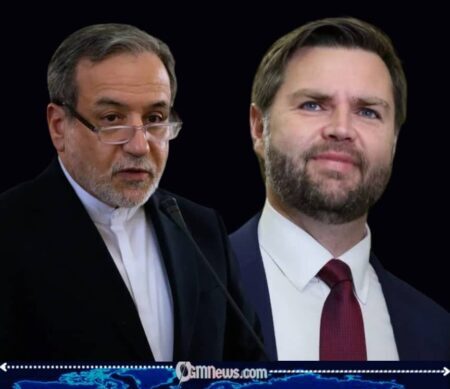
Reports indicate that Iran has expressed a preference for engaging with Vice President JD Vance in any future discussions. Analysts suggest that this reflects a perceived trust gap with other U.S. figures involved in past negotiations.
While not officially confirmed as a strict condition, this preference is widely interpreted as a strategic signal. By favoring a specific interlocutor, Iran may be attempting to shape the tone and structure of any future diplomatic process.
However, U.S. officials maintain that the composition of negotiating teams ultimately rests with President Donald Trump, underscoring that such preferences do not equate to formal control over negotiations.
Contradictory Claims: Washington vs Tehran
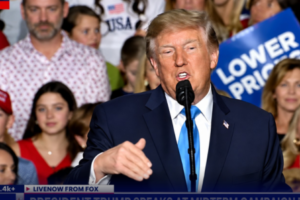
A defining feature of the current situation is the stark contrast between U.S. and Iranian public statements. President Donald Trump has repeatedly suggested that progress is being made and that Iran is open to reaching an agreement.
In contrast, Iran has denied that any direct negotiations are taking place. Officials have dismissed U.S. claims as inaccurate or misleading, further deepening uncertainty about the true state of diplomatic engagement.
This divergence has contributed to confusion in global markets and diplomatic circles, where observers struggle to reconcile the competing narratives.
Indirect Diplomacy and Regional Mediation Efforts
Despite public denials, there are indications that indirect communication channels may still be active. Countries such as Turkey, Egypt, and Pakistan have reportedly played roles in facilitating backchannel exchanges between Washington and Tehran.
Such indirect diplomacy is not uncommon in high-tension scenarios, allowing both sides to explore potential compromises without formal commitments. For Iran, this approach provides a way to maintain its public stance while still engaging in strategic dialogue.
However, the lack of transparency surrounding these efforts makes it difficult to assess their effectiveness or likelihood of leading to formal negotiations.
Wider Context: Conflict, Strategy, and Global Implications
The diplomatic friction is unfolding against the backdrop of a broader regional conflict involving the United States, Iran, and key allies. Military tensions, economic sanctions, and strategic threats have all contributed to an increasingly volatile environment.
President Donald Trump has pursued a dual strategy combining pressure with openness to negotiation, while Iran has responded by strengthening its bargaining position and rejecting unilateral demands.
The outcome of this standoff carries significant implications for global energy markets, regional stability, and international diplomacy, particularly as both sides continue to assert competing visions of how negotiations should proceed.
A Diplomatic Standoff Defined by Mistrust
The evolving situation between Iran and the United States underscores the complexities of modern diplomacy, where public messaging, strategic signaling, and geopolitical realities intersect.
While reports of preferences and positions continue to emerge, the absence of confirmed direct negotiations highlights the depth of mistrust between the two sides.
As President Donald Trump maintains his stance and Iran continues to assert its conditions, the path toward meaningful dialogue remains uncertain, leaving the international community closely watching for any signs of de-escalation.
Ae888covenuscasino, okay, I'm curious. Gonna check out this site and try to find some amazing...