




























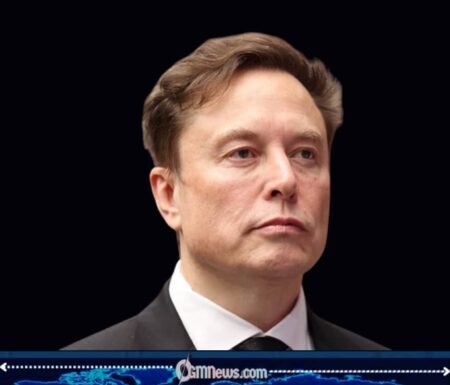
Elon Musk has ignited a wide-ranging debate after asserting that a nation’s survival depends on a shared culture, arguing that citizens are more willing to defend a unified identity than a purely economic or multicultural system. His remarks, which praised what he described as the English-Scottish-Irish roots of American culture, have drawn both support from cultural conservatives and criticism from diversity advocates.
The comments, amplified through social media and international news coverage, have reopened longstanding questions about national identity in pluralistic societies. Supporters interpret Musk’s stance as a call for social cohesion, while critics warn that emphasizing a dominant cultural lineage risks marginalizing diverse communities that shape modern democracies.
The Argument for Cultural Unity: Cohesion, Identity, and Shared Purpose
Musk’s central claim that people are more likely to defend a nation grounded in shared culture echoes arguments in political philosophy about social cohesion and collective identity. Proponents of this view contend that common traditions, language, and historical narratives foster solidarity and resilience during crises.
Supporters note that many nations cultivate shared symbols and myths to reinforce unity, particularly during wartime or national emergencies. They argue that a cohesive cultural framework can strengthen civic responsibility and encourage citizens to prioritize collective welfare over individual interests.
Some commentators have framed Musk’s remarks as a defense of historical continuity, suggesting that acknowledging cultural roots does not negate diversity but provides a foundation for national identity.
Historical Context: Anglo-Celtic Influences and America’s Evolving Identity
Musk’s reference to English, Scottish, and Irish influences reflects well-documented historical contributions to U.S. legal systems, language, and political traditions. Scholars widely recognize that Anglo-American common law, parliamentary practices, and civic institutions shaped early American governance.
However, historians emphasize that the United States has continuously evolved through waves of immigration and cultural exchange. African, Indigenous, Latin American, and Asian influences have profoundly shaped the nation’s music, cuisine, language, and civic life, creating a dynamic and pluralistic identity.
This historical complexity underscores the tension between recognizing foundational influences and acknowledging the diverse realities of modern American society.
Criticism and Concerns: Diversity, Inclusion, and Civic Nationalism
Civil-rights advocates and sociologists argue that defining national survival around a dominant culture risks excluding minority communities and undermining civic nationalism the principle that shared values, rather than ethnicity or heritage, define belonging.
Critics warn that rhetoric emphasizing cultural homogeneity can be interpreted as dismissive of multicultural contributions. They stress that democratic societies thrive by integrating diverse populations and fostering inclusive identities that reflect contemporary realities.
Some experts also caution that narratives linking demographic change to national decline have historically fueled social division. They urge public figures to frame discussions of identity in ways that promote unity without marginalization.
Political and Social Reactions: A Polarized Response
Reactions to Musk’s remarks have mirrored broader ideological divides. Cultural conservatives and nationalist commentators have praised his emphasis on shared heritage, arguing that national cohesion requires common cultural reference points.
Conversely, diversity advocates, academics, and civil-rights groups have criticized the comments as reductive and potentially exclusionary. They argue that the strength of modern democracies lies in their ability to accommodate multiple identities within a shared civic framework.
The debate has played out across media platforms, reflecting how influential public figures can shape discourse on identity, belonging, and the future of multicultural societies.
The Broader Implications: Identity Debates in a Globalized Era
Musk’s remarks arrive amid global debates over immigration, demographic change, and national identity. Countries across Europe and North America are grappling with how to balance integration, diversity, and social cohesion in increasingly multicultural societies.
Political analysts note that such debates often intensify during periods of economic uncertainty and geopolitical tension, when questions of belonging and national purpose become more pronounced. The discussion sparked by Musk highlights the challenges democracies face in reconciling historical narratives with evolving social realities.
Ultimately, the controversy underscores a central question of the 21st century: how nations can maintain unity while embracing diversity in an interconnected world.
Ae888covenuscasino, okay, I'm curious. Gonna check out this site and try to find some amazing...