



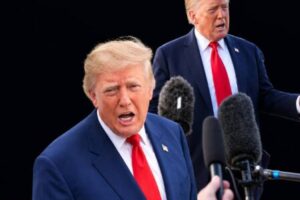





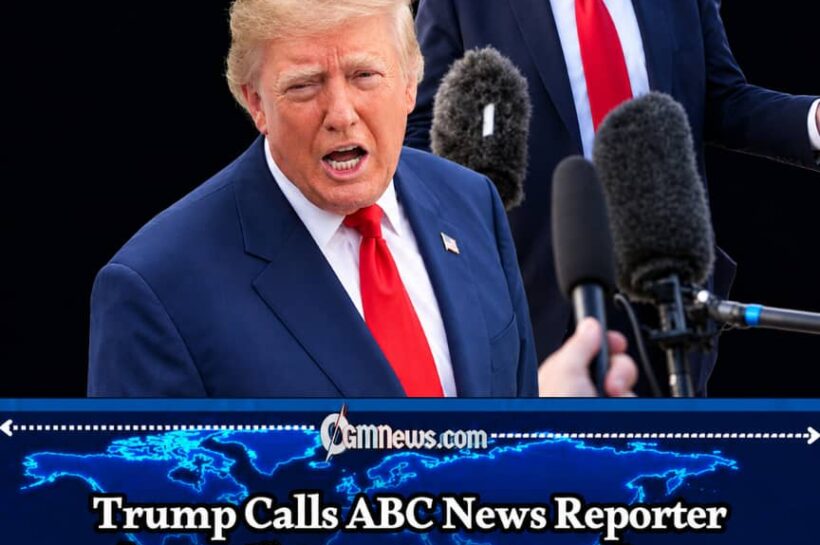

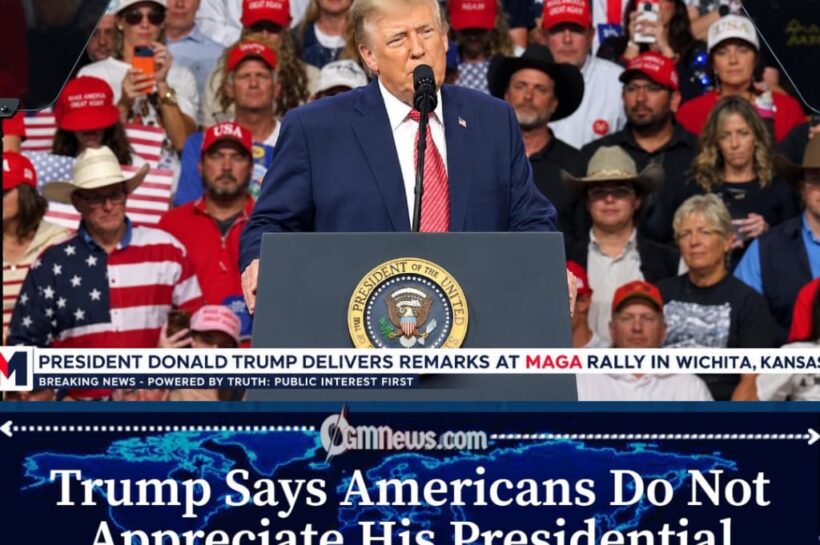




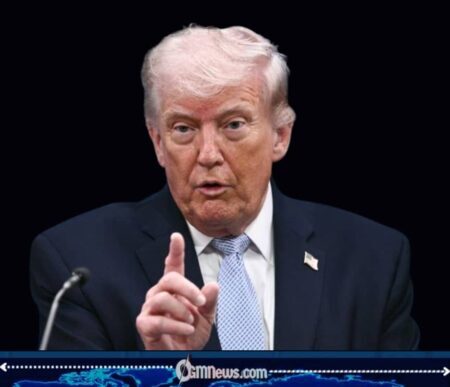
U.S. President Donald Trump, currently serving his second term, has drawn global attention after signaling the possibility of a naval blockade of the Strait of Hormuz following the reported collapse of diplomatic talks with Iran. President Donald Trump’s remarks, coupled with recent public messaging, have intensified speculation about a potential escalation in one of the world’s most strategically sensitive regions.
President Donald Trump’s position reflects a broader effort to increase pressure on Iran while maintaining strategic flexibility. Although no formal announcement of a blockade has been made, analysts note that Donald Trump’s language appears designed to send a strong signal without immediately committing to direct action.
Trump Emphasizes Strength Through Strategic Military Positioning
President Donald Trump has consistently emphasized military strength as a cornerstone of U.S. foreign policy. In the current situation, Donald Trump’s approach combines assertive rhetoric with visible military readiness, reinforcing the perception that the United States is prepared to act if necessary.
By highlighting the presence of key naval assets and maintaining a firm tone, President Donald Trump is signaling deterrence while leaving room for diplomatic maneuvering. Experts suggest that this dual approach allows the administration to influence developments without triggering immediate escalation.
U.S. Naval Deployment Reflects Readiness, Not Confirmation
The deployment of advanced U.S. naval forces, including the USS Gerald R. Ford and the USS Abraham Lincoln, has reinforced perceptions of heightened readiness in the Persian Gulf. These carrier strike groups are capable of rapid response and sustained operations, making them central to U.S. military strategy in the region.
Defense analysts emphasize that such deployments are standard during periods of heightened tension. While they demonstrate capability and preparedness, they do not confirm that a blockade or direct military confrontation has been authorized.
Understanding the Stakes of a Hormuz Blockade
A naval blockade of the Strait of Hormuz would represent a significant escalation with far-reaching implications. The waterway is a critical artery for global energy supplies, and any disruption could have immediate economic consequences worldwide.
Experts note that while the United States has the capability to control maritime traffic in the strait, such an action would likely be interpreted as an act of war. This could lead to broader regional instability and increase the risk of direct confrontation between major powers.
Strait of Hormuz Remains Open Amid Rising Tensions
Despite growing concerns, there is no verified confirmation that the Strait of Hormuz has been closed or placed under blockade. Shipping activity continues, although under increased security measures and heightened vigilance.
Reports from reputable sources indicate that while tensions are elevated, the situation remains fluid. The distinction between potential action and confirmed policy is critical, as current developments reflect uncertainty rather than a definitive escalation.
Global Reactions and Strategic Calculations
The possibility of further escalation has prompted responses from governments and analysts around the world. Allies and adversaries alike are assessing the potential consequences of any U.S. action in the region, particularly given the importance of the Strait of Hormuz to global trade.
President Donald Trump’s strategy appears to balance deterrence with caution. While maintaining pressure on Iran, Donald Trump must also consider the broader implications of any military move, including its impact on international alliances and economic stability.
Balancing Pressure and Diplomacy
As tensions continue to rise, the role of diplomacy remains crucial. While military readiness provides leverage, diplomatic engagement offers a pathway to de-escalation and conflict resolution.
President Donald Trump faces the challenge of navigating these competing priorities. The effectiveness of this approach will depend on how well the administration manages both the risks and opportunities presented by the current situation.
President Donald Trump’s signal regarding a potential blockade of the Strait of Hormuz has added a new layer of complexity to an already tense geopolitical environment. While no formal action has been confirmed, the combination of strategic messaging and military presence underscores the seriousness of the moment.
As events unfold, the international community will continue to monitor whether these signals translate into concrete action or remain part of a broader strategy aimed at deterrence and negotiation.

The weekly tournaments here keep me coming back because the prize pools are surprisingly generous....